1860: Thomas Airey Hanged at Perth Gaol Just Months After Winning His Freedom

Thomas Airey had spent most of his adult life behind bars in England before he was transported to Western Australia aboard the Nile, arriving at Fremantle in December 1857 to serve a 15 year sentence for burglary. In June 1860 he was granted a ticket of leave, a conditional release that let convicts who had shown good behaviour work and live within a set district without constant supervision, a step short of full freedom but a clear sign the colony had judged him trustworthy.

That trust lasted barely four months. By October 1860 Airey stood before the Supreme Court in Perth convicted of a serious assault and sentenced to death. He was hanged at Perth Gaol on 13 October 1860, aged 29, and buried the following day at East Perth Cemetery.
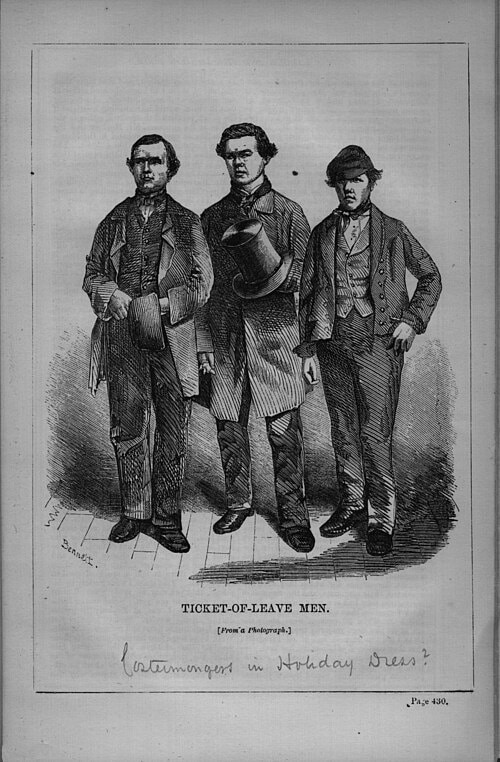

Ticket of leave men historical photograph

⬅ See all events from 13 October

Spread the word on your favourite platform!

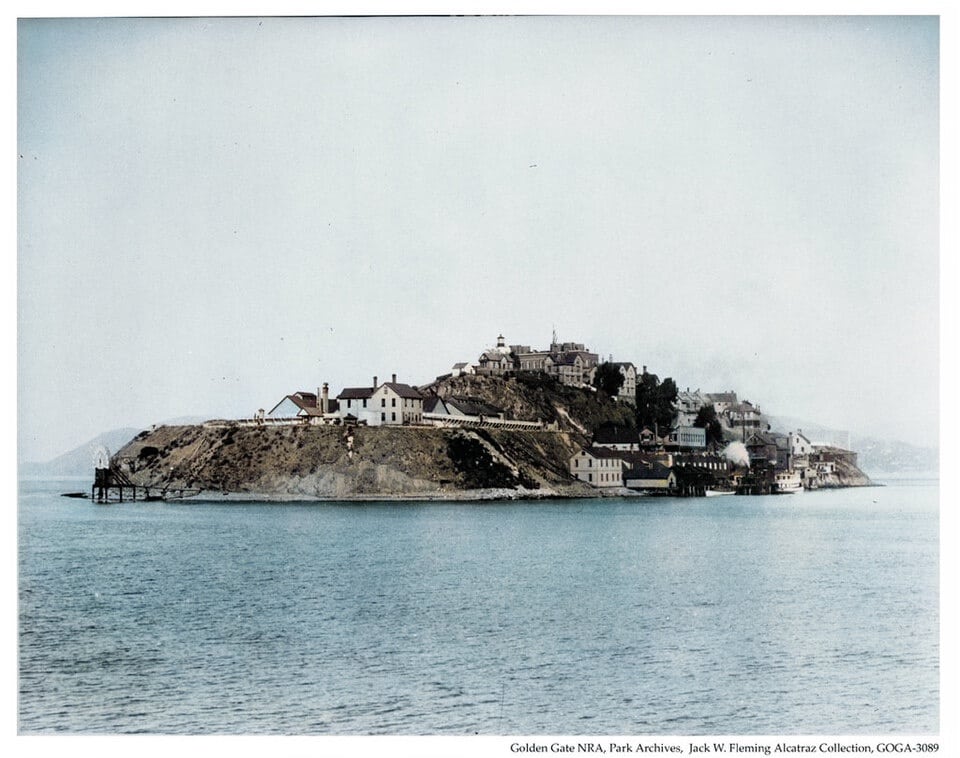
1933: The Rock Becomes a Fortress: the U.S. Government Claims Alcatraz Island

The U.S. Department of Justice announced the acquisition of the military facility on Alcatraz Island on this day in 1933, marking the start of its transformation into a federal maximum-security penitentiary. It would be nearly a year before the island was formally designated a federal prison and the first inmates arrived.

Alcatraz was built for one purpose: to hold prisoners who had proven too disruptive, too dangerous, or too likely to escape from every other federal institution. Surrounded by cold currents and strict discipline, it would soon house names like Al Capone and Robert Stroud, cementing its reputation as America’s most feared prison.

Coloried view of Alcatraz Island circa 1902-1905 (unknown author)

⬅ See all events from 12 October

Spread the word on your favourite platform!

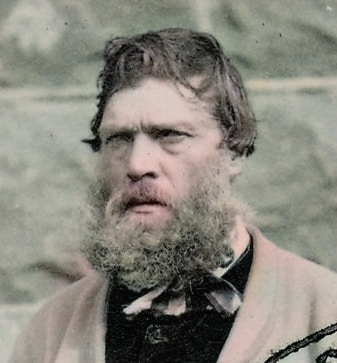
1891: The Bushranger Who Taught Ned Kelly His Trade Drowned in the Murray River

Harry Power was already a seasoned escaper and highway robber when, in 1869, he took on a teenage recruit: Ned Kelly, son of a sympathetic Irish family who sheltered him in the Ovens district. For a few months the pair stuck up coaches and squatters together, Power later boasting of hundreds of robberies, until Kelly broke away and Power carried on alone, eventually suspecting his young protege of helping police track him down.

Captured in 1870 after being betrayed by a relative of the Kelly family, Power served another fifteen years at Pentridge before his release in 1885. He spent his last years as a guide aboard the old prison hulk Success, now a museum ship, before drowning in the Murray River near Swan Hill in October 1891, his body found days later at Tyntynder. One newspaper suggested suicide, but the drowning of a man who had survived two prison escapes and a life of robbery without ever killing anyone was most likely a simple accident.

Bushranger Harry Power 1870s

⬅ See all events from 11 October

Spread the word on your favourite platform!

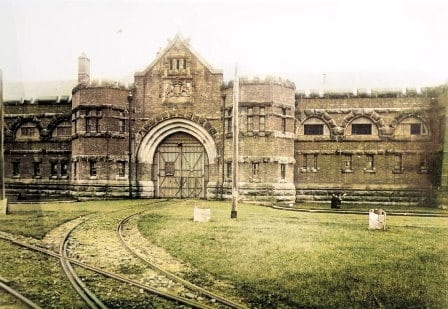
1959: Through a Chapel Ventilator: the Sydney Jailbreak That Triggered Australia’s Biggest Manhunt

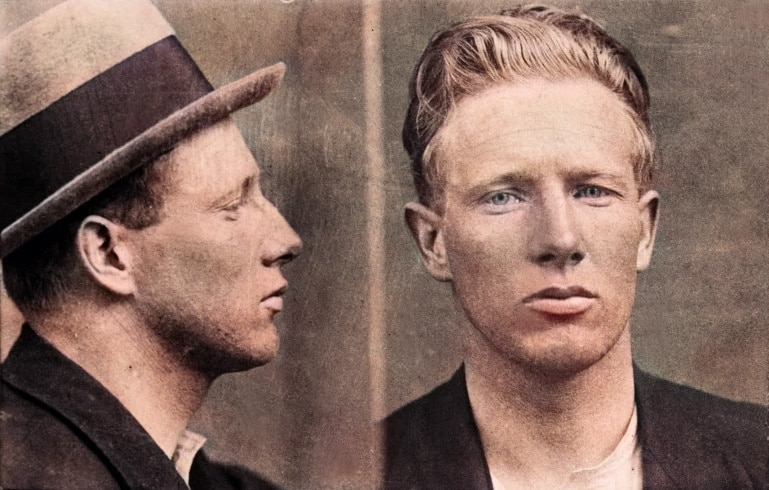
Kevin Simmonds and fellow inmate Leslie Newcombe escaped Sydney‘s Long Bay jail on 9 October 1959 by squeezing through a ventilator in an old chapel while prisoners watched a film. The next day they killed prison guard Cecil Mills at Emu Plains Prison Farm and fled with his gun, triggering what became the biggest manhunt in Australian history.

Newcombe was caught within a fortnight, but Simmonds evaded hundreds of armed police, tracker dogs and a helicopter for more than five weeks, tying up two rangers and stealing their truck along the way. Detective Sergeant Ray Kelly, nicknamed ‘Gunner’ for his record of shooting suspects, finally ran him down near Mulbring on 15 November, by which point crowds were cheering him at police stations as a folk hero.

A jury convicted both men of manslaughter rather than murder, and Simmonds was sent to the ‘intractables’ wing of Grafton gaol. Six years of brutal treatment there left him a vacant, self-harming shell of the man who had outrun the state; he was found hanged in his cell in 1966.

Long Bay Gaol Entrance (circa 1900)

⬅ See all events from 9 October

Spread the word on your favourite platform!
On This Day in True Crime History

Subscribe to Dark Stories

True crime stories, dark history and tour news, straight to your inbox.