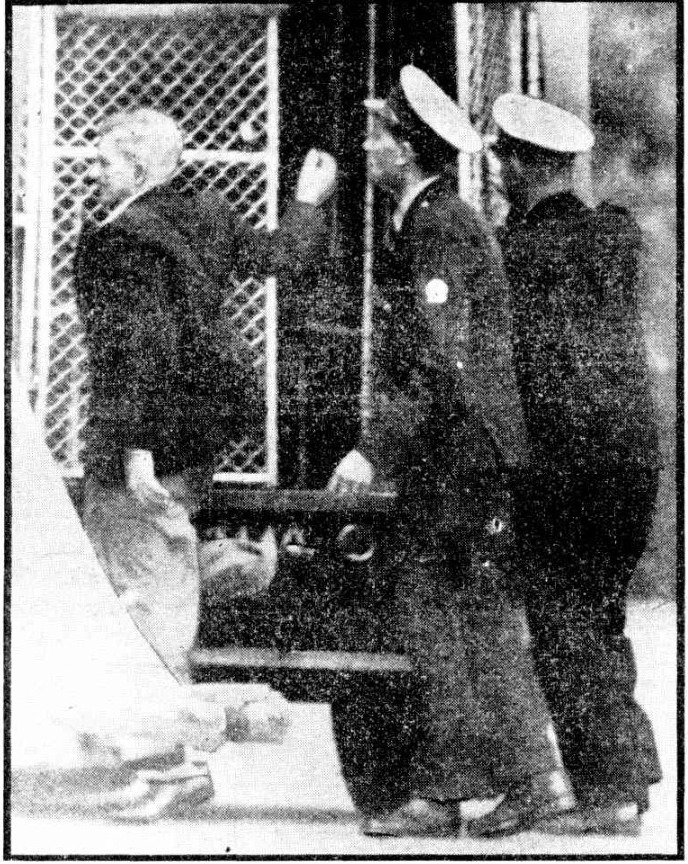
1870: Andrew Vair Hanged at Ararat for the Ambush Murder of Amos Cheale

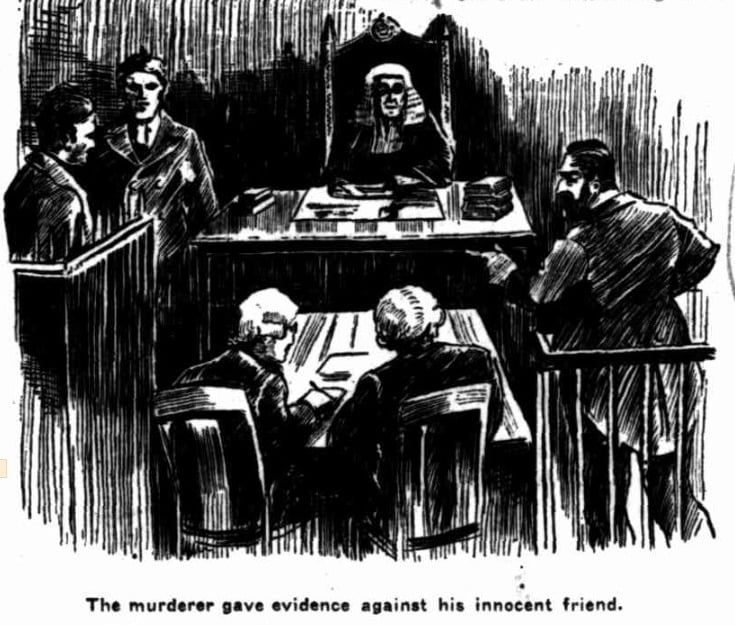
Amos Cheale, a mining manager formerly of Maldon and later overseeing the Silver Mines Company at St Arnaud, was ambushed and shot in the scrub near the mine in broad daylight. His killer, Andrew Vair (also reported as Vere), a Scottish miner aged around 34, had harboured a grudge rooted in a dispute over mining shares at the Friburg reef, which Vair himself had discovered. He stepped out of the scrub, levelled a double-barrelled pistol at Cheale, and fired both barrels at close range. Cheale died shortly after.

Vair fled into the scrub and was hunted across the colony before his arrest. He was tried, convicted, and hanged at Ararat. Before his execution, he wrote a final letter to his mother and a poem:-

Not in my innocence I trust, I bow before Thee in the dust, And through my Saviour’s blood alone, I look for mercy at Thy throne. What is life? ’tis all a vapor, Soon it vanishes away; Life is like a dying taper – Oh, my soul, why wish to stay? Why not spread thy wings and fly Straight to yonder world of joy? I come, I come, at Thy command, I give my spirit to Thy hand. Stretch forth Thine everlasting arms, And shield me in the last alarms. The hour of my departure’s come – I hear the voice that calls me home. Now, O my God, let trouble cease. Now let Thy servant die in peace.
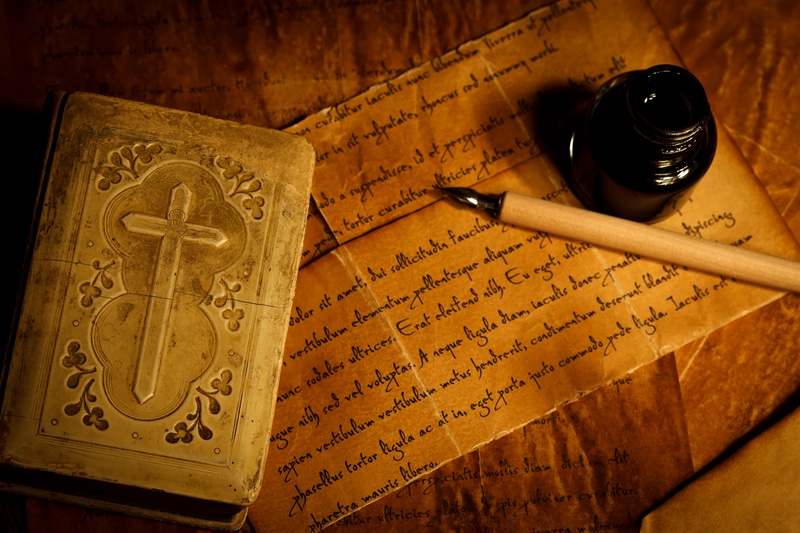

Old prayer book with ink pen and letter on desk

⬅ See all events from 15 August

Spread the word on your favourite platform!

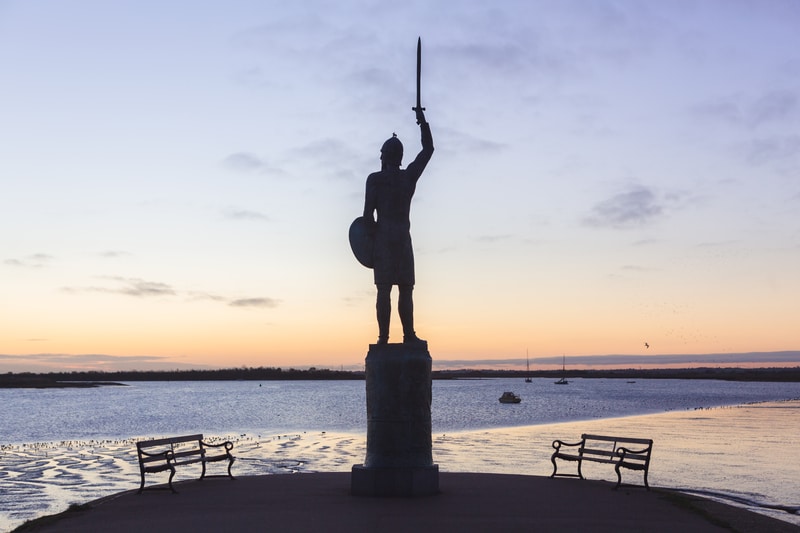
991: Ealdorman Byrhtnoth Killed as Vikings Crush the Saxons at Maldon

On 11 August 991, a Viking force under Norwegian king Olaf Tryggvason met the Anglo-Saxon fyrd of Essex at Maldon, on the Essex coast. Ealdorman Byrhtnoth, around sixty years old and said to stand nearly seven feet tall with swan-white hair, commanded the Saxon defence. In a fateful act of chivalric pride, he permitted the Vikings to cross a tidal causeway to fight on open ground. The decision proved catastrophic: Byrhtnoth fell in the battle, reportedly taking three men to kill, one of them nearly severing his arm.

The defeat became one of the defining disasters of late Anglo-Saxon England, accelerating the payment of Danegeld to Viking raiders. Byrhtnoth was buried at Ely Abbey, a monastery he had richly endowed with villages and lands. His widow presented the abbey with an embroidered tapestry commemorating his deeds. The battle inspired a celebrated Old English poem, and when his remains were examined in 1781, his skeleton confirmed the legendary stature: 6 feet 9 inches in height.

The Statue of Byrhtnoth at the end of Maldon Promenade in Essex, England | ID 211153857 © Jonathanritchie1990 | Dreamstime.com
ID 211153857 © Jonathanritchie1990 | Dreamstime.com

⬅ See all events from 11 August

Spread the word on your favourite platform!
On This Day in True Crime History

Subscribe to Dark Stories

True crime stories, dark history and tour news, straight to your inbox.