1863: The Escape-Proof Prison That Wasn’t: Captain Thunderbolt Breaks Out of Cockatoo Island

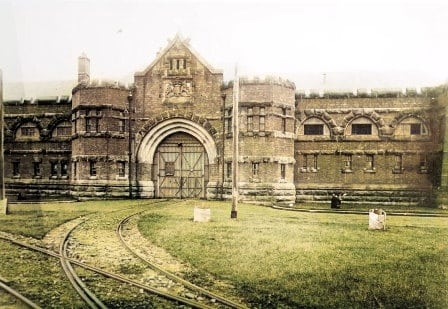
Frederick Wordsworth Ward, the bushranger known as Captain Thunderbolt, was serving time on Sydney‘s Cockatoo Island, a prison ringed by harbour currents and sheer sandstone cliffs and widely declared impossible to escape. On the night of 11 September 1863, Ward slipped his cell and plunged into the water, swimming through the cold, shark infested harbour to the mainland shore.

The breakout humiliated colonial authorities and turned Ward into a folk figure almost overnight. He spent the next seven years roaming the bush of northern New South Wales, robbing coaches, inns and travellers as one of the colony’s most enduring and elusive bushrangers before he was finally shot dead by police near Uralla in 1870.
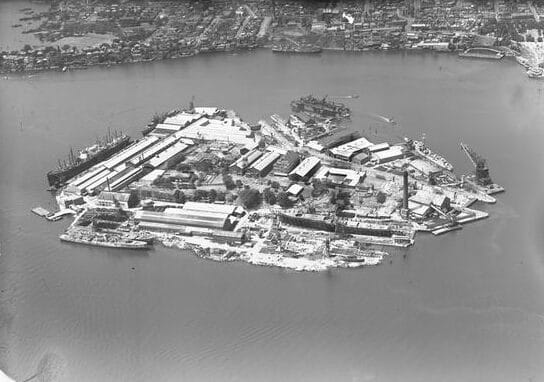

Cockatoo Island, Sydney, 1951. Photograph by Frank Hurley. National Library of Australia, PIC FH/7951. Out of copyright.

⬅ See all events from 11 September

Spread the word on your favourite platform!

1825: Convicted of Sheep Stealing on Saturday: Hanged for Murder by Wednesday

John Godliman had already lived one hard sentence before he faced the gallows. Transported to Van Dieman’s Land for life from Middlesex in 1821 aboard the Malabar, he was assigned to a road gang before absconding on 2 January 1825 with a reward of five pounds on his head. He turned to bushranging, one of a loose band of runaways working the island’s interior.

His final days moved with startling speed. Godliman was convicted of sheep stealing on a Saturday and, only two days later on the Monday, convicted again, this time for the murder of a man named Samuel Hart. By Wednesday morning he was dead, hanged at the usual place of execution within Hobart Gaol.

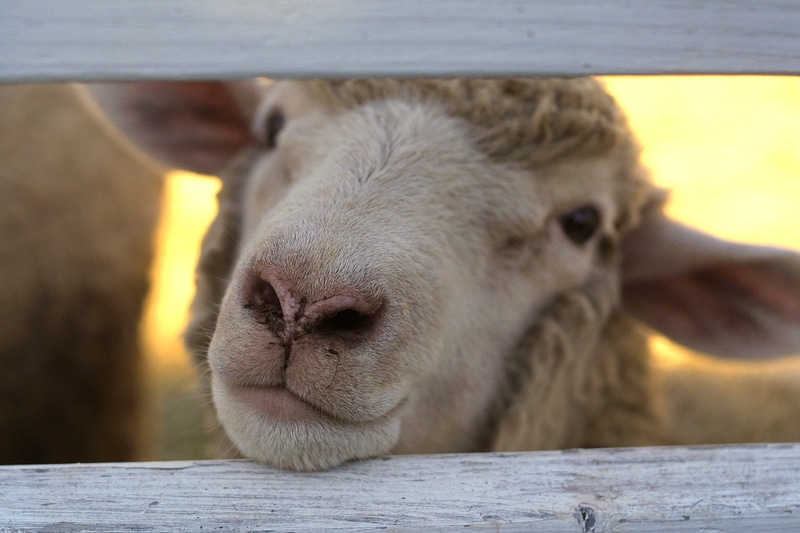
Friendly sheep looking through a fence

⬅ See all events from 7 September

Spread the word on your favourite platform!

1830: Bushranger Jack Donahue Shot Dead at Bringelly After Five Years as an Outlaw

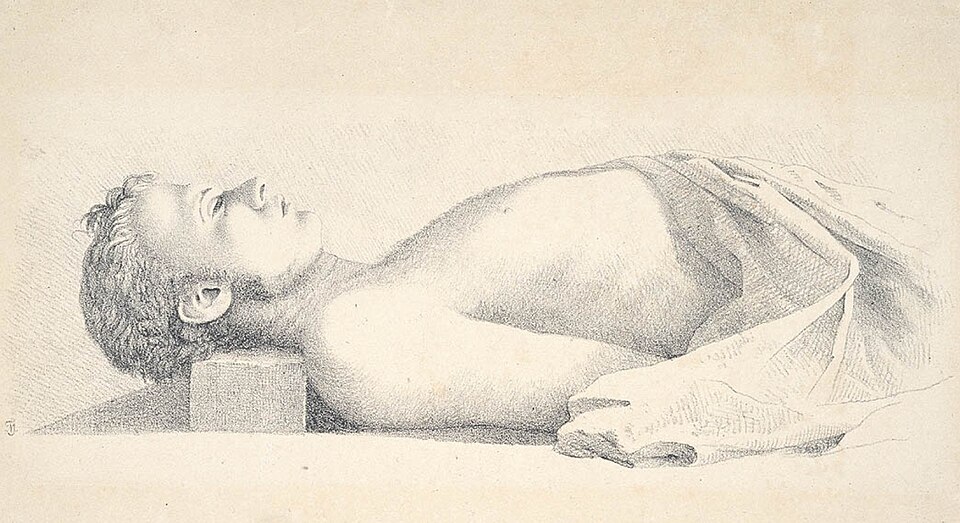
On 1 September 1830, the notorious Irish-born bushranger Jack Donahue, known as one of the Wild Colonial Boys, was shot dead during a confrontation between his gang and mounted police near Bringelly, New South Wales. A party of eight closed to within a hundred yards of Donahue and friends undetected. When the bushrangers spotted them, Donahue pulled off his hat and defied the officers: ‘Come on, you cowardly rascals, we are ready, if there’s a dozen of you.’ After a standoff of nearly half an hour, shots were exchanged. A carbine ball and pistol ball fired by a mounted trooper struck Donahue in the left temple and neck, killing him instantly.

An inquest was held the following day at the Fox and Hounds Bar in Sydney, with his death being ruled justifiable homicide.

Donahue had been one of the most wanted men in the colony for five years as the figurehead of the Wild Colonial Boys. His death ended one of the most romanticised outlaw careers in early Australian history.

Drawing of the body of bushranger Jack Donahoe, c.1830. Attributed to Thomas Mitchell. Lithograph. Mitchell Library, State Library of New South Wales. Public domain.

⬅ See all events from 1 September

Spread the word on your favourite platform!

1825: Three Men Hanged at Hobart for Bushranging and Robbery

On an evening in July 1825, a gang of armed bushrangers descended on the home of Samuel Haywood in the Macquarie district of Van Diemen’s Land. One of the men posed as a letter carrier, tricking Mrs Haywood into opening the door before the others rushed inside. When Haywood moved for his gun, a pistol was fired at him during the confrontation.

The gang ransacked the house and escaped with an immense quantity of property, including clothing. They were later traced to a house near the Hobart Penitentiary, where their brazenness helped betray them: several were still wearing clothes stolen from Haywood and were immediately recognised by their victim.

At the Supreme Court, John Everist, Joseph Broadhead, Charles Bradbury and William Buckley were tried for the robbery. The Attorney-General remarked that almost every crime short of murder had been committed during the raid.

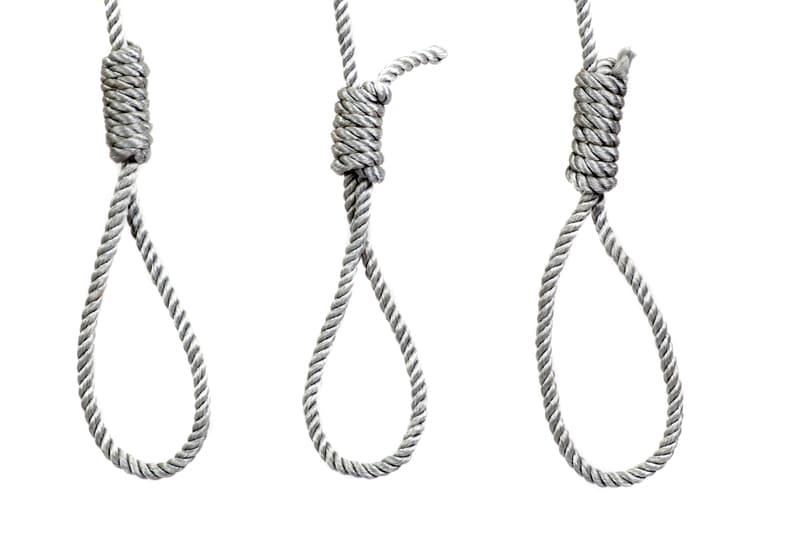
Everist, Broadhead and Buckley were convicted and hanged at Hobart on 31 August 1825.

Three hanging noose ropes isolated on a white background

⬅ See all events from 31 August

Spread the word on your favourite platform!
On This Day in True Crime History
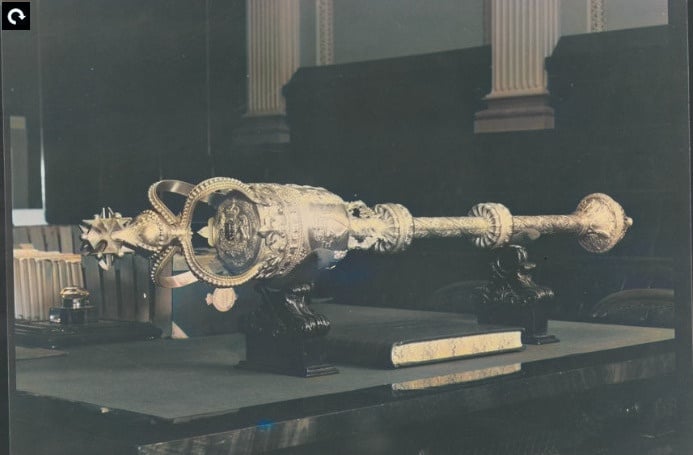
1891·The Mace, the Madam, and a Melbourne Scandal That Never Died
1959·Through a Chapel Ventilator: the Sydney Jailbreak That Triggered Australia's Biggest Manhunt
More Crime On This Day →

Subscribe to Dark Stories

True crime stories, dark history and tour news, straight to your inbox.