1919: The Fitzroy Vendetta Erupts: Shots Fired into a Sly-Grog Shop, Squizzy Taylor Acquitted

On the night of 5 August 1919, shots were fired into a sly-grog shop at 31 Fleet Street, Fitzroy, wounding three people: Minnie Clarke, Dick Paget, and James Darcy. All three were treated at St Vincent’s Hospital and all three refused to speak to police. The attack was part of the bloody Fitzroy Vendetta, a running war between Richmond and Fitzroy underworld factions that had left a trail of shootings across Melbourne.

Police observed Leslie “Squizzy” Taylor and two other men leave the area by motor-car in the early hours and arrested him the following day in Bourke Street. At the Fitzroy Court, witnesses including a horse trainer, a miner, and a bookmaker’s clerk all placed Taylor inside a nearby house at the time of the shooting. The bench acquitted him. It was a result that would define his career: ten prior convictions, a reputation as a sneak thief and companion of thieves, and a courtroom that could never quite catch him.
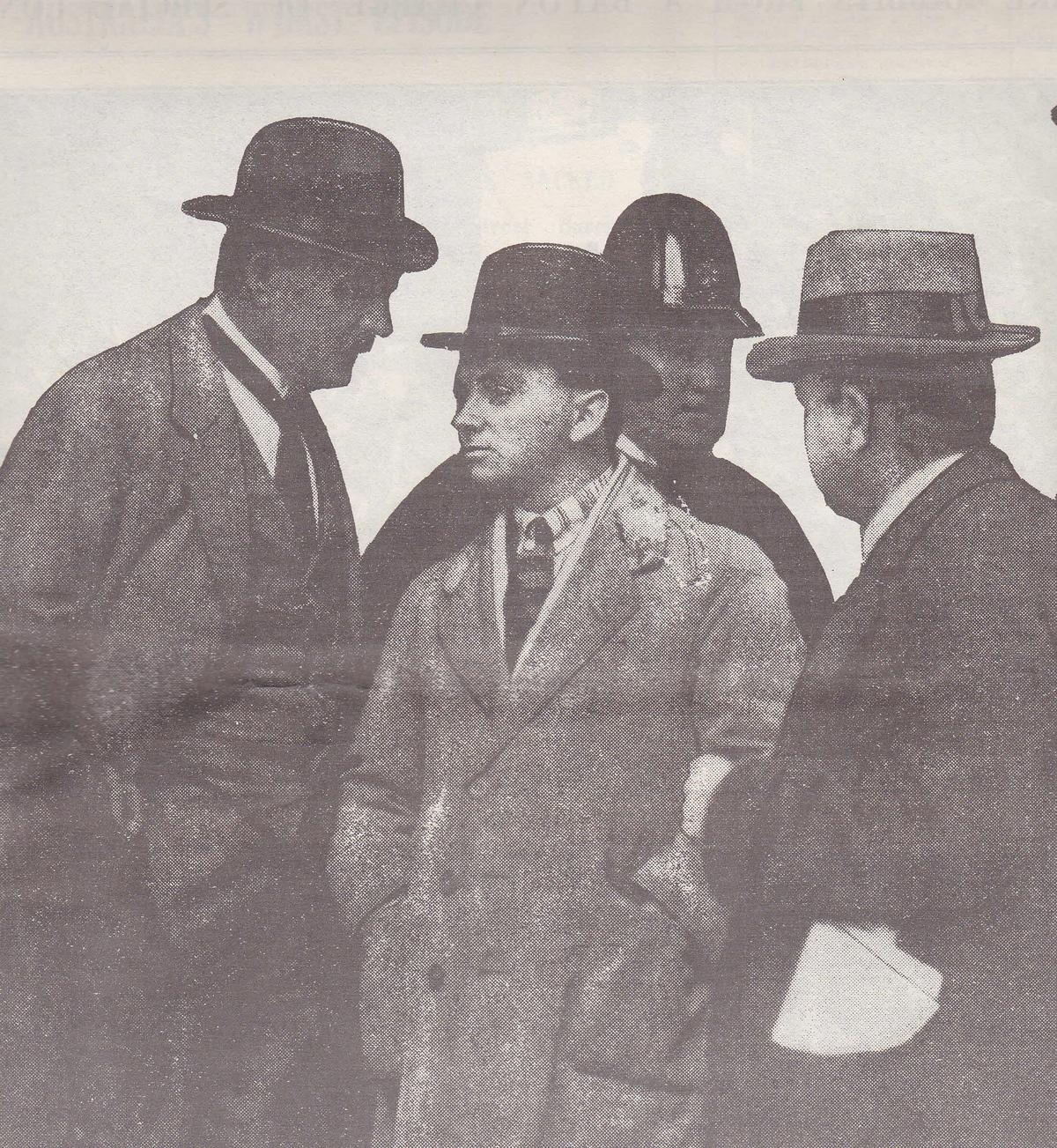

Squizzy Taylor surrendering to police, September 1922. Image: The Sun, Melbourne, 22 September 1922. Public domain in Australia.

⬅ See all events from 5 August

Spread the word on your favourite platform!
True Crime Scene Tape

1944: The Cowra Breakout: Bloodiest Mass Prison Escape of World War II

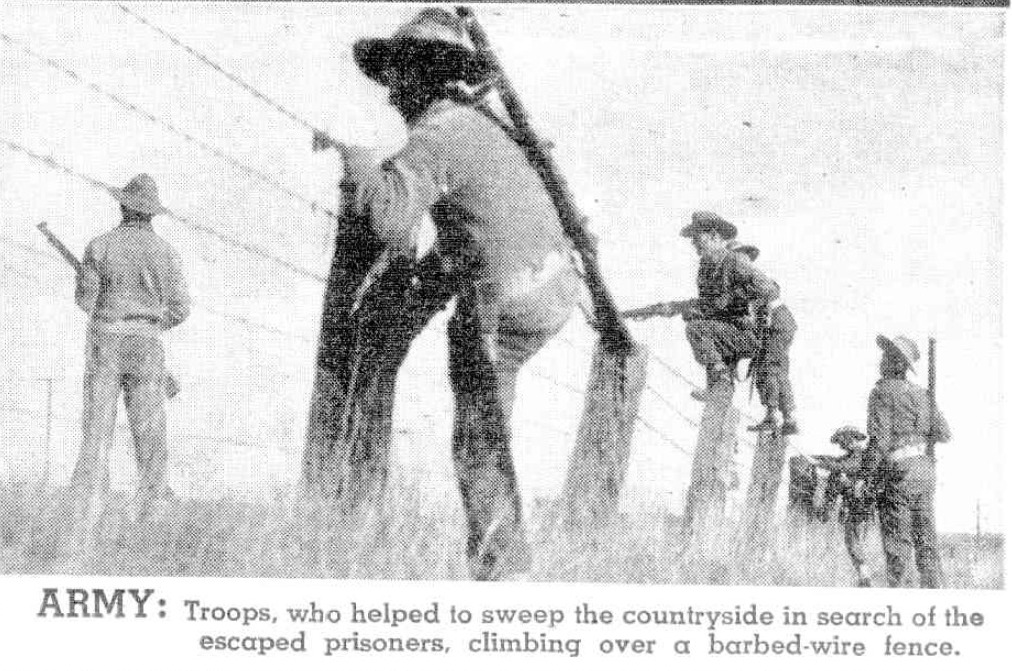
In the early hours of 5 August 1944, more than 1,000 Japanese prisoners of war held at the 12th Australian Prisoner of War and Internees Camp near Cowra, New South Wales, launched a mass breakout. Climbing over dead bodies and barbed wire, the escapees stormed the perimeter in what many had accepted as a suicide mission, a final bid to reclaim lost honour in the face of capture. It remains the largest mass escape of World War II and one of the bloodiest in history.

By the time the chaos subsided, 234 Japanese prisoners were dead and 108 wounded. Three Australian guards were killed, and a fourth officer was stabbed to death during the subsequent manhunt. Over 300 men were recaptured across the following nine days. The Cowra camp, opened in 1941, had grown to hold some 4,000 POWs and internees by 1944, including Italians, Formosans, Koreans, and Japanese non-commissioned officers, all held under Australia’s National Security Act 1939.

Police and troops search for Cowra POW camp escapees August 1944

⬅ See all events from 5 August

Spread the word on your favourite platform!
True Crime Scene Tape

1991: Sir Terence Lewis, Queensland Police Commissioner, Convicted of Corruption

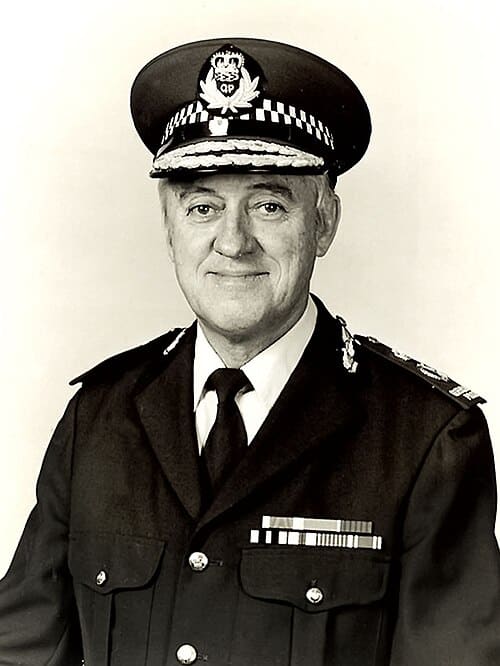
Sir Terence Lewis, Commissioner of the Queensland Police Service from 1976 to 1987, was found guilty on 5 August 1991 of 15 counts of corruption and one of forgery, following the explosive Fitzgerald Inquiry into police misconduct. A District Court jury determined that Lewis had accepted bribes totalling $700,000 to protect brothels, SP bookmakers, illegal casinos, and gaming machine operators. He had been handpicked for the commissioner’s role in 1976 by Premier Joh Bjelke-Petersen, bypassing 122 more senior officers.

Judge Healy sentenced Lewis to the maximum term available: 14 years for corruption and 10 years for forgery, to be served concurrently. Lewis was stripped of his knighthood and two other awards. He continued to protest his innocence and pursued appeals until the last one failed in August 2005.

Terence Murray Lewis, Queensland Police Commissioner. © State of Queensland (Queensland Police Service); original photographer unknown. Retouched by Georgfotoart. Wikimedia Commons, CC BY 4.0.

⬅ See all events from 5 August

Spread the word on your favourite platform!
True Crime Scene Tape

1856: Michael Casey Hanged at Oatlands for a Brutal Assault with Intent to Murder

Michael Casey, an Irish labourer working to clear land at Falmouth, Tasmania, attacked a fellow worker named John Hewitt with a stick and then kicked him in the head, leaving him unable to move. The following morning, Casey returned armed with a gun, stood over the stricken man, and said ‘you are not dead then’ before fleeing when a bystander appeared. A jury found him guilty of wounding with intent to kill, and he was sentenced to death.

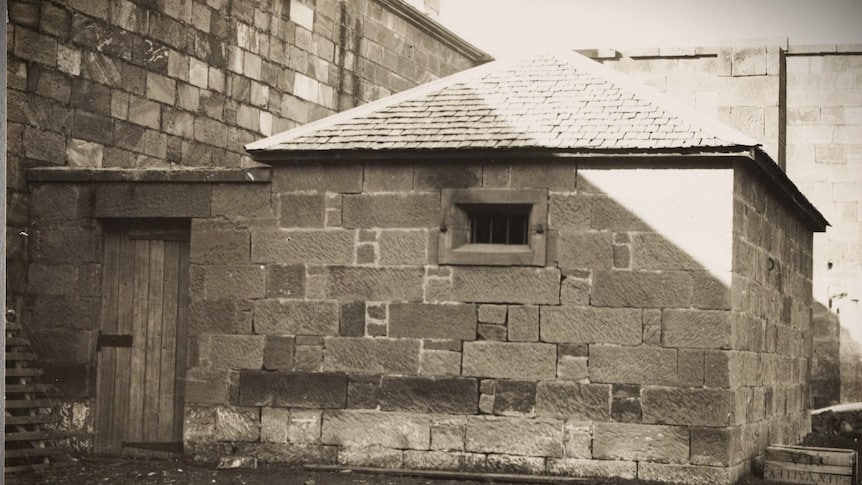
While awaiting execution at Oatlands Gaol, Casey attempted suicide by sharpening an iron spoon and opening a vein in his arm, concealing the wound beneath a strip of old blanket. The act was discovered before he died, and he was nursed back to health only to face the gallows. On 5 August 1856, he was hanged in what was reported as the first private execution within the precincts of Oatlands Gaol.

Colonial era solitary cells uncovered beneath old pool at gaol

⬅ See all events from 5 August

Spread the word on your favourite platform!
True Crime Scene Tape
On This Day in True Crime History

Subscribe to Dark Stories

True crime stories, dark history and tour news, straight to your inbox.