1891: Arthur Cooley Hanged at Campbell Street Gaol for the Murder of Mary Camille Ogilvy

Mary Camille Ogilvy, wife of a magistrate of Inverquharity station near Richmond, Tasmania, was shot dead on the morning of 14 August 1891 while walking back from the gate after seeing her husband off to the Richmond Police Court.

Her body was found the following dawn, pinned beneath a willow in the Coal River, with part of her skull destroyed by a gunshot. Evidence suggested she had been shot some 50 yards from the water and her body dragged to the riverbank. A search party of nearly 100 people with lanterns had scoured the district through the night before she was found.

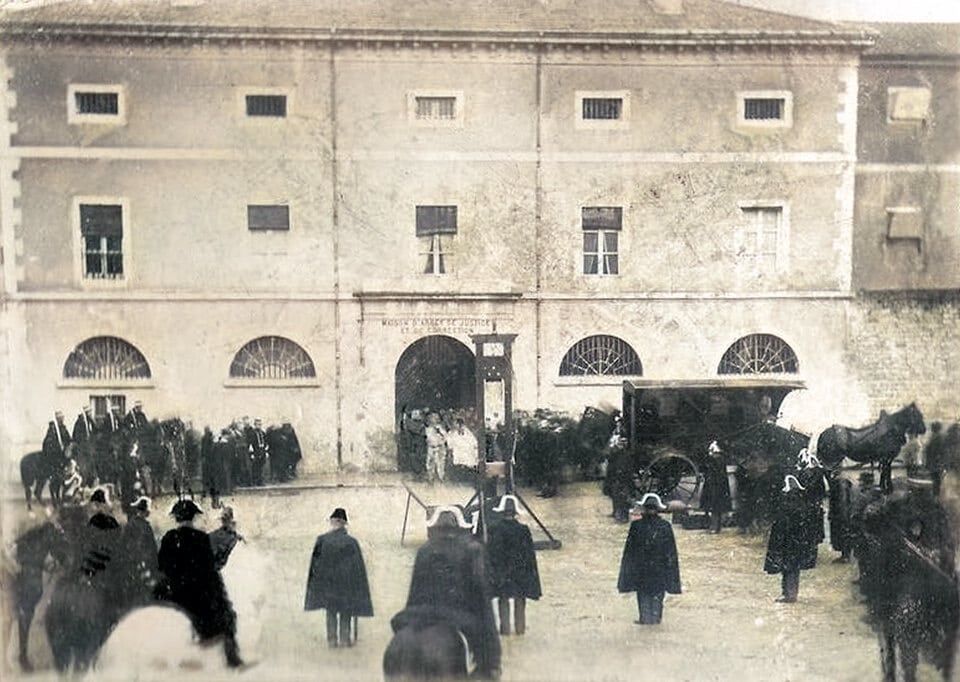
Arthur Cooley, a young man already on bail awaiting trial for an assault charge, was arrested as the prime suspect and faced a coroner’s inquest that same Saturday afternoon. Public anger in the district was described as approaching lynching point. Cooley was convicted of the murder and hanged at Campbell Street Gaol on 17 August 1891.
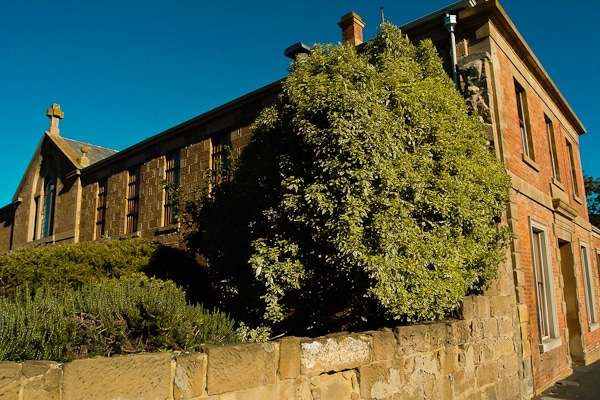

Hobart Gaol prison exterior historic stone building

⬅ See all events from 17 August

Spread the word on your favourite platform!

1919: The Fitzroy Vendetta Erupts: Shots Fired into a Sly-Grog Shop, Squizzy Taylor Acquitted

On the night of 5 August 1919, shots were fired into a sly-grog shop at 31 Fleet Street, Fitzroy, wounding three people: Minnie Clarke, Dick Paget, and James Darcy. All three were treated at St Vincent’s Hospital and all three refused to speak to police. The attack was part of the bloody Fitzroy Vendetta, a running war between Richmond and Fitzroy underworld factions that had left a trail of shootings across Melbourne.

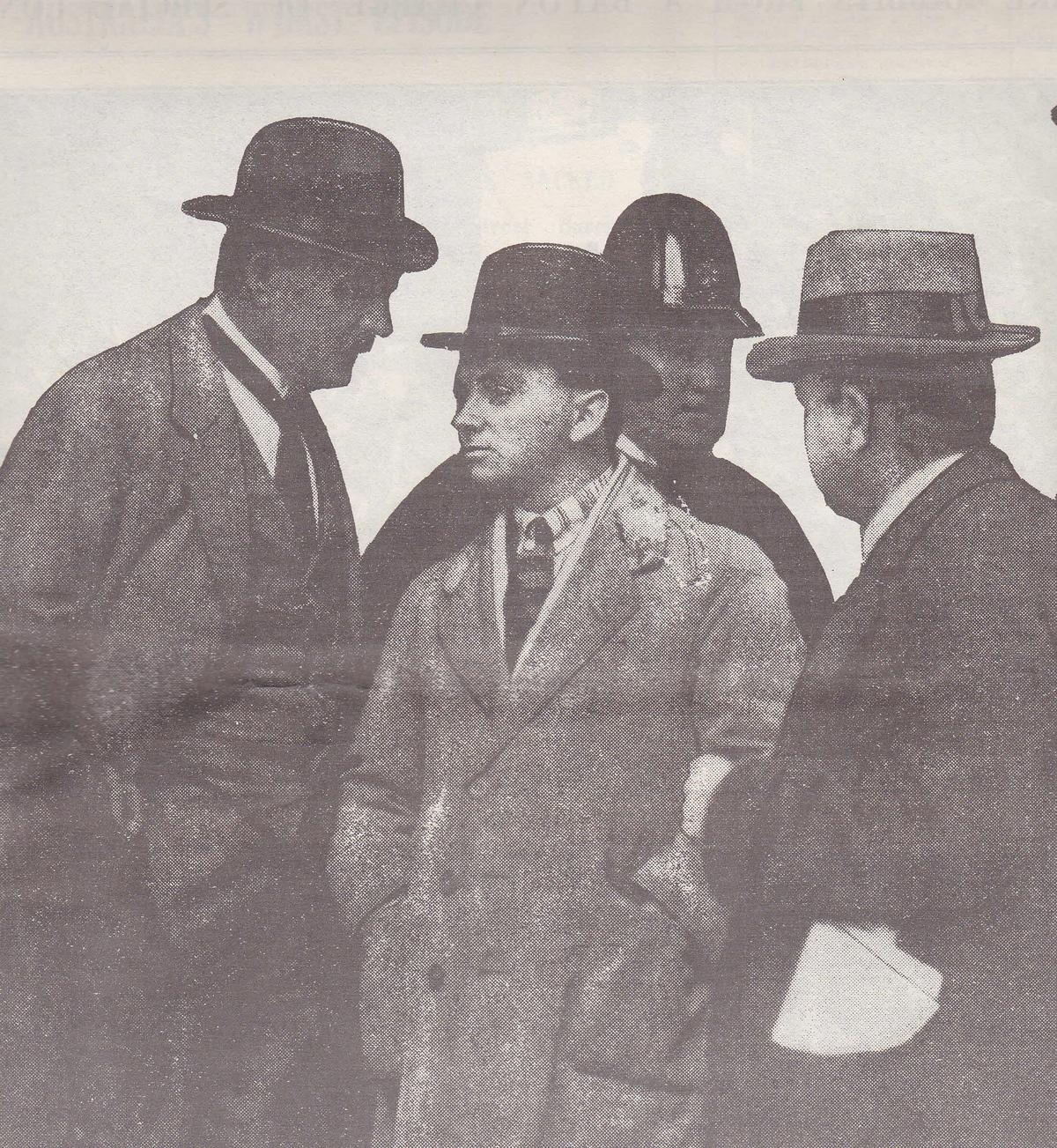
Police observed Leslie “Squizzy” Taylor and two other men leave the area by motor-car in the early hours and arrested him the following day in Bourke Street. At the Fitzroy Court, witnesses including a horse trainer, a miner, and a bookmaker’s clerk all placed Taylor inside a nearby house at the time of the shooting. The bench acquitted him. It was a result that would define his career: ten prior convictions, a reputation as a sneak thief and companion of thieves, and a courtroom that could never quite catch him.

Squizzy Taylor surrendering to police, September 1922. Image: The Sun, Melbourne, 22 September 1922. Public domain in Australia.

⬅ See all events from 5 August

Spread the word on your favourite platform!
On This Day in True Crime History

Subscribe to Dark Stories

True crime stories, dark history and tour news, straight to your inbox.