The Guildford Four were four young people wrongly convicted over a pub bombing campaign carried out by the IRA in Guildford, England, in 1974, and sentenced to life in prison after detectives extracted confessions during lengthy, uncharged interrogations. Three of the convicted were in their early twenties; the youngest was still a teenager.

Within a few years an IRA unit known as the Balcombe Street Gang admitted in custody that they, not the four, had carried out the attack, but the confession was dismissed and the convictions stood. It took more than a decade, and the discovery that police had secretly rewritten interview notes to match the statements used at trial, before the case collapsed. On 19 October 1989, after 15 years behind bars, the Guildford Four walked free.
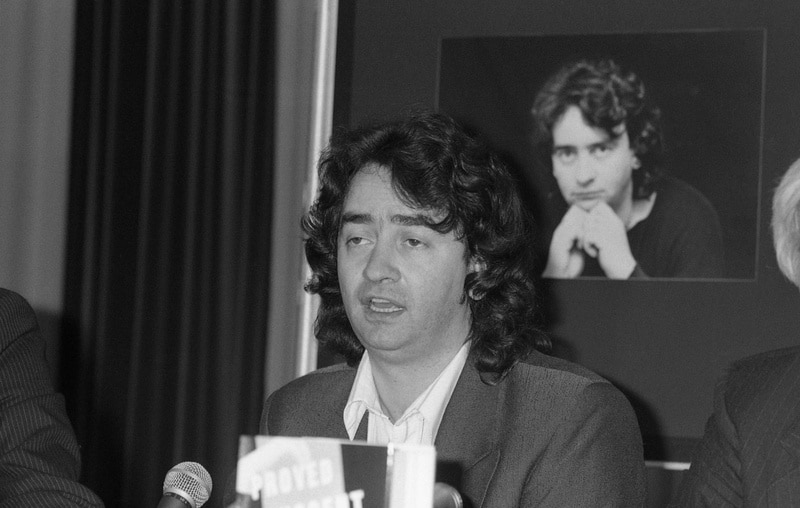

Gerry Conlon, One of the Guildford Four, wrongly jailed for the Guildford pub bombings in Surrey, England, at a book launch in London on June 11, 1990. | ID 11134005 © David Fowler | Dreamstime.com
ID 11134005 © David Fowler | Dreamstime.com

⬅ See all events from 19 October

Spread the word on your favourite platform!

John Wayne Glover, later known as the Granny Killer, followed 86-year-old Doris Cox along Spit Road in Sydney‘s Mosman to her retirement village in 1989, then dragged her into a secluded stairwell and smashed her face into a brick wall.

Cox survived, one of the few to live through an attack that would later be linked to a string of killings targeting elderly women. But she had Alzheimer’s, and her account of the assault was so confused that detectives were steered toward hunting a much younger suspect, a misdirection that bought Glover more time before he was finally caught.

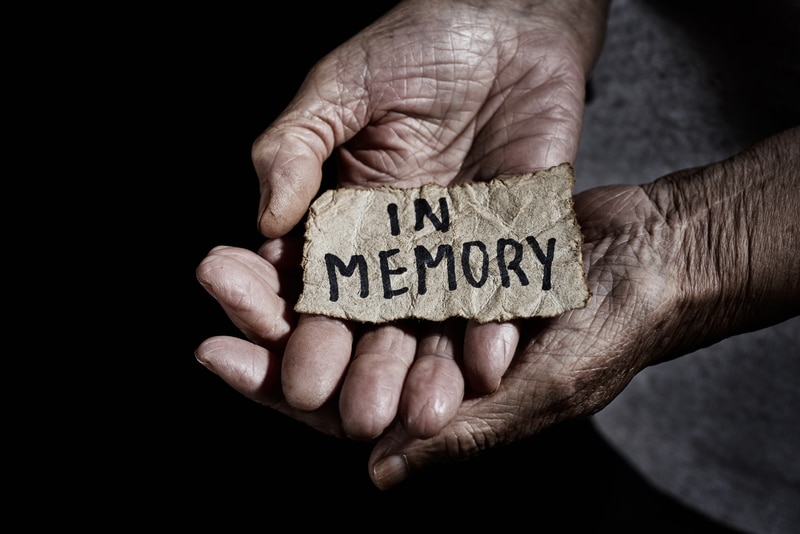
In memory note on paper held in wrinkled hands under dramatic light

⬅ See all events from 18 October

Spread the word on your favourite platform!

Patrick Sullivan and James Moran led a gang of bushrangers who terrorised the Bathurst district through 1826, raiding stations and homes for firearms, horses and supplies. When Sullivan ordered a gang member to murder a stockman in cold blood, the man balked, slipped away in the dark and turned himself in, giving evidence that broke the gang apart.

Tried before the Sydney Criminal Court, Sullivan and Moran pleaded guilty to burglary and horse theft and were sentenced to death. They were hanged at Irish Town on the Liverpool Road, near present-day Bankstown, on 18 October 1826, two days after their accomplices were. Their bodies were left suspended for the rest of the day as a warning to others.

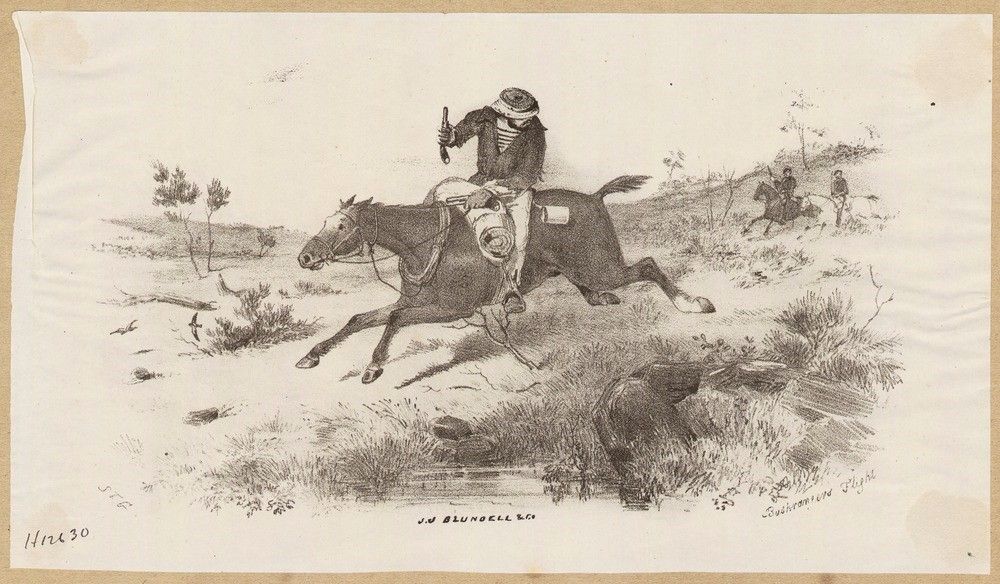
Bushrangers flight scene from 1856 illustration

⬅ See all events from 18 October

Spread the word on your favourite platform!

Lawrence Cummins once rode as a bushranger across New South Wales, but by the time disease caught up with him he had spent decades as someone else entirely. Living quietly under the assumed name James Long, he settled far from his old haunts and let the past disappear.

He died at Wodonga, Victoria, aged 66, of hepatitis, cirrhosis and Bright’s disease, and was buried in the local cemetery under the name his neighbours knew. Few, if any, of them ever learned they had been living alongside a man with a bushranging past.

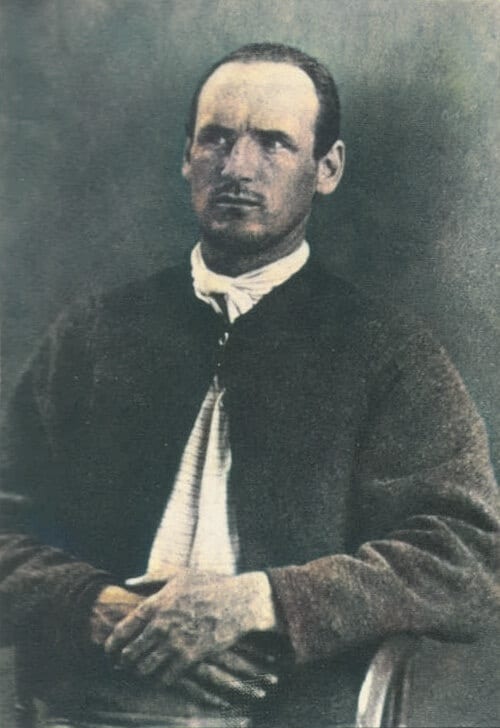
Bushranger Larry Cummins

⬅ See all events from 18 October

Spread the word on your favourite platform!
On This Day in True Crime History
1816·He Blamed His Mate for the Shot, But It Was His Own Gun That Fired: Triple Hanging in Sydney
1895·"Look, Jimmy": The Chilling Instant Before a Fatal Tomahawk Attack Near Mount Morgan, Hanged in Brisbane.
1895·"A Feeling of Relief": Hanged in Melbourne for Drowning a Family Member
1993·11-04 | 1993 Two More Victims Discovered: The Backpacker Murders in the Forest South-West of Sydney
More Crime On This Day →

Subscribe to Dark Stories

True crime stories, dark history and tour news, straight to your inbox.