On 10 July 1985, agents of the French secret service DGSE attached two bombs to the hull of the Greenpeace flagship Rainbow Warrior as it lay moored in Auckland Harbour, sinking the vessel and killing Portuguese photographer Fernando Pereira, who drowned trying to retrieve his camera equipment. The ship had been preparing to lead a protest flotilla against French nuclear testing in the Pacific.

Two French agents, Alain Mafart and Dominique Prieur, were arrested in New Zealand travelling under false Swiss identities and later pleaded guilty to manslaughter, drawing widespread attention to the operation’s codename, Operation Satanique.

For weeks the French government denied any involvement, until on 22 September 1985 Prime Minister Laurent Fabius publicly admitted that French secret service agents had sunk the ship acting on orders, an extraordinary confession of state-directed sabotage carried out against an allied nation.
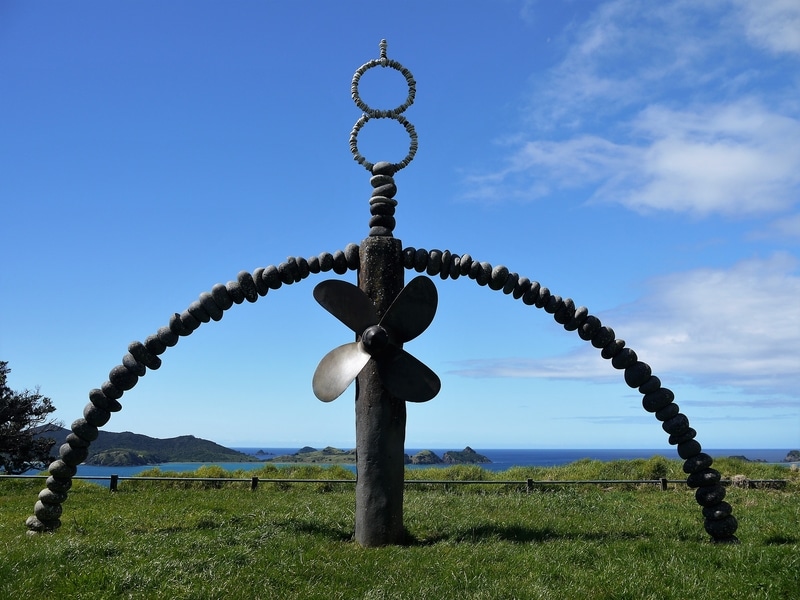

New Zealand: Matauri Bay Rainbow Warrior memorial. Matauri Bay, Northland, memorial to Rainbow Warrior sculpted by Chris Booth | ID 101374786 © Jill Shepherd | Dreamstime.com
ID 101374786 © Jill Shepherd | Dreamstime.com

⬅ See all events from 22 September

Spread the word on your favourite platform!

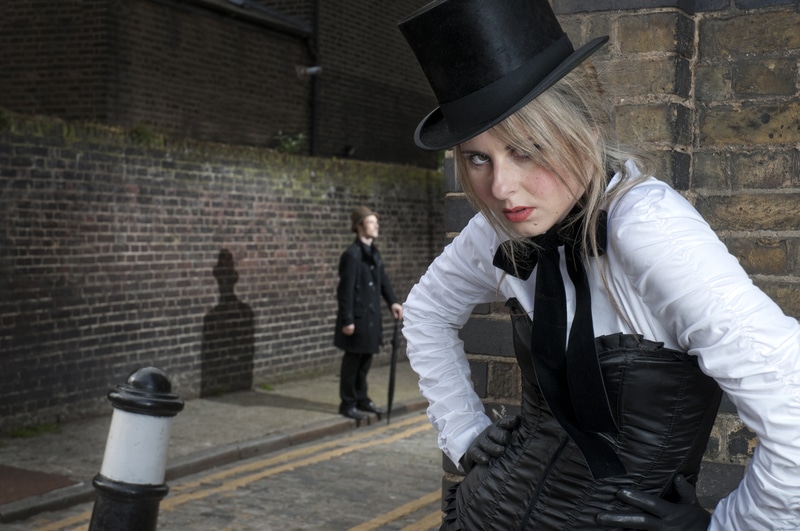
Jack the Ripper was a woman. That was the possibility London newspapers began to report: that the killer who had horrified the world for months was a woman disguised as a man, living and working unnoticed in Whitechapel. By the time the story spread, she had reportedly vanished. Police were confidently believed to be “at last on the track” of the murderer, and there was suddenly talk of “his or her crimes”.

Who, it was asked, could walk the streets at night without suspicion, possess the anatomical knowledge the mutilations suggested, and risk being found beside a body? One answer: a woman who was, or had been, a midwife. Discovered bending over a victim, she need only say she had been passing by and thought the woman required her medical attention. Though largely discounted, the Jill the Ripper theory has never completely gone away.

Victorian woman in London street with man in background

⬅ See all events from 21 September

Spread the word on your favourite platform!

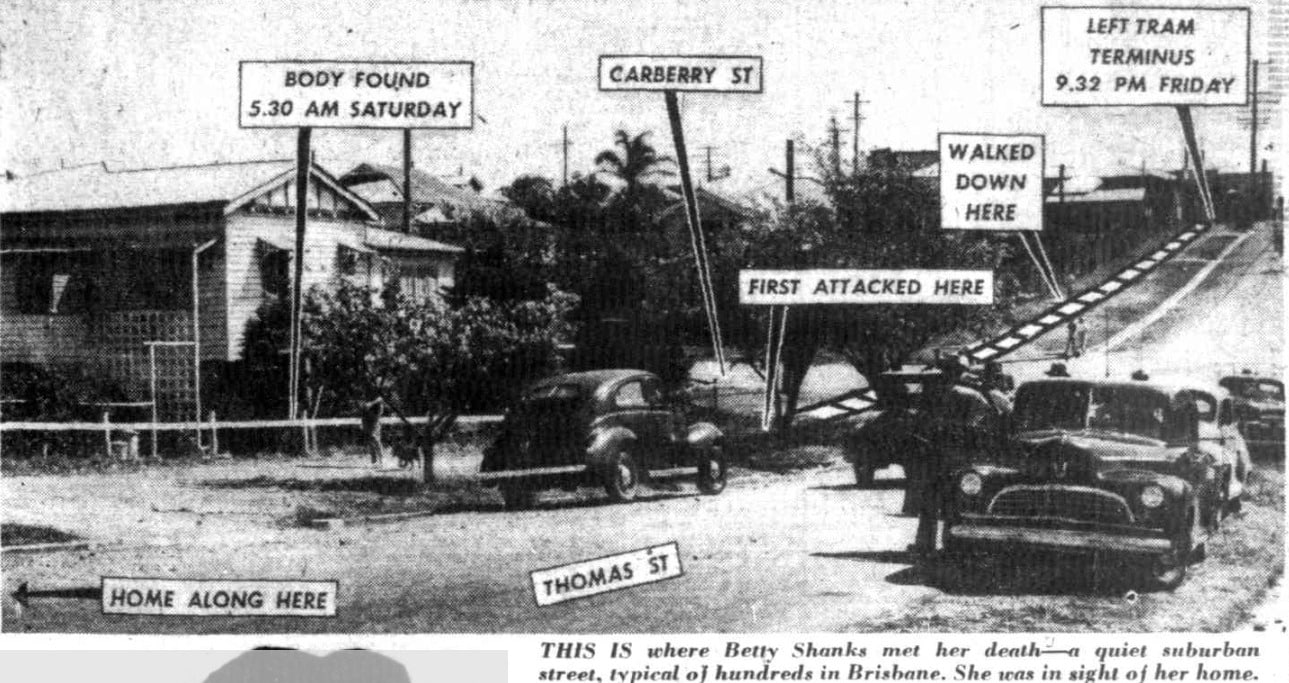
By the early hours of 21 September 1952, more than 400 police had been drawn into the hunt for Betty Shanks’s killer in Brisbane. Patrol cars criss-crossed the suburbs and officers searched streets and parks through the night. Police leave was cancelled, at least 100 investigators went without sleep, and residents near the Wilston murder scene were warned to lock doors and windows amid fears of another attack.

An early lead came to nought, and after roughly 20 hours of investigation police were still searching without a breakthrough. A description was issued of a man wanted in connection with the killing, following reports of someone leaping a fence near where Betty’s body was found. Despite the massive manhunt, her murder would become one of Brisbane’s most famous cold cases, still unsolved today.

Crime scene street where Betty Shanks was killed near her home Brisbane

⬅ See all events from 21 September

Spread the word on your favourite platform!

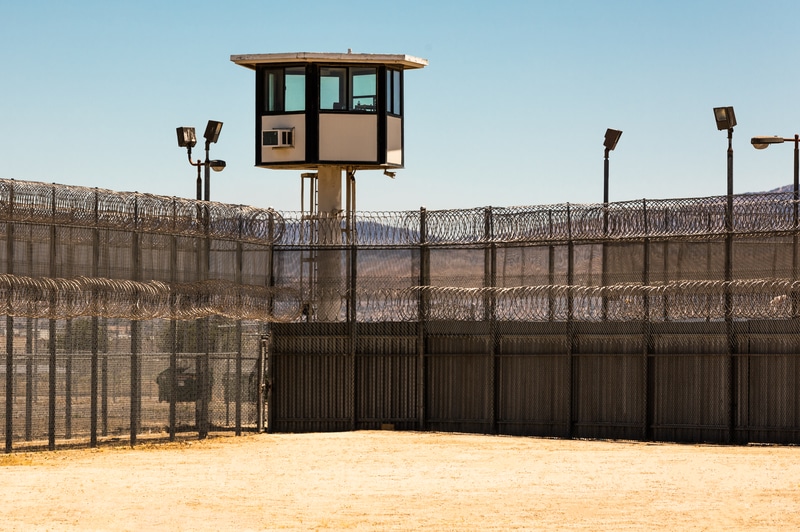
Angelo Buono Jr., one half of the killing partnership known as the Hillside Stranglers, died of a heart attack at age 67 while serving a life sentence without parole at Calipatria State Prison in California. He had been convicted of nine murders committed with his cousin Kenneth Bianchi in Los Angeles between 1977 and 1978, victims who were kidnapped, tortured and strangled before their bodies were dumped on hillsides around the city.

Buono ran an upholstery shop that served as a base for the pair, luring young women into his van before the killings. Bianchi, who was arrested first in Washington State, struck a deal and testified against Buono in exchange for avoiding the death penalty, a betrayal that helped seal his cousin’s conviction after one of the longest and most expensive criminal trials in California history.

Buono spent the rest of his life in prison showing no remorse for the killings, dying quietly behind bars rather than facing execution.

Empty desert prison yard with guard tower in background

⬅ See all events from 21 September

Spread the word on your favourite platform!
On This Day in True Crime History

Subscribe to Dark Stories

True crime stories, dark history and tour news, straight to your inbox.