Just seventeen days after Lynette Fromme aimed a pistol at Gerald Ford in Sacramento, a second attempt on the president’s life unfolded outside a hotel in San Francisco on September 22, 1975. Sarah Jane Moore, a 45-year-old activist and FBI informant, fired a single shot from a .38 revolver at Ford as he left the St. Francis Hotel, missing him by only a few feet.

The shot went wide largely because of a bystander, former Marine Oliver Sipple, who was standing nearby and grabbed Moore’s arm as she fired, deflecting her aim. Moore was wrestled to the ground and arrested at the scene.

She pleaded guilty to attempted assassination of a president and was sentenced to life in prison. Moore later expressed regret over the attempt, and she was eventually paroled in 2007 after more than three decades behind bars.
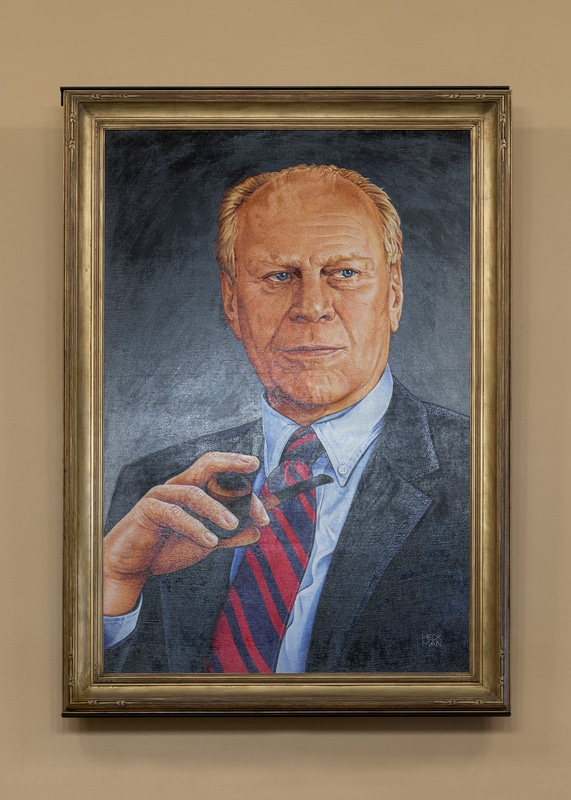

Gerald Ford portrait in the Michigan State Capitol at 100 N Capitol Avenue in Lansing, Michigan | ID 103716497 © Glenn Nagel | Dreamstime.com
ID 103716497 © Glenn Nagel | Dreamstime.com

⬅ See all events from 22 September

Spread the word on your favourite platform!

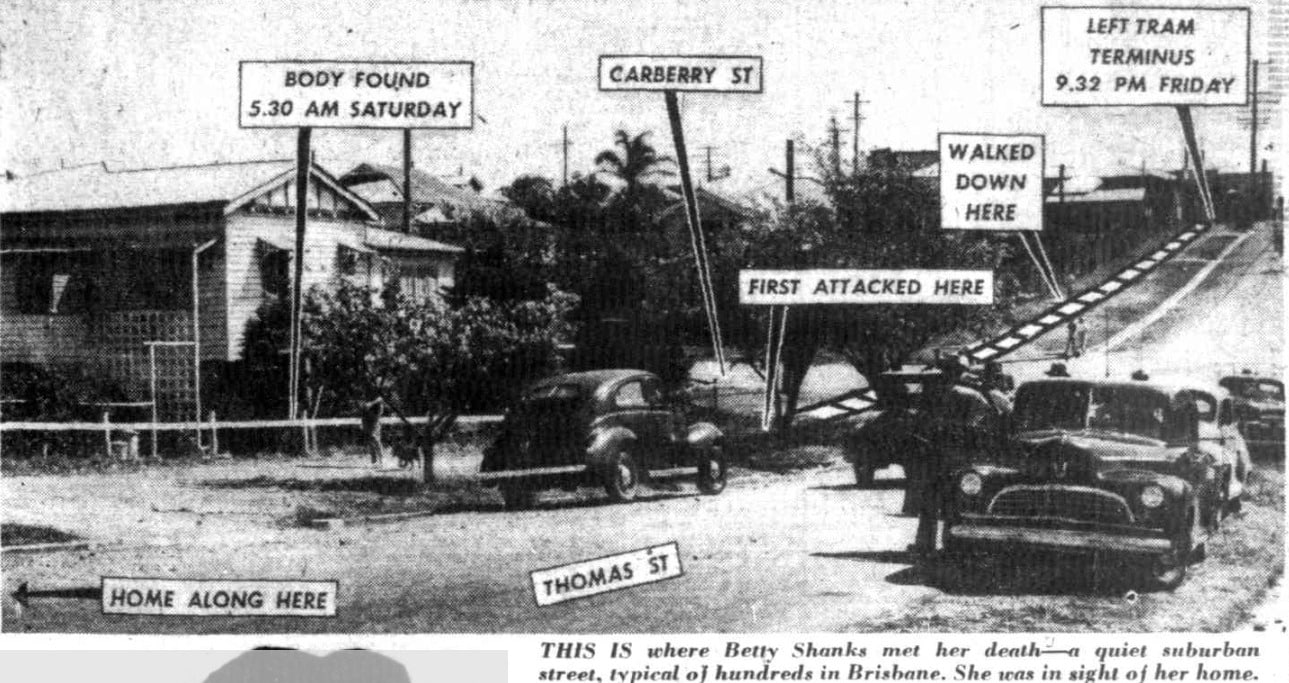
By the early hours of 21 September 1952, more than 400 police had been drawn into the hunt for Betty Shanks’s killer in Brisbane. Patrol cars criss-crossed the suburbs and officers searched streets and parks through the night. Police leave was cancelled, at least 100 investigators went without sleep, and residents near the Wilston murder scene were warned to lock doors and windows amid fears of another attack.

An early lead came to nought, and after roughly 20 hours of investigation police were still searching without a breakthrough. A description was issued of a man wanted in connection with the killing, following reports of someone leaping a fence near where Betty’s body was found. Despite the massive manhunt, her murder would become one of Brisbane’s most famous cold cases, still unsolved today.

Crime scene street where Betty Shanks was killed near her home Brisbane

⬅ See all events from 21 September

Spread the word on your favourite platform!

Jack the Ripper was a woman. That was the possibility London newspapers began to report: that the killer who had horrified the world for months was a woman disguised as a man, living and working unnoticed in Whitechapel. By the time the story spread, she had reportedly vanished. Police were confidently believed to be “at last on the track” of the murderer, and there was suddenly talk of “his or her crimes”.

Who, it was asked, could walk the streets at night without suspicion, possess the anatomical knowledge the mutilations suggested, and risk being found beside a body? One answer: a woman who was, or had been, a midwife. Discovered bending over a victim, she need only say she had been passing by and thought the woman required her medical attention. Though largely discounted, the Jill the Ripper theory has never completely gone away.

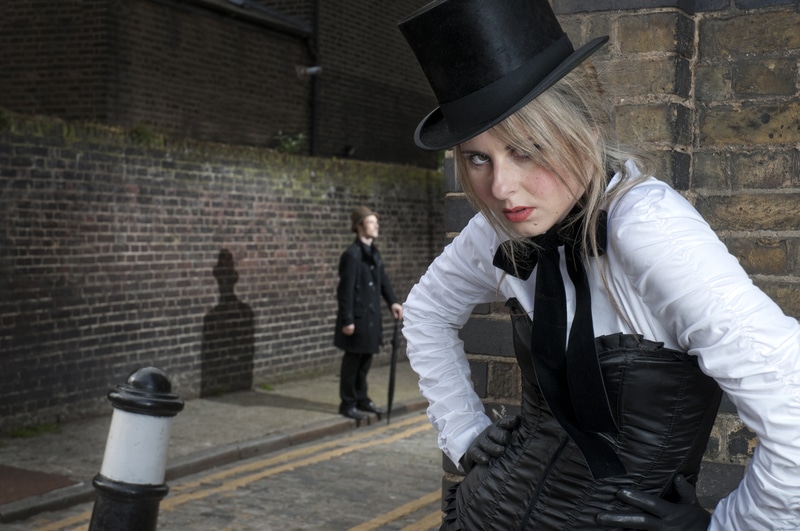
Victorian woman in London street with man in background

⬅ See all events from 21 September

Spread the word on your favourite platform!

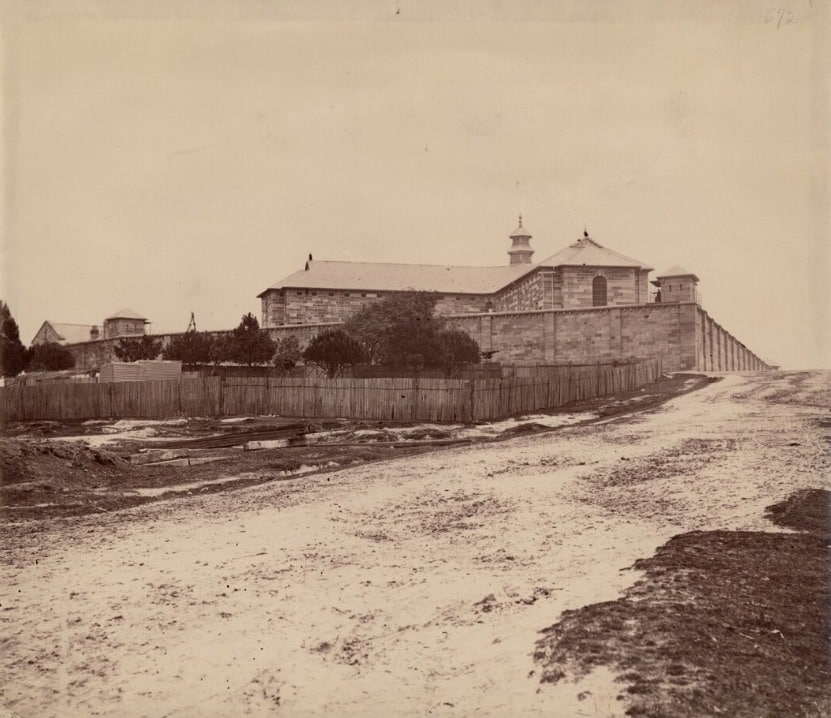
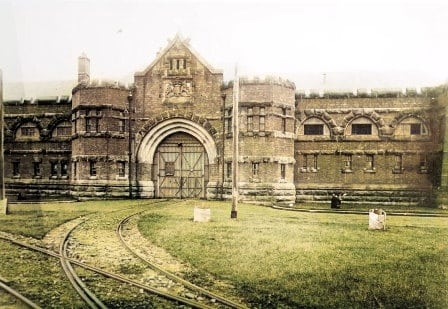
Francis Thomas Green was hanged at Darlinghurst Gaol on 21 September 1852 for the murder of John Jones at Buckley’s Creek on 10 March that year, shot dead with a pistol. The execution holds a grim distinction: it was the last public hanging carried out in New South Wales.

The morning of the execution broke dark and drizzling, yet the crowd was of the usual size, with women reportedly outnumbering men by nearly three to one. A carriage carrying women described by the press as being of “respectable exterior” was drawn up directly in front of the gallows, its occupants showing what one newspaper called a “disgusting eagerness” to secure the best view, while mothers nursed infants and children ran boisterously among the onlookers.

Green’s wife visited him for a final farewell the day before his death, the only moment he was seen to show real emotion. He spent his last night in prayer with a Roman Catholic priest, having initially refused all ministers before requesting Catholic clergy in his final days.

Green made a partial admission to a gaol official before his death, saying that Jones had fallen by his hand “in the heat of a sudden quarrel”.

Darlinghurst Gaol northeast corner view from Burton Street 1870

⬅ See all events from 21 September

Spread the word on your favourite platform!
On This Day in True Crime History
1891·The Mace, the Madam, and a Melbourne Scandal That Never Died
1959·Through a Chapel Ventilator: the Sydney Jailbreak That Triggered Australia's Biggest Manhunt
More Crime On This Day →

Subscribe to Dark Stories

True crime stories, dark history and tour news, straight to your inbox.