Snowy Cutmore had spent months hiding in Sydney after the gangland killing of an ally, but by late October 1927 he was back in Melbourne, lodging with his mother in Carlton. At the races he ran into his old rival Squizzy Taylor and the two traded threats in public; within days Cutmore came down with influenza and took to his sickbed.

On 27 October 1927, Taylor and an accomplice hired a car, drove to the house and walked straight into Cutmore’s bedroom. Gunfire erupted between the bedridden man and his visitors: Cutmore was hit five times, his mother was wounded by a stray bullet as she rushed in, and Taylor himself staggered out mortally wounded, dying in hospital within the hour.
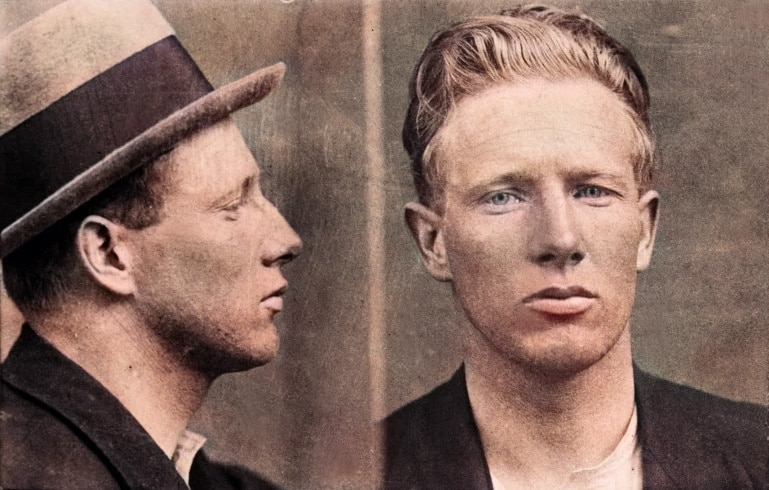

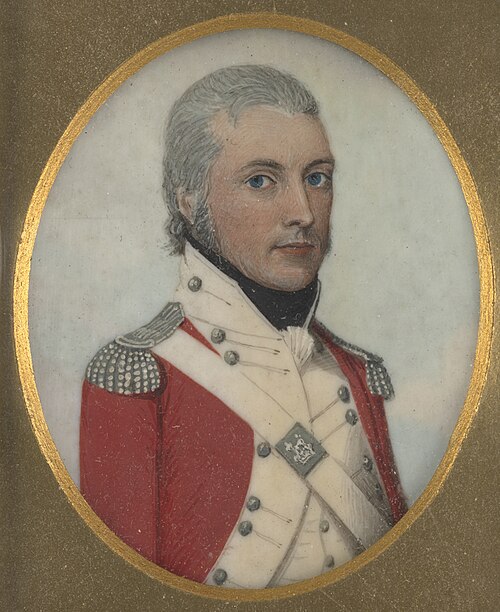
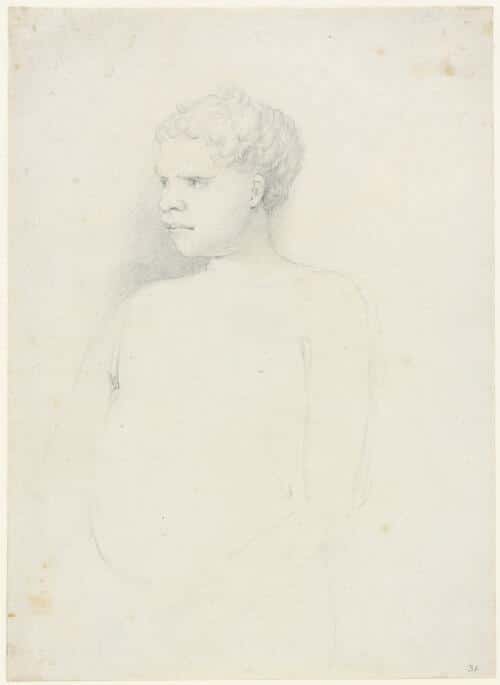
Snowy Cutmore dual portrait image from 1920

⬅ See all events from 27 October

Spread the word on your favourite platform!

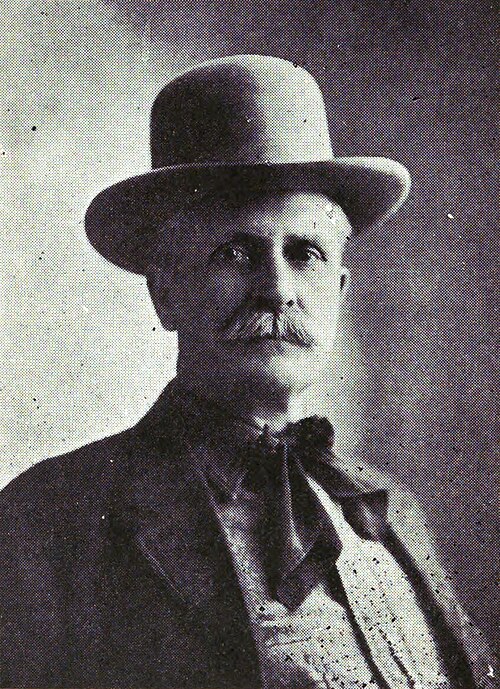
George Sturgeon, a settler near Oatlands in Tasmania, was found shot dead on a bush track in July 1856, killed by a gang of bushrangers after leaving home with money in his pocket. A huge reward sent police after the gang, including a notorious outlaw known as “Long Mickey”, by then the self-styled terror of the Midland Districts.

He was finally cornered in a shepherd’s hut over a year later and opened fire through the walls as police closed in. One shot passed clean through the thatch gripped in a pursuing constable’s hand; a return shot shaved off part of Long Mickey’s whisker, and he surrendered, begging not to be ill-used, as he knew he would hang for the Sturgeon killing.

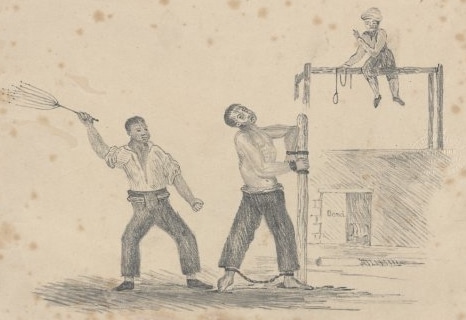
Convicted after trial, he was hanged inside the gaol at Oatlands on 27 October 1857.

On the scaffold Long Mickey thanked the priest who had attended him, declared he had never committed murder, and insisted his companion had not killed anyone either, before asking those present to pray for his soul.

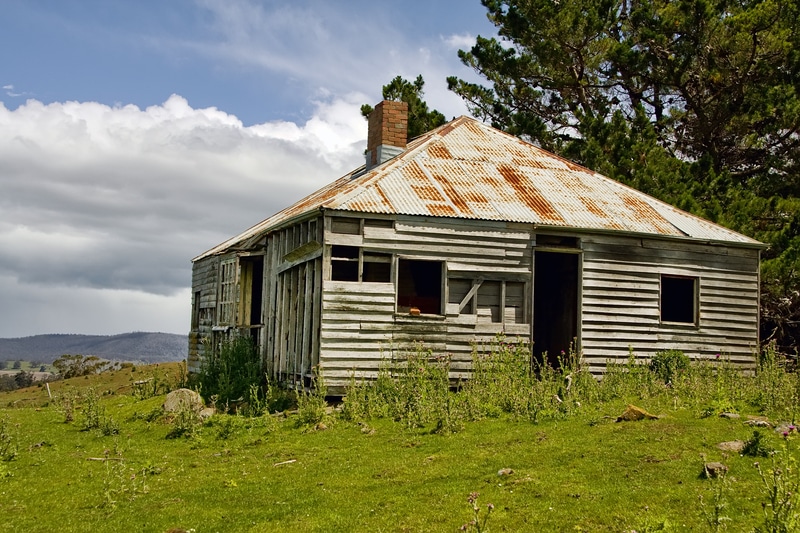
Abandoned farmhouse
Abandoned farmhouse

⬅ See all events from 27 October

Spread the word on your favourite platform!

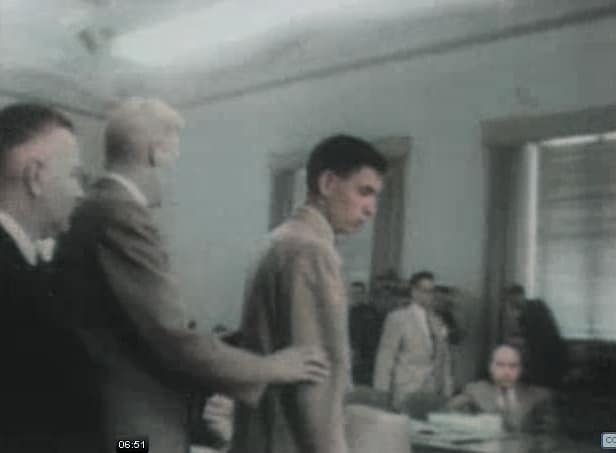
Ivan Milat, convicted of murdering seven backpackers whose remains were scattered through the Belanglo State Forest south of Sydney, spent 25 years in custody without ever publicly admitting guilt. He told interviewers his family had nothing to do with the killings, and police who visited him eight times in his final months, even playing him recorded messages from victims families, could not shake his denial.

His years inside were marked by strange, desperate acts of self-harm. In 2009 he sliced off his own little finger with a plastic knife, intending to post it to the High Court of Australia to force an appeal, and in 2011 he starved himself for nine days and lost 25 kilograms in a failed bid to be given a PlayStation.

Milat died of oesophageal cancer in the hospital wing of a Sydney prison on this day in 2019, still publicly protesting his innocence. He reportedly told his mother, the one person he trusted, that he had carried out the backpacker murders.

Dark History of Belanglo Forest

⬅ See all events from 27 October

Spread the word on your favourite platform!

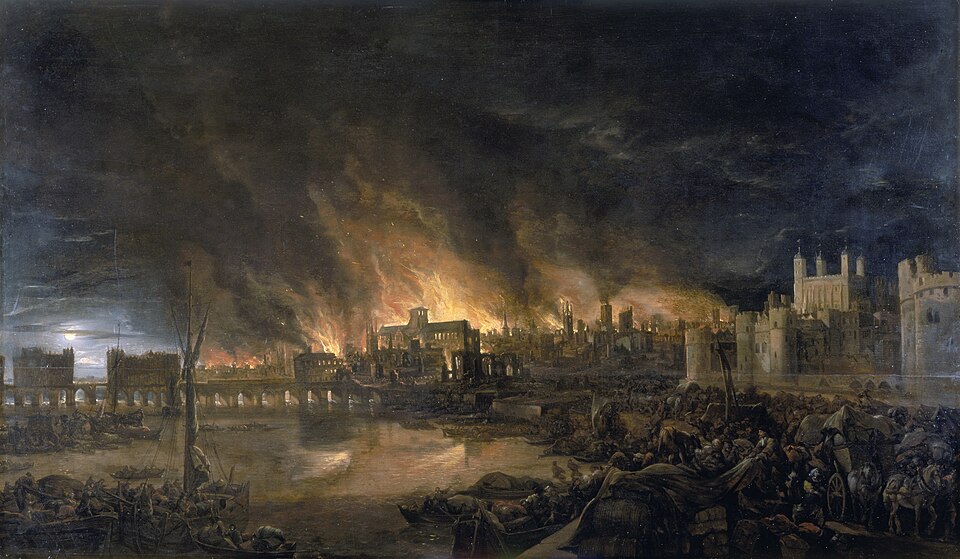
Robert Hubert, a French watchmaker, confessed to starting the Great Fire of London, claiming he had thrown a fireball through a bakery window to set the blaze alight. Records showed he had not even set foot in England until two days after the fire began, and neither the judges nor the jury who tried him believed he was guilty.

He was hanged at Tyburn on this day in 1666 anyway. Afterwards, a crowd of Londoners tore his body apart before it could be handed over to the Company of Barber-Surgeons for dissection.

Hubert never withdrew his confession, insisting to the end that he had set the fire, even as the evidence against his own story mounted.

The Great Fire of London

⬅ See all events from 27 October

Spread the word on your favourite platform!
On This Day in True Crime History

Subscribe to Dark Stories

True crime stories, dark history and tour news, straight to your inbox.