President Woodrow Wilson vetoed it, warning that banning alcohol while rationing wartime grain made no sense now the war was over. Congress disagreed, and on this day in 1919 the Senate and House of Representatives overrode his veto, pushing the Volstead Act into law and setting a date to enforce the newly ratified Eighteenth Amendment.

The Act gave Prohibition its teeth: it defined any drink over 0.5 percent alcohol as illegal and handed federal agents the power to raid, seize and prosecute. Within months, that vacuum would be filled not by sobriety but by bootleggers, speakeasies and the organised crime syndicates who built fortunes smuggling what the law had just made forbidden.
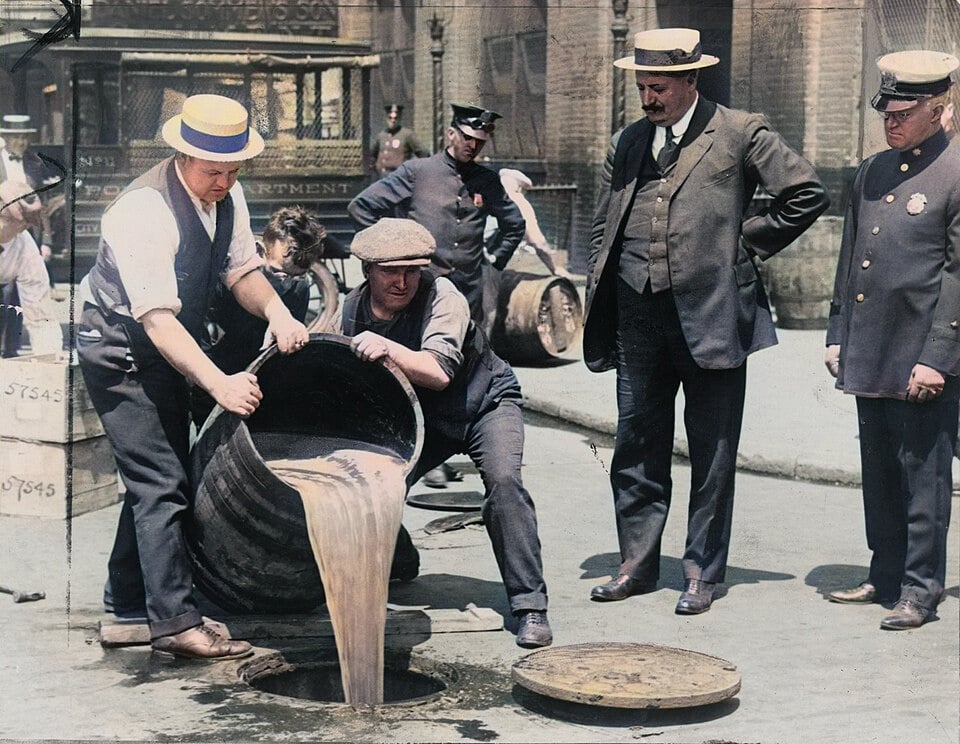

New York City Deputy Police Commissioner overseeing the disposal of confiscated liquor during Prohibition, c. 1921. Source: Library of Congress.

⬅ See all events from 28 October

Spread the word on your favourite platform!

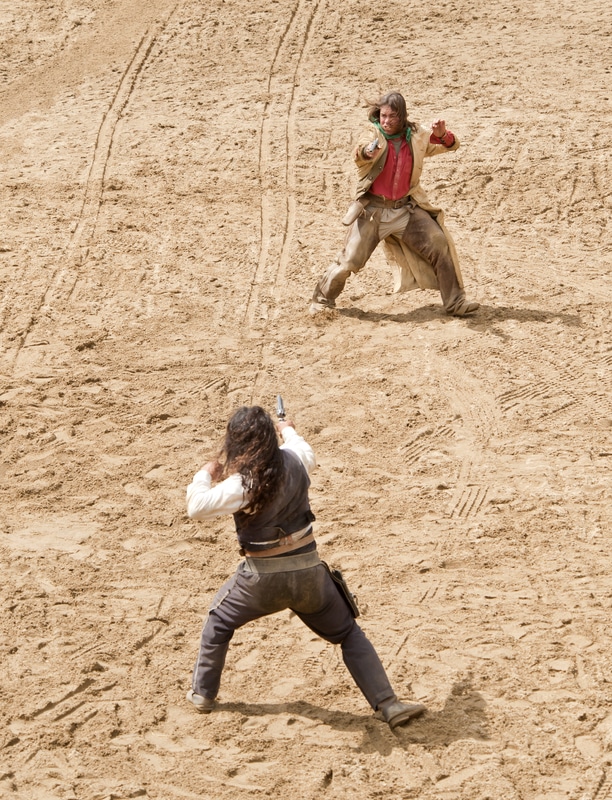
Thomas Menard, known on the road as “Yankee Tom”, shot his mate James Sweeney dead in a hut near Warrnambool on 10 June 1865 after what witnesses later described as relentless taunting between the two men; some swore Sweeney had reached for a quarrying hammer the moment Menard raised a pick against him. Menard fled south and vanished.

Police lost his trail for weeks. He resurfaced near Wodonga under the alias James Barrett, arrested over an armed robbery, and when Sergeant Bambrick recognised him a gunfight broke out on the spot: pistols fired at close range until Bambrick wrenched his wrist down, burying the shot in the dirt, and clubbed him senseless with the butt of his own revolver.

Menard was committed for trial and convicted of Sweeney’s murder. He was hanged at Geelong on this day in 1865, having told the court at his committal that he had nothing to say.

Shootout on a lonley road.

⬅ See all events from 28 October

Spread the word on your favourite platform!

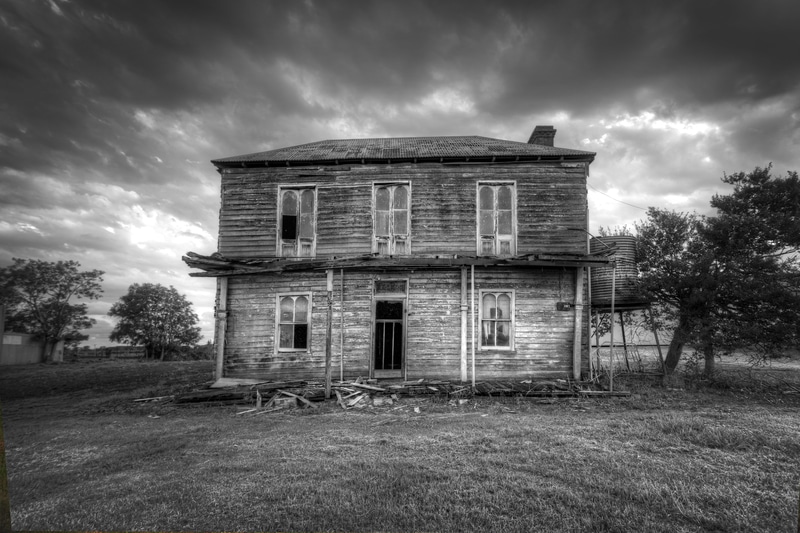
Jeremy Bamber told police his father had rung him at 3:30am to say his sister, Sheila Caffell, had gone berserk with his rifle, and when officers reached the family’s Georgian farmhouse in Essex that August morning in 1985, Sheila lay dead with the gun against her throat, having apparently shot her parents and her young twin sons before turning it on herself.

Detectives were sceptical that a woman recovering from schizophrenia could have fired the fatal shots twice into her own throat, and it was Bamber’s girlfriend who broke the case, telling police he had confessed the killings to her. A silencer later found hidden in a farmhouse cupboard proved decisive: it showed the rifle had been too long for Sheila’s reach when the shots were fired. Bamber was convicted on this day in 1986 and sentenced to life imprisonment, later made a whole life term with no possibility of parole.

He has always maintained his innocence, and decades on, still pursues appeals to have his conviction overturned.

Victorian Georgian farm house

⬅ See all events from 28 October

Spread the word on your favourite platform!

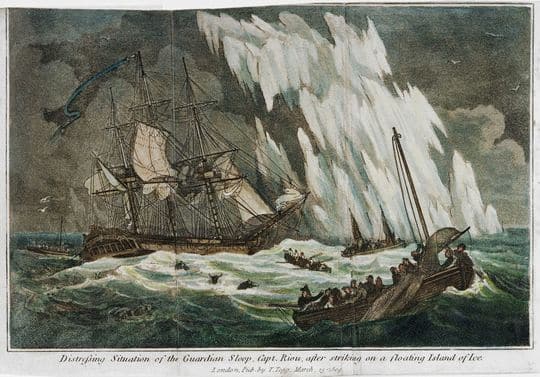
Edward Wildblood sailed to New South Wales on the Second Fleet ship Surprize, a voyage so brutal that dozens of convicts died before it even reached Sydney in June 1790. He was one of the lucky ones, stumbling ashore half starved after months chained below deck, only to find the colony offered little mercy either.

Within three months he and fellow convict William Harris had taken to the bush around Rose Hill, the settlement that would become Parramatta, robbing huts and killing a settler’s goat. Caught and sent back to labour in irons on bread and water, the pair slipped away again during their overseer’s absence, broke into a hut and beat its lone occupant, a sick settler, before making off with beef, flour, a frock and a book. Tried and convicted on 28 October 1790, Wildblood and Harris were hanged that same day at Rose Hill, their bodies left swinging near the very hut they had robbed, one of the earliest executions carried out in the colony.

In a remarkable twist of fate, both men were recorded as having been born on the same day, 1 January 1764, only to die together on the same day, aged just 26, at the end of a hangman’s rope.

Second Fleet aka The Death Fleet in distress

⬅ See all events from 28 October

Spread the word on your favourite platform!
On This Day in True Crime History

Subscribe to Dark Stories

True crime stories, dark history and tour news, straight to your inbox.