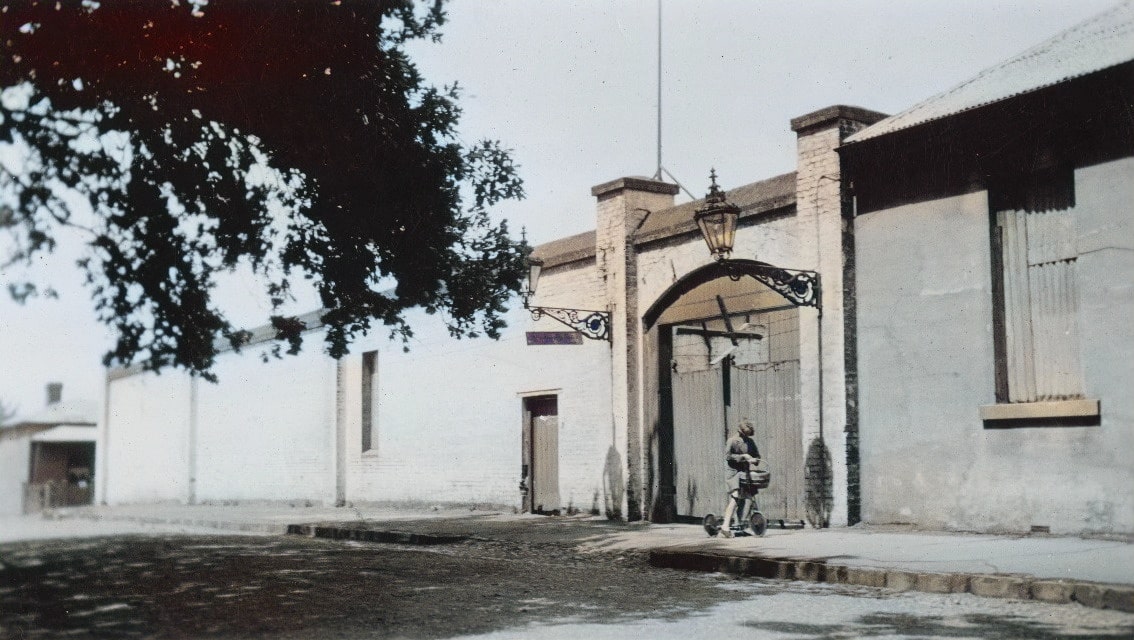
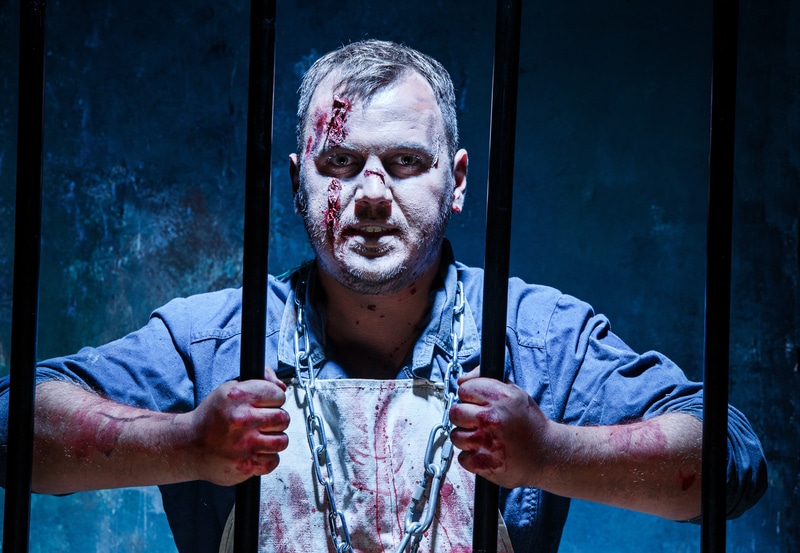
1864: Christopher Harrison Hanged at Melbourne Gaol for Shooting His Business Partner

Christopher Harrison and James Marsh held a government contract to clear Section No. 4 of the Jordan track near Melbourne. Marsh had failed to deposit funds to honour the workers’ cheques, leaving Harrison besieged by unpaid men. When the two met to settle the dispute, with contractor John Stewart present as arbitrator, Marsh refused to sign papers. Harrison drew a pistol, remarking: “Do you think such a wretch is fit to live? I don’t.” Marsh fell while trying to use a bystander as a shield, and Harrison shot him where he lay.

An inquest before Dr. Youl at the Sir Charles Hotham Hotel on Flinders Street returned a verdict of wilful murder. Harrison was described as composed, even nonchalant, as the evidence against him was heard. He was convicted and hanged at Melbourne Gaol on 3 August 1864.


Christopher Harrison Hanged at <a href='https://darkstories.com.au/melbournes-true-crime-tour/' target='_blank' rel='noopener noreferrer'>Melbourne</a> Gaol for Shooting His Business Partner” style=”max-width:50%; height:auto; display:block; margin:16px auto;”/></p>
<p style=⬅ See all events from 3 August

Spread the word on your favourite platform!

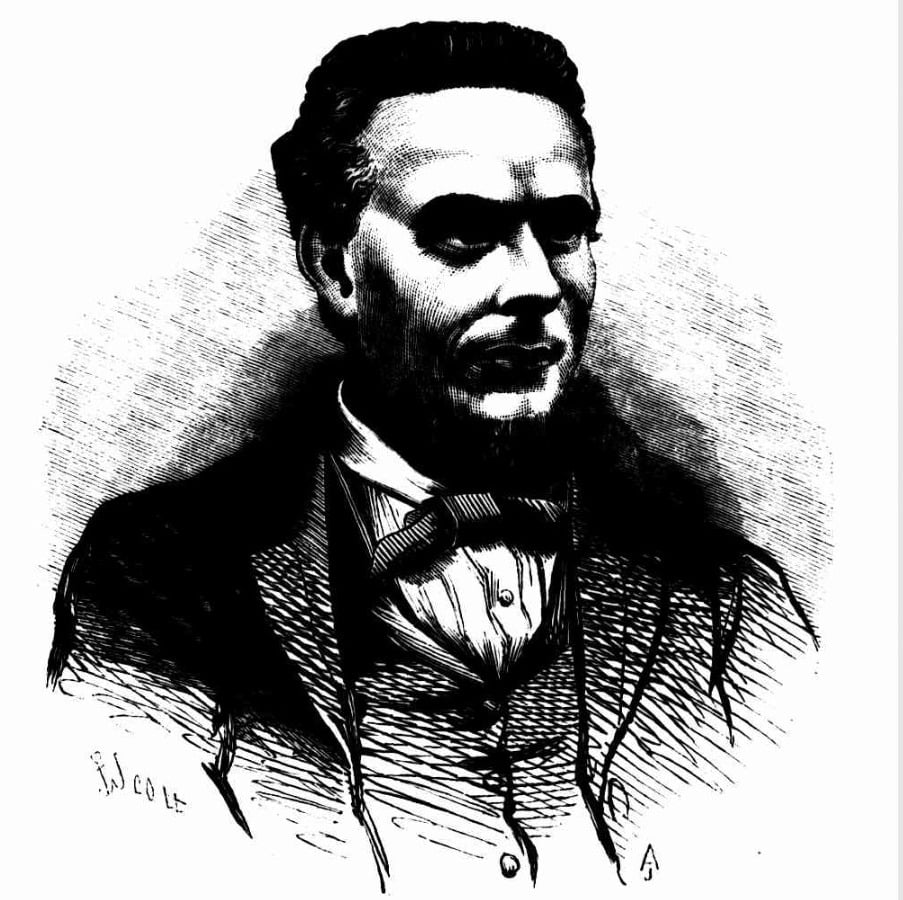
1869: James Ritson Hanged at Melbourne Gaol for the Murder of a Prison Chaplain

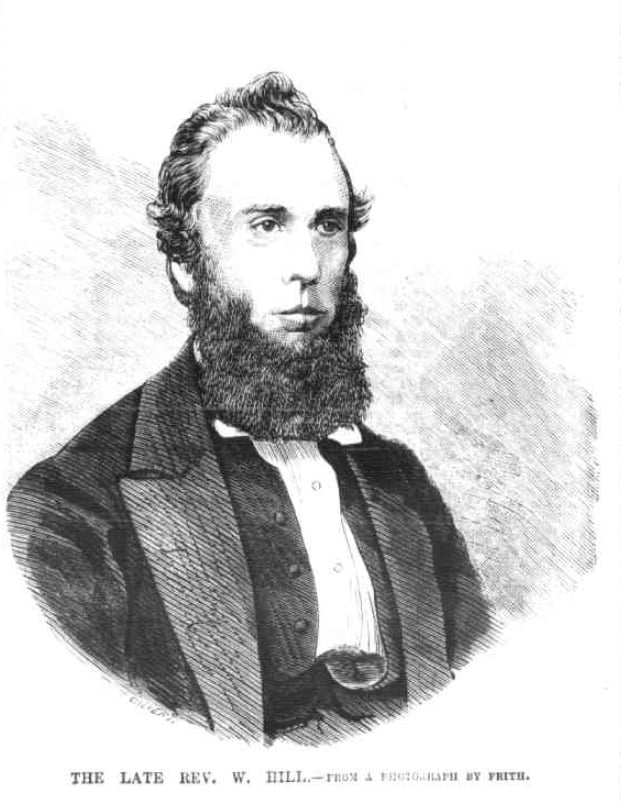
James Ritson, a prisoner at Pentridge Stockade already serving time for shooting a market inspector, killed the Reverend William Hill inside his solitary confinement cell in July 1869. Hill, the Wesleyan chaplain and superintendent of the second Wesleyan Circuit, had entered the cell alone to offer religious instruction. Ritson attacked him with a bed hinge he had wrenched free, battering in the chaplain’s skull. A warder heard Hill cry out “Mercy, man” but mistook it for prayer; by the time he forced the barricaded door open, Hill was dying on the floor in a pool of blood.

Hill had served the colony for fourteen years, was acting editor of the Wesleyan Chronicle, and left four young children orphaned, their mother having died only months earlier. He was buried at Melbourne Cemetery on 15 July 1869. Ritson, described at the time as a homicidal maniac, was hanged at Melbourne Gaol on 3 August 1869.

The Late Reverend Hill

⬅ See all events from 3 August

Spread the word on your favourite platform!

1848: Augustus Dancey Hanged at Melbourne Gaol for the Murder of a Boy at Stony Creek

Augustus Dancey was hanged at Melbourne Gaol on 1 August 1848 for the murder of Matthew Lucke, a young boy, at Stony Creek. The case drew considerable public attention, and Dancey spent his final hours receiving the sacrament, joining the prison chaplain in hymns, and eating a hearty breakfast of beefsteak before calmly submitting to the pinioning of the executioner.

Despite repeated entreaties from the Reverend Mr. Thompson to confess his guilt, Dancey maintained his innocence to the last. Waking at midnight in his cell the night before his execution, he declared he was ‘as innocent as the child unborn’ of the crime for which he was to hang.

Augustus Dancey Hanged at Melbourne Gaol for the Murder of a Boy at Stony Creek

⬅ See all events from 1 August

Spread the word on your favourite platform!

1867: William Terry Hanged at Castlemaine for the Murder of Peter Reddick

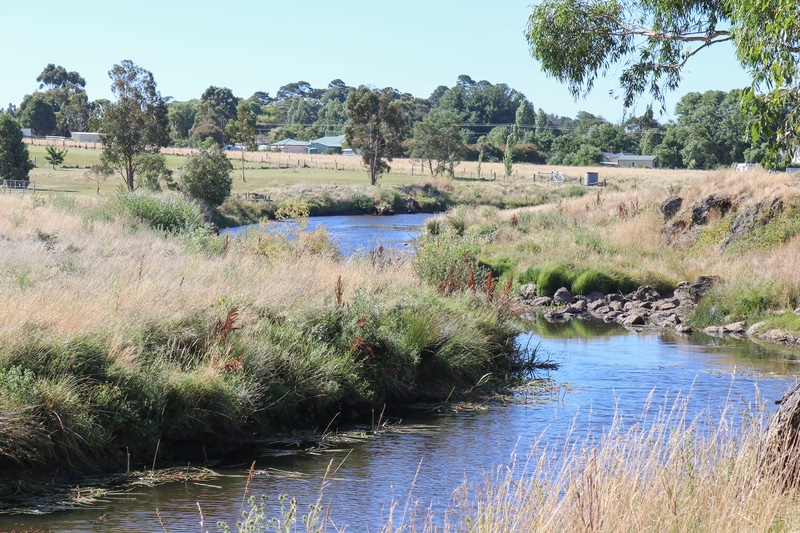
William Henry Terry, known under a string of aliases including Hopkins, Williams, and Mitchell, was convicted at the Castlemaine Circuit Court before Chief Justice Sir William Stawell of the wilful murder of his mate Peter Reddick at the Coliban on 14 July 1862. The case rested on bones and other remains found at the scene, surveyed and mapped for the court. Terry had listened to the prosecution with apparent indifference throughout the trial.

On 31 July 1867, Terry was hanged at Castlemaine Gaol before around 100 witnesses. The execution was badly botched: too thick a rope and an improperly adjusted noose left him convulsing for eleven minutes, with the hangman pressing down on his shoulders to hasten death. Standing on the scaffold, Terry forgave those he blamed for his conviction, naming two detectives, Hockey and his daughter, and a man called Dring, accusing them of perjury.

Terry made no confession of the murder itself, though he had told the attending Wesleyan minister that he deserved to die for his many crimes.

Coliban River
Coliban River

⬅ See all events from 31 July

Spread the word on your favourite platform!
On This Day in True Crime History

Subscribe to Dark Stories

True crime stories, dark history and tour news, straight to your inbox.