1986: Carved with a Scarlet Letter: The Unsolved Murder of Beth Barnard on Phillip Island

In the early hours of September 23, 1986, 23-year-old penguin parade worker Beth Barnard was found stabbed to death in a house on Phillip Island, Victoria. A blanket had been placed over her body, but beneath it her throat had been cut, her nightgown pushed up, and her body slashed and stabbed repeatedly, with defensive wounds on her hands. Cigarette butts and a knife lay near the body, and bloodied paper towels were stuffed around the bathroom sink.

Carved into her chest was a knife wound resembling the letter A, leading some to dub the killing the Scarlet Letter murder. Barnard had been having an affair with her married employer, Fergus Cameron, a founding shareholder of the Phillip Island Grand Prix. The night before her body was found, his wife, 36-year-old Vivienne Cameron, learned the truth and smashed a wine glass across his head and back before driving him to hospital.

Fergus spent that night at his sister’s house while Vivienne asked friends to mind their two young sons. She then vanished and was never seen again. A coroner later found that Vivienne had contributed to Beth Barnard’s death and concluded that she had taken her own life by jumping from the nearby San Remo Bridge, although her body has never been recovered.
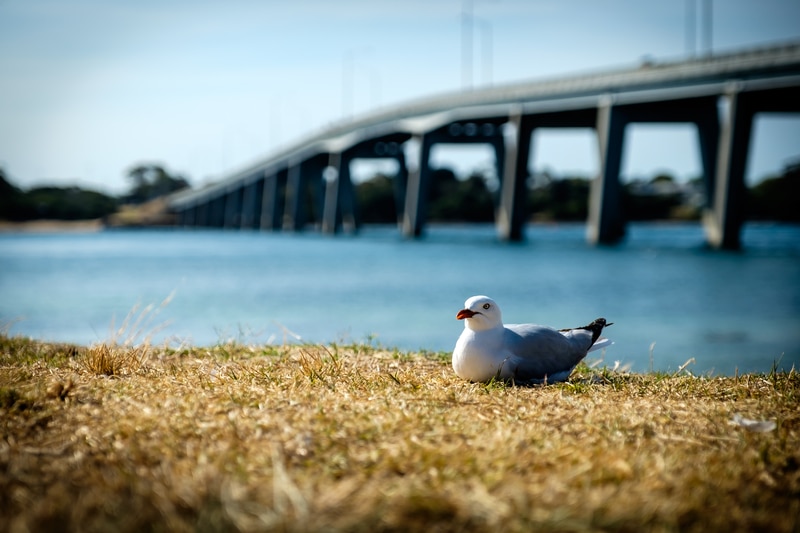

Seagull portrait on grass with San Remo Bridge blurred behind

⬅ See all events from 23 September

Spread the word on your favourite platform!

1916: He Ruined My Life’: Antonio Picone Hanged at Melbourne Gaol for a Market Shooting

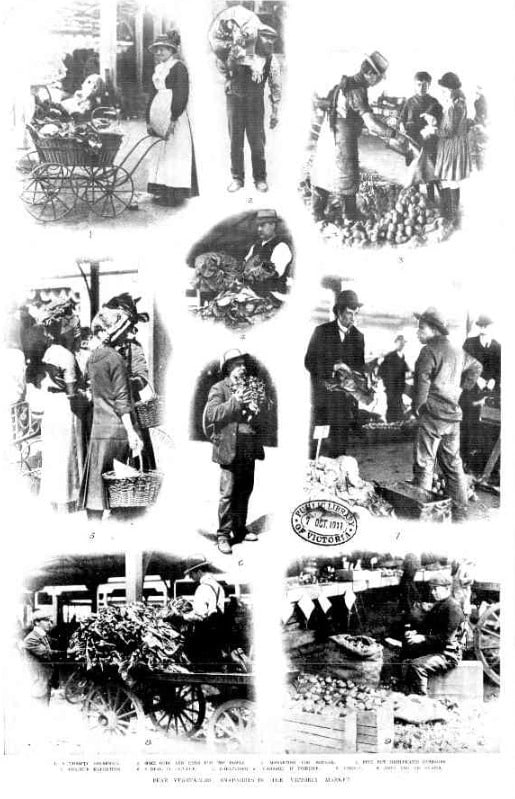
At 4 a.m. on 25 July 1916, three revolver shots rang out at the Queen Victoria Market in Melbourne. Joseph (Giuseppe) Lauricella, a 32 year old Carlton fruiterer buying tomatoes for his shop, fell dead with wounds to the head and neck. His killer, laborer Antonio Picone, fled through a market shed still clutching a smoking revolver before being tackled and held by a bystander, until police arrived.

Picone, wearing a military reject badge in his lapel, was hauled before the City Court that same day. When the charge was read he insisted, “I didn’t do it,” yet detectives testified he had already told them why he pulled the trigger: “He robbed me of my bread, disgraced me, ruined the whole of my life.”

Despite his courtroom denial, Picone had already given detectives his own account of the killing, telling them plainly it was revenge for the ruin of his livelihood and reputation. Picone was convicted of murder and hanged at Melbourne Gaol on 18 September 1916.

Victoria Market Melbourne 1911 Still In Operation Today

⬅ See all events from 18 September

Spread the word on your favourite platform!

1889: He Gave Away His Victim’s Wedding Ring: Hanged at Melbourne Gaol for the Carlton Murder

Annie Thornton, was murdered in her home at Carlton, a suburb of Melbourne, on the night of 10 July 1889. Piercing screams were heard coming from the house that night, but no neighbour intervened and nothing was reported to police until the inquest weeks later.

The man committed for trial, Filipe Castillo, showed almost total indifference to his fate. On the very night of the killing he was seen with another woman and showed her a bloodstained waistcoat, claiming it came from a cut to his arm. He then handed out jewellery stolen from the dead woman to several other women, including the wedding ring he had taken from her finger.

The murdered woman’s husband, Henry Thornton, had been living apart from his wife and was working in Ballarat at the time. On hearing of the killing he walked into the Ballarat watch-house himself, gave a detailed account of his movements and produced letters proving he had not seen his wife since parting from her on good terms months earlier; he was cleared of any involvement.

At the inquest a verdict of wilful murder was returned, and the accused was described as remarkably unconcerned throughout the proceedings. He was tried, convicted and hanged at Melbourne Gaol on 16 September 1889 for one of the most brutal and cold-blooded murders Melbourne had seen.

Bag of jewels spilled open with gems falling out

⬅ See all events from 16 September

Spread the word on your favourite platform!

1897: “My Poor Boy, My Charlie”: A Mother’s Anguished Cry Before Her Son Was Hanged for Murder

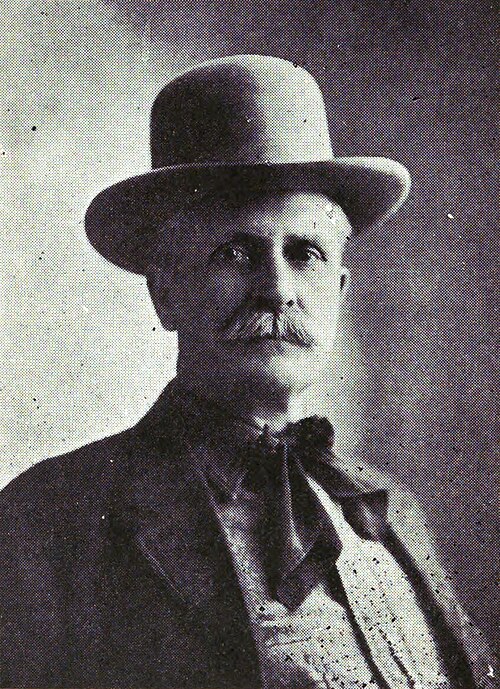
Charles John Hall murdered his wife Minnie at Eaglehawk, near Bendigo, on 11 February 1897. The crime shocked a district where Hall had been well known for very different reasons. A talented and athletic footballer nicknamed “John Bull,” he had been, according to one contemporary newspaper, “the idol of the hour” only a year earlier. He was convicted of Minnie’s murder and sentenced to death at Bendigo Gaol on 13 September 1897.

The night before, his parents were allowed a final visit, a scene warders later described as worse to witness than the hanging itself. His mother collapsed, shrieking through the gaol, “My poor boy, my Charlie,” before being carried to a cab and put to bed at home. Hall himself broke down during the visit. On the morning of his execution, he walked firmly to the scaffold and looked steadily at the hangman as the noose was fixed. Asked for his final words, Hall replied quietly, “I commit my soul to God.”

Outside the gaol a large crowd gathered, mostly women and children, with harsh feeling directed at Hall but deep sympathy for his grieving parents.

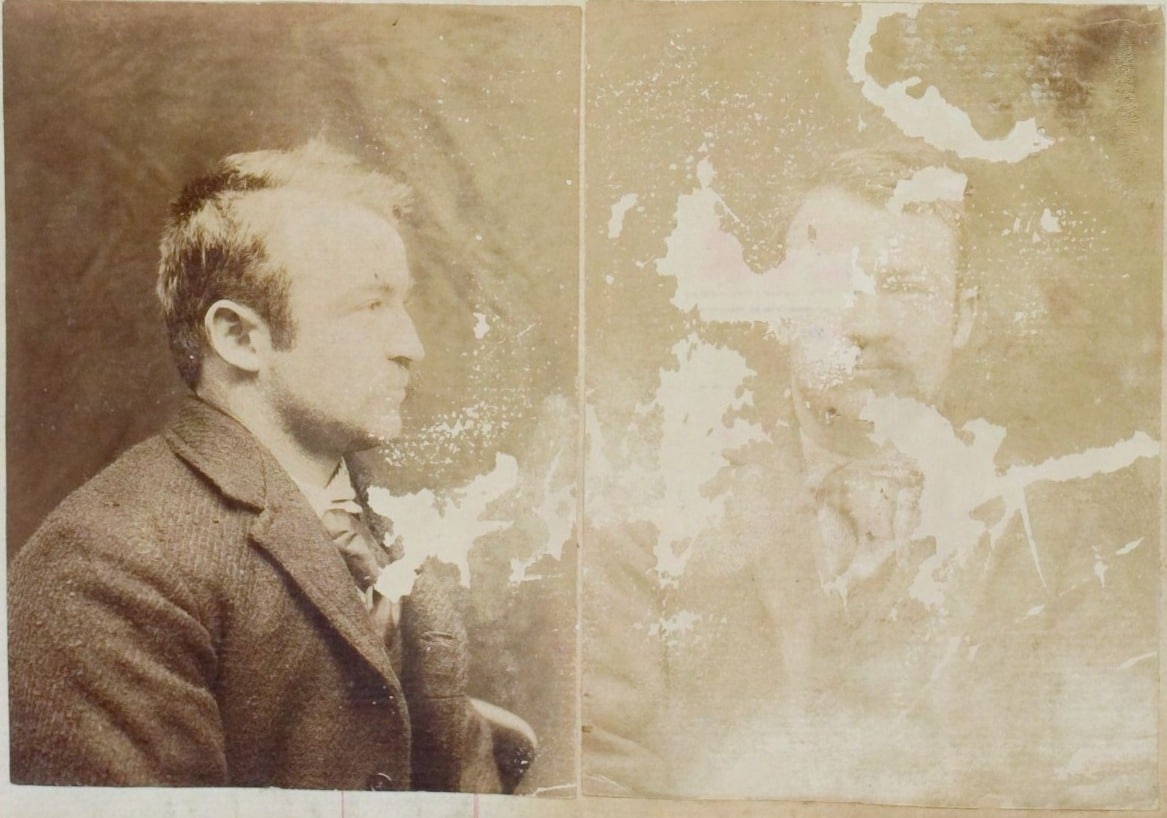
Charles John Hall, prisoner no. 27965, 1897. Public Record Office Victoria, VPRS 515/P0000, Central Register of Male Prisoners, Volume 51, p. 208. Out of copyright.

⬅ See all events from 13 September

Spread the word on your favourite platform!
On This Day in True Crime History

Subscribe to Dark Stories

True crime stories, dark history and tour news, straight to your inbox.