1666: The False Confession That Sent an Innocent Man to the Gallows for the Great Fire of London

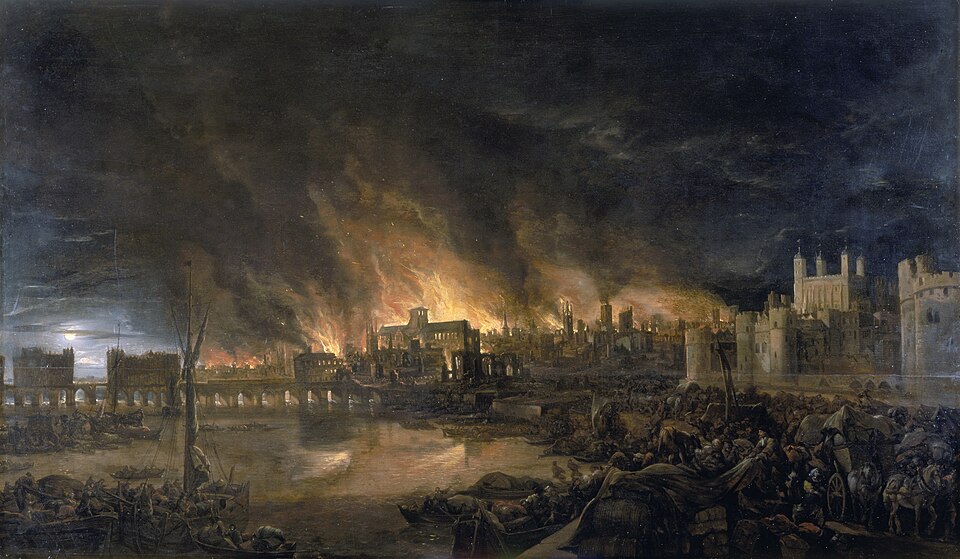
Robert Hubert, a French watchmaker, confessed to starting the Great Fire of London, claiming he had thrown a fireball through a bakery window to set the blaze alight. Records showed he had not even set foot in England until two days after the fire began, and neither the judges nor the jury who tried him believed he was guilty.

He was hanged at Tyburn on this day in 1666 anyway. Afterwards, a crowd of Londoners tore his body apart before it could be handed over to the Company of Barber-Surgeons for dissection.

Hubert never withdrew his confession, insisting to the end that he had set the fire, even as the evidence against his own story mounted.

The Great Fire of London

⬅ See all events from 27 October

Spread the word on your favourite platform!

James Booty: The Boy Ravisher of Holborn

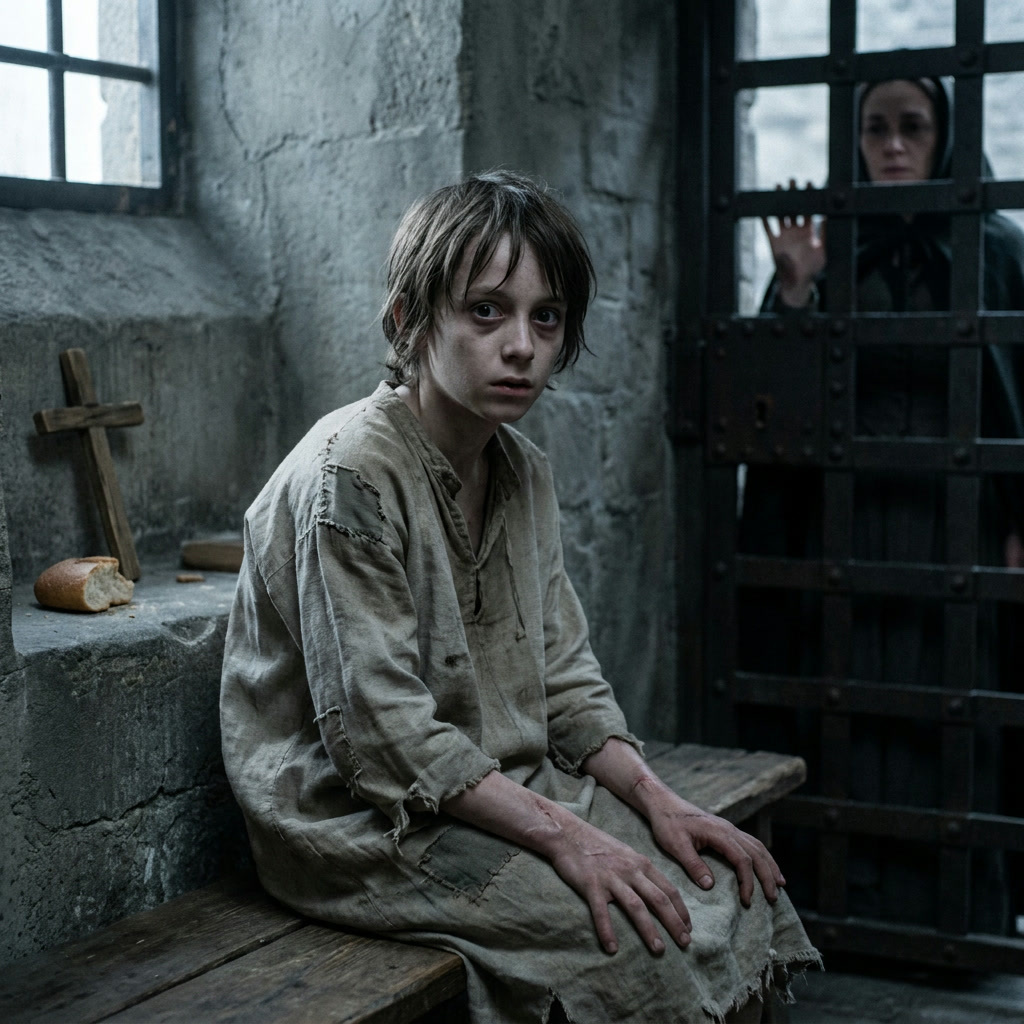
James Booty is barely into his teens when he is apprenticed to a cabinet-maker in Holborn, a fatherless boy left to a mother doing her best in old England. What happens next is a chain of ignorance, disease and violence that will make him one of the youngest people ever to face a capital charge in London.

Infected by an older girl in his master's household, the boy acts on a piece of deadly folk wisdom passed along by workmen: that the cure for his condition is to lie with someone who is sound. The consequences of that belief are shattering.

Step into this grim true crime story and hear what became of the boy they called the ravisher.

James Booty: The Boy Ravisher of Holborn

Follow the podcast so you never miss an episode:

Apple PodcastsSpotifyAmazon MusicMore apps

FROM THE 1735 TEXT

There he heard some of the foolish fellows say that lying with any person who was sound would cure those who were in such a condition.

CASE FILE No. 24
NAMEJames Booty
AGEabout 15
WHEN1722
WHEREHolborn, London
CHARGERavishing a child and transmitting disease
FATEHanged at Tyburn, 21 May 1722
SOURCELives of the Most Remarkable Criminals, 1735
HANGED

Dark Lexicon: Old words. Dark meaning.

The past speaks its own dialect; here is what to listen for in this episode.

Foul distemper: in old England this was the common, half-whispered term for venereal disease; most likely syphilis or gonorrhoea. It carried shame as heavy as its symptoms.

Peruke-maker: a wigmaker. In old England, peruke-makers were skilled tradespeople who served everyone from judges to merchants; the word has vanished, but the powdered wigs live on in courtroom tradition.

Made a shift: today 'making a shift' might suggest changing clothes, but in old England it meant managing with difficulty, scraping together an answer or a plan when none was obvious.

Taken up: arrested. In old England, being 'taken up' meant you had been seized by the authorities; there was no polite knock at the door, just hands on your collar and a march to the nearest magistrate.

Committed to Newgate: sent to London's most notorious prison to await trial. Newgate was a disease-ridden fortress where accused and condemned alike were crammed together in filth.

Sessions: the regular sittings of the criminal court at the Old Bailey. In old England, trials were swift and grouped in batches; a prisoner might wait weeks in gaol only to be tried, convicted and sentenced in a single day.

Ignominious death: a death steeped in public shame. The word 'ignominious' still exists, but in old England it carried a specific legal and spiritual dread: a death that marked you as dishonoured before God and your neighbours alike.

About This Series

Lives of the Most Remarkable Criminals (1735) is one of the earliest works of true crime in the English language. Each week this podcast retells one of its stories for today's listener, keeping the old book's most striking lines.

Spread the word on your favourite platform!
1852: He Escaped the Gallows Once: Patrick Mahon Finally Hanged at Oatlands

Patrick Mahon had faced the gallows before. In 1827, convicted of a highway robbery on the road from Manchester to Sheffield after borrowing a fellow traveller's own knife to rob him, he was sentenced to death at Derby Assizes, a sentence later commuted to transportation for life. He arrived in Van Diemen's Land the following year and spent decades drifting through minor convict offences: insolence, drunkenness, breaches of his pass, a stint in chains.

In September 1852 he was convicted again, this time of a capital crime, and sentenced to death a second time. On this day in 1852, with no reprieve coming this time, Mahon was hanged at Oatlands, the clemency that had saved him twenty five years earlier nowhere to be found.

On being sentenced, Mahon protested his innocence, but told the court he was perfectly satisfied with his trial.

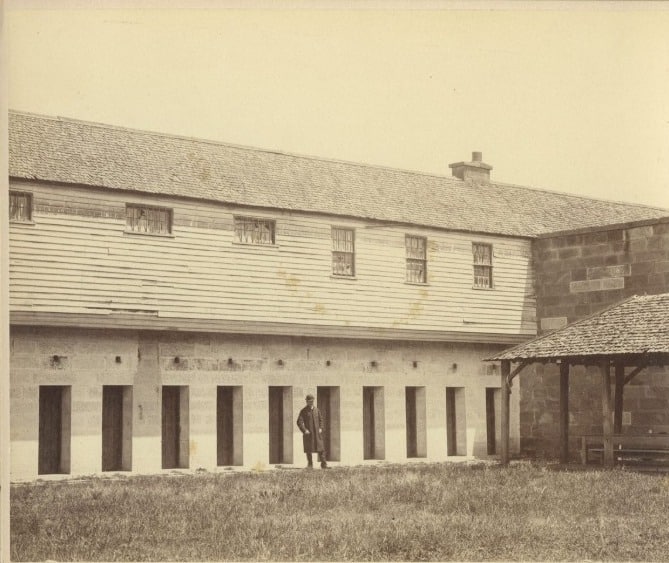
Interior of the Oatlands gaol Tasmania convict era prison cells

⬅ See all events from 26 October

Spread the word on your favourite platform!

1983: Fifty Notebooks of Confession: the Trial of Dennis Nilsen Begins

Dennis Nilsen's trial opened on this day in 1983, more than a year after police finally traced human remains blocking the drains outside his London home. He had preyed on homeless and vulnerable men he met in pubs, luring them back to his flat before killing them, and once arrested he confessed with chilling thoroughness, filling fifty notebooks with the details of his crimes.

Charged with killing 15 men, Nilsen entered a plea of not guilty by reason of diminished responsibility as proceedings began, arguing that a disturbed mental state, not deliberate will, lay behind the killings.

Dennis Nilsen Wax Figure at Madame Tussauds London. LONDON, UK - JANUARY 28, 2025: A chilling wax figure of Dennis Nilsen, the infamous British serial killer, displayed at Madame Tussauds London in a prison themed setting with eerie lighting | ID 397256916 © Sergii Figurnyi | Dreamstime.com
ID 397256916 © Sergii Figurnyi | Dreamstime.com

⬅ See all events from 24 October

Spread the word on your favourite platform!
On This Day in True Crime History
1858·The Rope Broke, So They Hanged Him Again: Samuel Gibbs Executed in Melbourne for the Murder of His Wife
1858·He Named Four Innocent Men as the Killers: Hanged in Melbourne for a Ballarat Murder
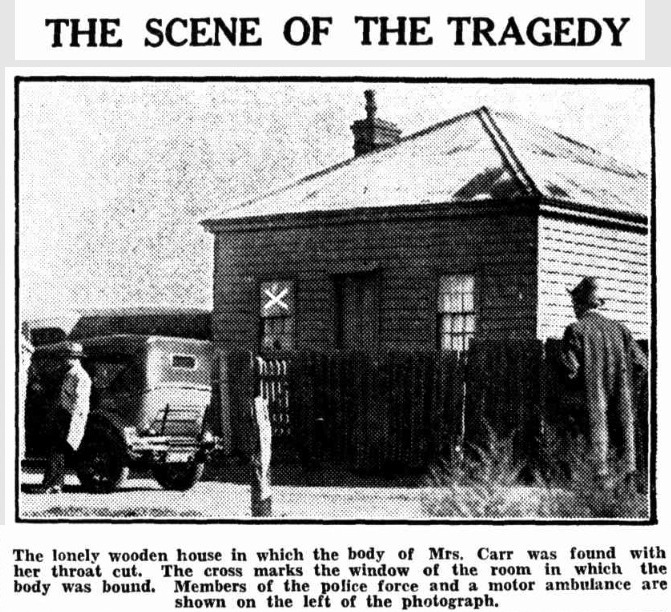
1929·She Asked for a Kiss, Then Bled to Death: Frederick Carr Hanged in Adelaide for Murdering His Wife
1963·The Royal Commission That Cleared Brisbane Police, Then Unravelled as a Cover-up
More Crime On This Day →

Subscribe to Dark Stories

True crime stories, dark history and tour news, straight to your inbox.