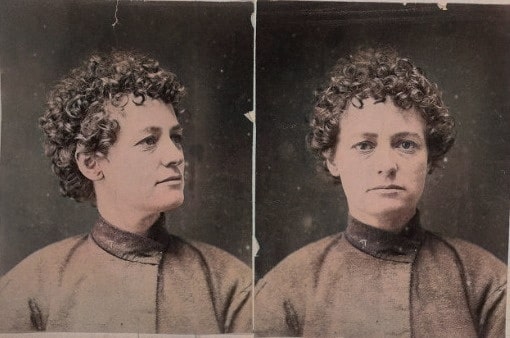
2002: Ian Huntley Lures Two Girls Into His Home and Murders Them

Ian Huntley, a caretaker at Soham Village College in Cambridgeshire, England, murdered ten-year-olds Holly Wells and Jessica Chapman on 4 August 2002. Despite a history of sexual offending involving minors, Huntley had secured a position at the school. He used his girlfriend Maxine Carr’s connection to the girls, both pupils at the local primary school where Carr worked as a teaching assistant, to lure them inside his home as they walked past.

Carr provided Huntley with a false alibi for that night. Both were later arrested and tried. Huntley was convicted of double murder in 2003 and sentenced to two life terms. Carr was convicted of perverting the course of justice and served a portion of her sentence before release under a new identity.


Ian Huntley Lures Two Girls Into His Home and Murders Them

⬅ See all events from 4 August

Spread the word on your favourite platform!

1916: Knighted Diplomat Hanged for Treason After Failed Easter Rising Mission

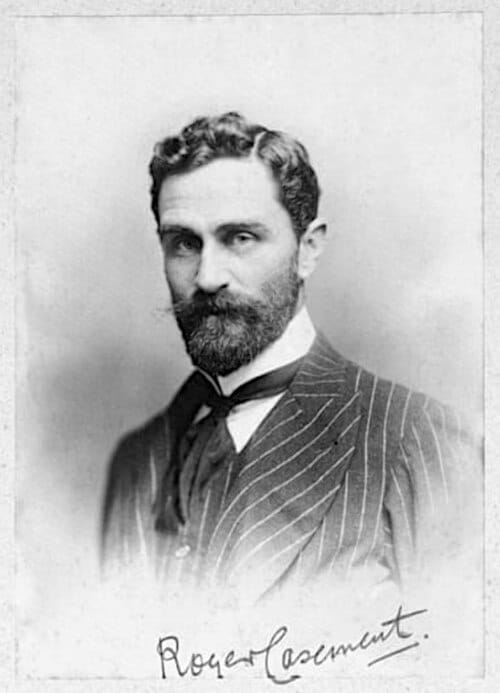
Sir Roger Casement, the British consul who had been honoured for exposing colonial atrocities in the Congo and Peru, was hanged at Pentonville Prison in London on 3 August 1916. Once celebrated as the ‘father of twentieth-century human rights investigations’, he had spent the war years seeking German military support for the Easter Rising before being arrested on the Kerry coast just days before the uprising began.

Stripped of his knighthood, he was tried and convicted of high treason. During and after the trial, British intelligence circulated typescripts of private journals, said to be in Casement’s hand, that detailed homosexual activity. The material, illegal under the laws of the time, was used to undermine calls for clemency. He was executed at 49, and the authenticity of those diaries has been disputed by scholars ever since.

Portrait of Sir Roger Casement in formal attire

⬅ See all events from 3 August

Spread the word on your favourite platform!

1910: Dr Crippen Captured at Sea, the First Fugitive Caught by Wireless Telegraph

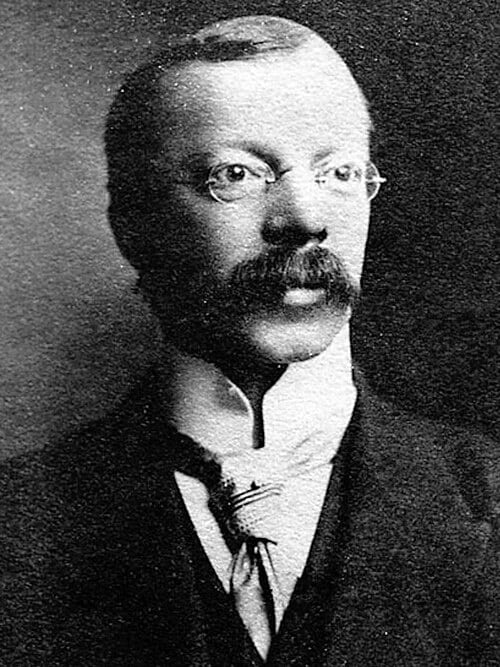
American homeopath Hawley Harvey Crippen became one of history’s most notorious wife-murderers when his second wife, Cora, vanished after a dinner party at their home in Holloway, London, on the night of 31 January 1910. Crippen claimed she had returned to the United States and later died there, but Scotland Yard grew suspicious when his mistress, Ethel Le Neve, was seen openly wearing Cora’s jewellery. When police dug up the cellar at 39 Hilldrop Crescent, they found human remains.

Crippen and Le Neve fled aboard the SS Montrose bound for Canada. The ship’s captain, recognising the fugitives, used the newly available wireless telegraph to alert Scotland Yard. Chief Inspector Walter Dew boarded a faster ship, intercepted the Montrose, and arrested Crippen mid-Atlantic on 31 July 1910, making him the first criminal in history captured with the aid of wireless telegraphy. Crippen was returned to London, tried at the Old Bailey, convicted of murder, and hanged at Pentonville Prison on 23 November 1910.

Portrait of Dr Crippen early 1900s suspect in murder case

⬅ See all events from 31 July

Spread the word on your favourite platform!

1540: Thomas Cromwell Beheaded on Tower Hill for Treason Against Henry VIII

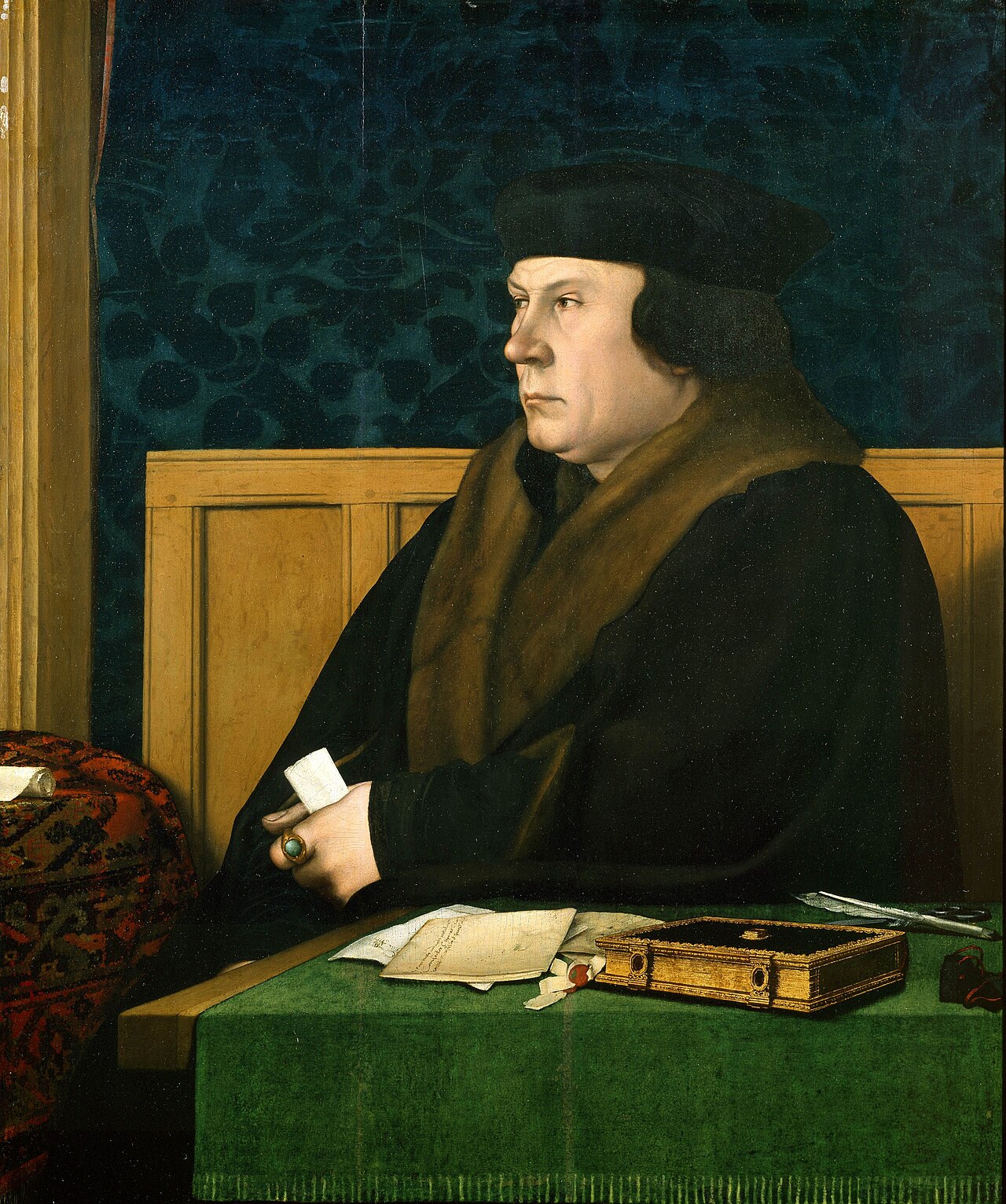
Thomas Cromwell, chief minister to King Henry VIII and chief architect of the English Reformation, was executed on Tower Hill on 28 July 1540. Born around 1485 in Putney, Surrey, he had risen from humble origins to become the most powerful man in England after the king, reshaping both church and government. His downfall came after he arranged the king’s disastrous marriage to Anne of Cleves, a union annulled within six months. Arraigned under an act of attainder for treason and heresy, he was beheaded without trial.

On the same day Cromwell lost his head, Henry VIII married his fifth wife, Catherine Howard. Henry later expressed deep regret at the execution of his chief minister, widely regarded as one of the most consequential acts of his reign.

Portrait of Thomas Cromwell Tudor statesman

⬅ See all events from 28 July

Spread the word on your favourite platform!
On This Day in True Crime History
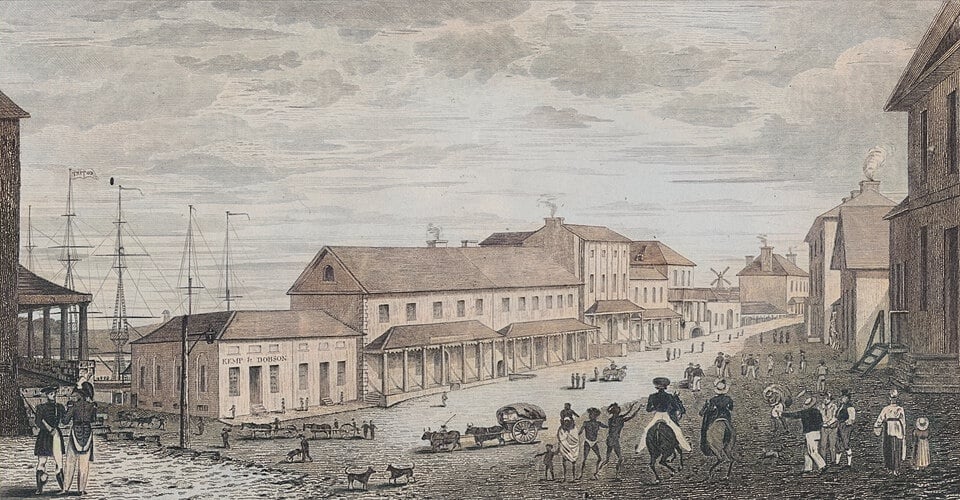
1829·Beaten Unconscious Within Sight of the Gaol Wall: Hanged in Sydney for a Brutal Robbery
1894·Caught Serving Poisoned Tea: Martha Needle Hanged in Melbourne for a Family Poisoning Spree
More Crime On This Day →

Subscribe to Dark Stories

True crime stories, dark history and tour news, straight to your inbox.