1786: Britain Decides to Dump Its Criminal Class on the Far Side of the World

In 1786, Britain faced a crisis of its own making. Decades of the so-called bloody code had swollen the criminal class with petty offenders, American independence had slammed shut the old dumping ground of the colonial plantations, and the gaols were bursting. The solution settled upon was audacious: ship Britain's unwanted more than 15,000 miles to New South Wales, a coastline only recently mapped by Captain Cook, who had praised the land around Botany Bay.

Over the next 80 years, more than 160,000 men and women were transported to Australia and Van Diemen's Land. Transportation meant total erasure: the loss of home, family, and identity, followed by a brutal sea crossing and survival in an utterly foreign land. Yet for many, the far side of the world offered something the old country never would: a second chance.

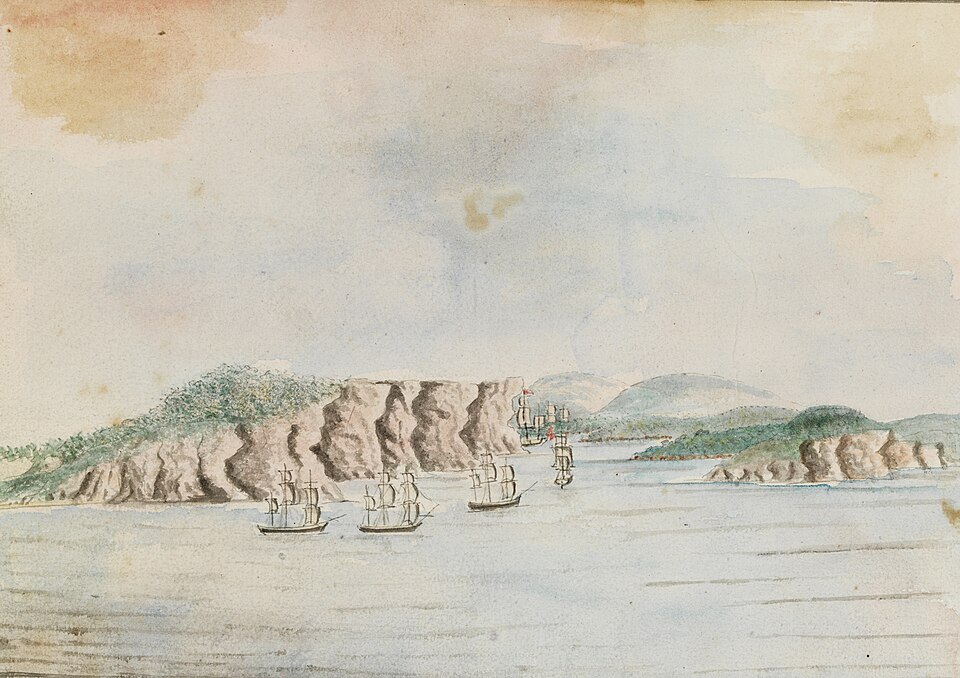
First Fleet ships entering Sydney Harbour 1788 illustration

⬅ See all events from 18 August

Spread the word on your favourite platform!

James Wright: The Weeping Highwayman of Old England

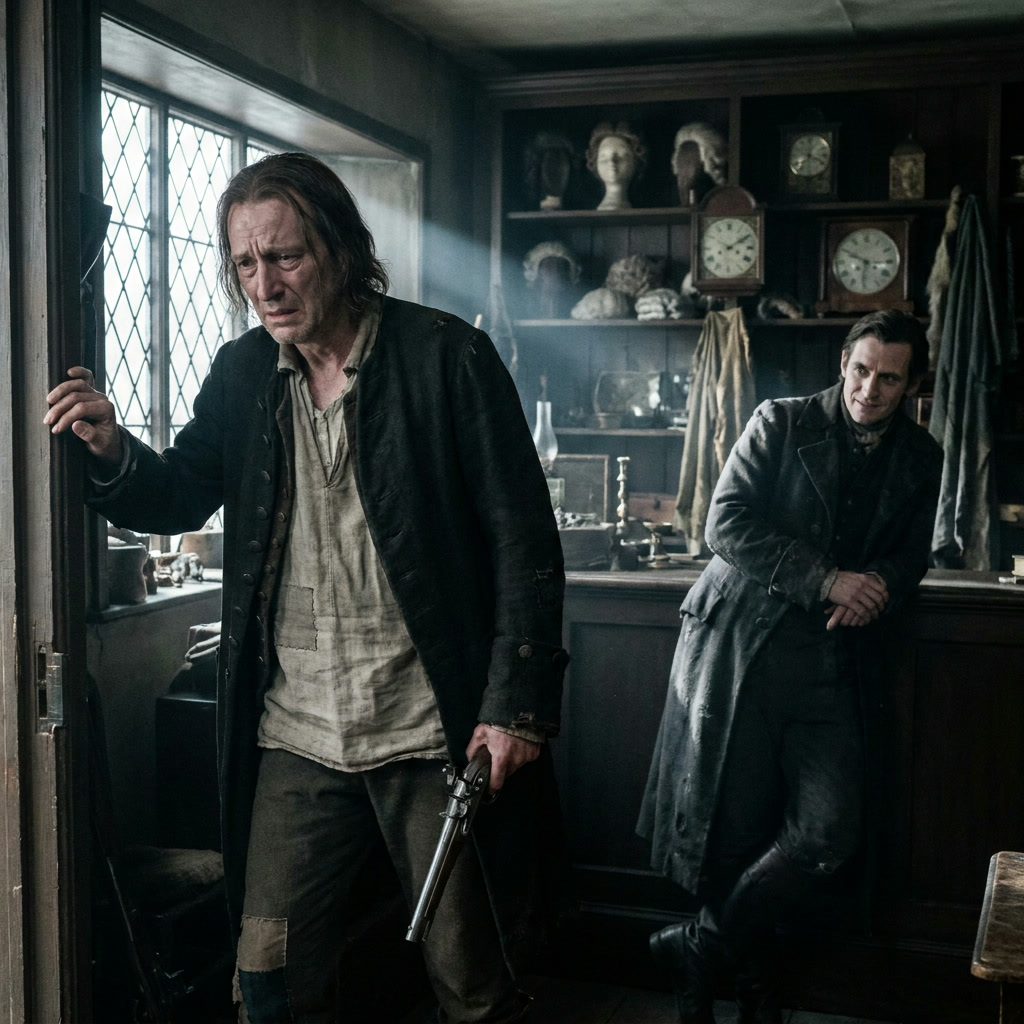
James Wright is a man who robs travellers on the roads of old England with tears running down his face. Born in Enfield to honest, hardworking parents, he is apprenticed to a peruke-maker and sets up shop in the Old Bailey: a respectable start that unravels when his appetite for women and leisure drains every penny he earns.

Reduced to downright want, Wright convinces himself that taking from the rich is a lesser sin; he never robs a poor man. It is a distinction that lets him sleep at night: but the roads of old England are not forgiving places, and the line between a gentleman thief and a condemned man is thinner than he knows.

Listen now and follow James Wright down the darkening road where conscience and crime ride side by side.

James Wright: The Weeping Highwayman of Old England

Follow the podcast so you never miss an episode:

Apple PodcastsSpotifyAmazon MusicMore apps

FROM THE 1735 TEXT

hardly ever robbing a passenger without tears in his eyes

CASE FILE No. 14
NAMEJames Wright
AGEabout 34
WHEN1721
WHERESurrey, London, Marlborough Street
CHARGEHighway robbery
FATEHanged, 22 December 1721
SOURCELives of the Most Remarkable Criminals, 1735
HANGED

Dark Lexicon: Old words. Dark meaning.

The past speaks its own dialect; here is what to listen for in this episode.

Peruke-maker: a craftsman who made perukes, the elaborate powdered wigs that were standard wear for respectable men in old England. It was a skilled and profitable trade: enough to set a young man up in life, if he could keep his spending in check.

Equipage: today this word sounds quaint, but in old England it meant the visible trappings of wealth: a fine coach, liveried servants, matched horses. Wright used a victim's equipage the way a modern thief might size up a luxury car; the grander the display, the fatter the purse inside.

Impeached: in modern English, impeachment is a formal charge against a head of state. In old England it meant something more personal and more dangerous: to be accused or informed upon by a former associate. Being impeached by a companion was often a death sentence, because the informer's testimony came with firsthand knowledge no alibi could shake.

Assizes: the travelling courts that moved through the counties of old England, bringing royal justice to places far from London. An acquittal at the assizes in Kingston gave Wright a second chance; it also gave him a false sense of safety.

Newgate: London's most notorious gaol, a place of filth, disease and dread. Prisoners awaiting execution spent their final days here, sometimes attending chapel in its walls: a grim rehearsal for the hereafter.

Malefactor: a wrongdoer or criminal. In old England the word carried a heavier moral weight than it does today; it marked a person not just as a lawbreaker but as someone who had chosen evil.

Ignominious: shameful, deeply dishonourable. Wright used the word himself when refusing to name his associates; he did not want to send them to an ignominious death. The public hanging was designed to be exactly that: a spectacle of shame as much as punishment.

About This Series

Lives of the Most Remarkable Criminals (1735) is one of the earliest works of true crime in the English language. Each week this podcast retells one of its stories for today's listener, keeping the old book's most striking lines.

Spread the word on your favourite platform!
1820: Rebecca Worlock Hanged at Gloucester Prison for Poisoning Her Husband

Rebecca Worlock, a 37-year-old mother of three from Oldland and Bitton in Gloucestershire, poisoned her husband Thomas with arsenic in April 1820. She had purchased the poison from a pharmacy at Kingswood Hill, telling a stranger she had enlisted to accompany her that it was not for rats but for her husband. Thomas died on 21 April after falling ill following a beer laced with the substance; a post-mortem confirmed poisoning and Rebecca was arrested.

Tried at Gloucester Assizes on 14 August 1820, the jury convicted her in just seven minutes. She was hanged at Gloucester Prison two days later, on 16 August, before a large crowd that had travelled from her home villages. Her body hung for an hour before being handed over to surgeons for dissection.

Worlock confessed to the murder before her execution.

Poison
Poison

⬅ See all events from 16 August

Spread the word on your favourite platform!

1963: Henry Burnett Hanged at Craiginches Prison, the Last Execution in Scotland

On August 15, 1963, Henry John Burnett was hanged at Craiginches Prison in Aberdeen by executioner Harry Allen, becoming the last person executed in Scotland and the first in Aberdeen since 1891. His crime: the murder of merchant seaman Thomas Guyan, shot in the face at close range after Burnett broke into the Guyan family flat on May 31, 1963, furious that his lover Margaret May Guyan had chosen to return to her husband.

Burnett had become obsessively controlling of Margaret, locking her in his flat at Skene Terrace when he went out. On the day of the murder, after she announced she was returning to Thomas, Burnett stole a shotgun from his brother's home in the Bridge of Don area of Aberdeen, boarded a bus to Jackson Terrace, and shot Guyan dead. He was tried at the High Court in Aberdeen between July 23 and 25, 1963, convicted, and executed three weeks later. A crowd of around 200 gathered outside the prison gates.

Scotland flag
Scotland flag

⬅ See all events from 15 August

Spread the word on your favourite platform!
On This Day in True Crime History
1858·The Rope Broke, So They Hanged Him Again: Samuel Gibbs Executed in Melbourne for the Murder of His Wife
1858·He Named Four Innocent Men as the Killers: Hanged in Melbourne for a Ballarat Murder
1929·She Asked for a Kiss, Then Bled to Death: Frederick Carr Hanged in Adelaide for Murdering His Wife
1963·The Royal Commission That Cleared Brisbane Police, Then Unravelled as a Cover-up
More Crime On This Day →

Subscribe to Dark Stories

True crime stories, dark history and tour news, straight to your inbox.