1927: John Robinson Hanged for the Charing Cross Trunk Murder

In May 1927, a large black trunk deposited at Charing Cross railway station in London began to emit a foul smell. When police opened it on 10 May, they found the dismembered body of a woman, her limbs individually wrapped in brown paper. A laundry tag traced the victim to Minnie Alice Bonati, a domestic servant who supplemented her income through prostitution. She had gone to the Rochester Row office of estate agent John Robinson, 35, and died there following an argument over money.

Robinson claimed Bonati had attacked him, that he pushed her away and she fell and struck her head. Forensic pathologist Bernard Spilsbury contradicted this at trial, testifying she had been knocked unconscious and deliberately asphyxiated. Tried at the Old Bailey, Robinson was convicted on Spilsbury’s evidence and hanged on 12 August 1927.
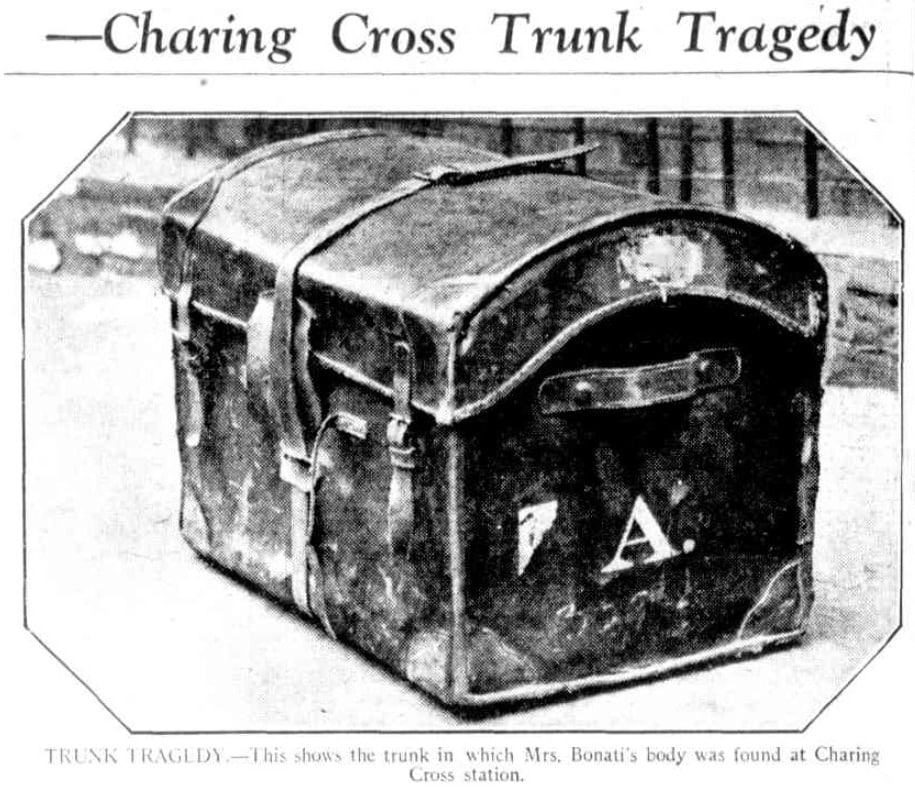

Trunk in which Mrs Bonati body was found at Charing Cross station

⬅ See all events from 12 August

Spread the word on your favourite platform!

1964: Great Train Robber Charlie Wilson Breaks Free from Winson Green Prison

In August 1963, fifteen masked men ambushed the Glasgow to London Royal Mail train near Buckinghamshire, making off with 120 bags of cash totalling a record 2.6 million pounds. Police traced the gang to Leatherslade Farm within days, and Charlie Wilson, then 32, was among those arrested. In April 1964 he was sentenced to 30 years.

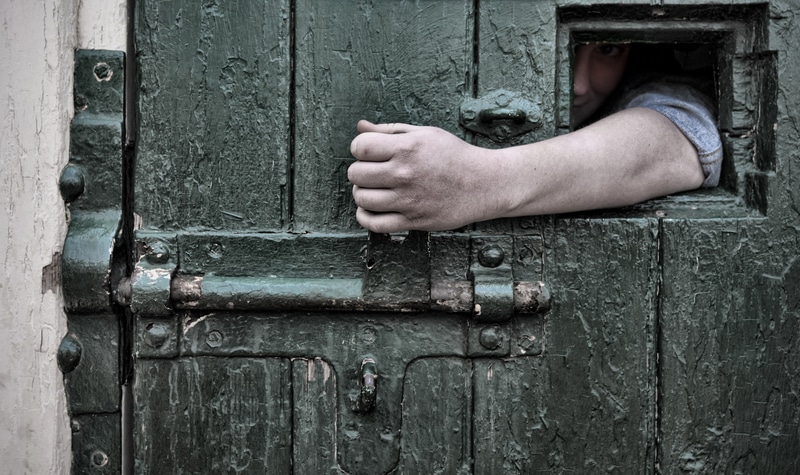
Just four months into his sentence, on 12 August 1964, several men broke into the maximum-security Winson Green Prison in Birmingham and freed Wilson in a brazen outside job. He evaded capture for over three years before being recaptured in Canada on 24 January 1968, returned to England, and made to serve out his term. Wilson later moved to Spain, where he allegedly became involved in drug trafficking, and was shot dead on 23 April 1990.

Arm reaches through jail window to open door escape scene

⬅ See all events from 12 August

Spread the word on your favourite platform!

991: Ealdorman Byrhtnoth Killed as Vikings Crush the Saxons at Maldon

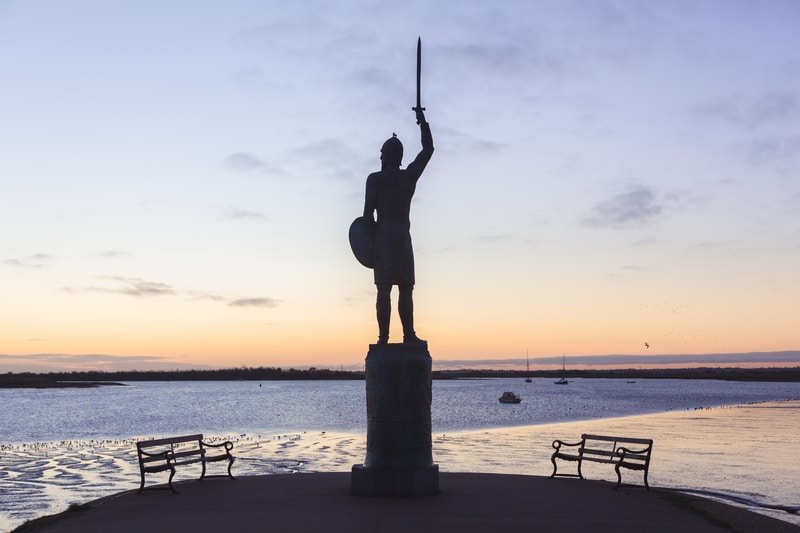
On 11 August 991, a Viking force under Norwegian king Olaf Tryggvason met the Anglo-Saxon fyrd of Essex at Maldon, on the Essex coast. Ealdorman Byrhtnoth, around sixty years old and said to stand nearly seven feet tall with swan-white hair, commanded the Saxon defence. In a fateful act of chivalric pride, he permitted the Vikings to cross a tidal causeway to fight on open ground. The decision proved catastrophic: Byrhtnoth fell in the battle, reportedly taking three men to kill, one of them nearly severing his arm.

The defeat became one of the defining disasters of late Anglo-Saxon England, accelerating the payment of Danegeld to Viking raiders. Byrhtnoth was buried at Ely Abbey, a monastery he had richly endowed with villages and lands. His widow presented the abbey with an embroidered tapestry commemorating his deeds. The battle inspired a celebrated Old English poem, and when his remains were examined in 1781, his skeleton confirmed the legendary stature: 6 feet 9 inches in height.

The Statue of Byrhtnoth at the end of Maldon Promenade in Essex, England | ID 211153857 © Jonathanritchie1990 | Dreamstime.com
ID 211153857 © Jonathanritchie1990 | Dreamstime.com

⬅ See all events from 11 August

Spread the word on your favourite platform!

1949: The Acid Bath Murderer: John Haigh Hanged for Six Killings

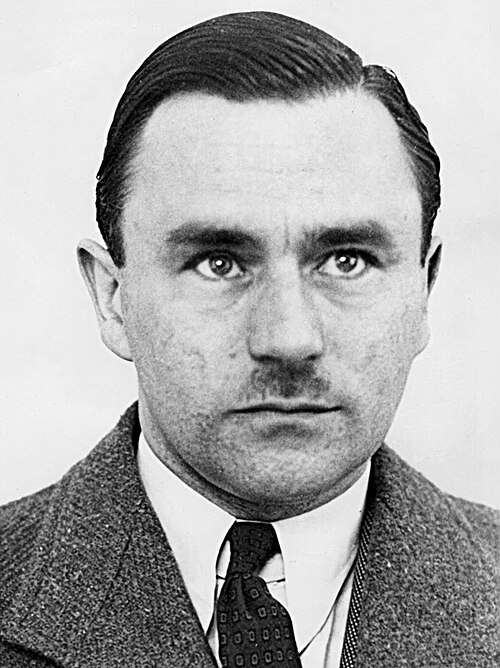
John George Haigh was an English serial killer who battered or shot his victims, then dissolved their bodies in sulphuric acid to erase all evidence. He forged his victims’ signatures to sell their possessions and collect large sums of money, a scheme he had refined through years of fraud and multiple prison terms. Though convicted of six murders, Haigh claimed to have killed nine.

Born in Stamford, Lincolnshire, and raised in Yorkshire by strict Plymouth Brethren parents, Haigh drifted from fraud into murder after becoming fascinated by French killer Georges-Alexandre Sarret, who had used acid to dispose of bodies. He was arrested in 1949 after police connected him to the disappearance of a widow whose remains, including gallstones and false teeth, survived the acid and were found at his workshop in Crawley, Sussex. Haigh was convicted at Lewes Assizes and hanged at Wandsworth Prison on 10 August 1949.

Portrait of john george haigh

⬅ See all events from 10 August

Spread the word on your favourite platform!
On This Day in True Crime History
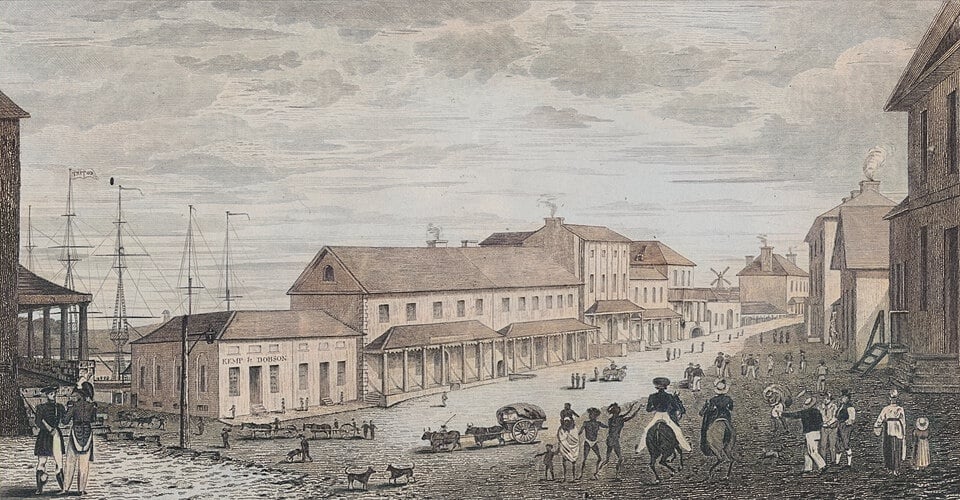
1829·Beaten Unconscious Within Sight of the Gaol Wall: Hanged in Sydney for a Brutal Robbery
1894·Caught Serving Poisoned Tea: Martha Needle Hanged in Melbourne for a Family Poisoning Spree
More Crime On This Day →

Subscribe to Dark Stories

True crime stories, dark history and tour news, straight to your inbox.