1666: The False Confession That Sent an Innocent Man to the Gallows for the Great Fire of London

Robert Hubert, a French watchmaker, confessed to starting the Great Fire of London, claiming he had thrown a fireball through a bakery window to set the blaze alight. Records showed he had not even set foot in England until two days after the fire began, and neither the judges nor the jury who tried him believed he was guilty.

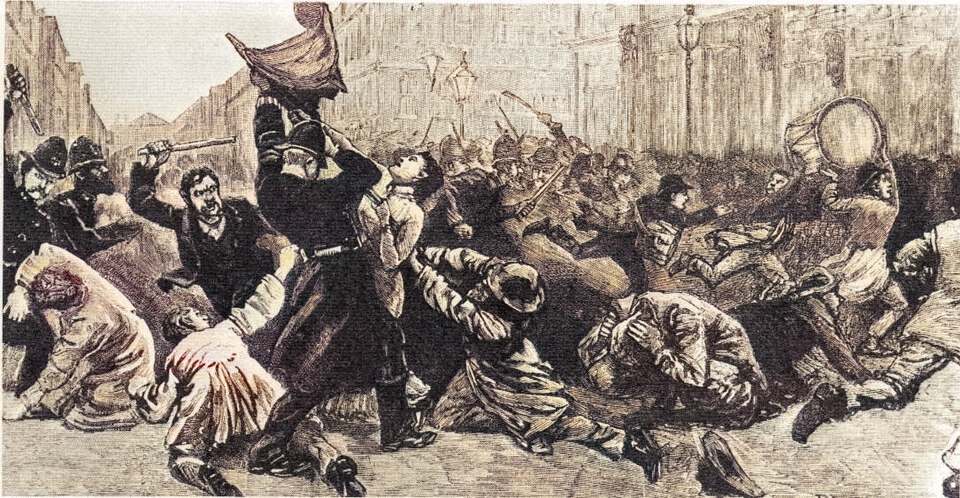
He was hanged at Tyburn on this day in 1666 anyway. Afterwards, a crowd of Londoners tore his body apart before it could be handed over to the Company of Barber-Surgeons for dissection.

Hubert never withdrew his confession, insisting to the end that he had set the fire, even as the evidence against his own story mounted.
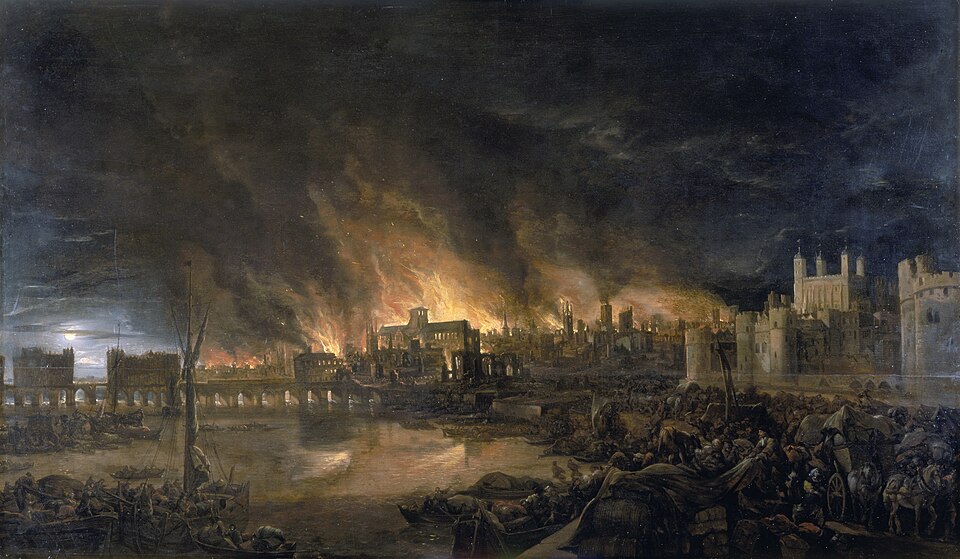

The Great Fire of London

⬅ See all events from 27 October

Spread the word on your favourite platform!

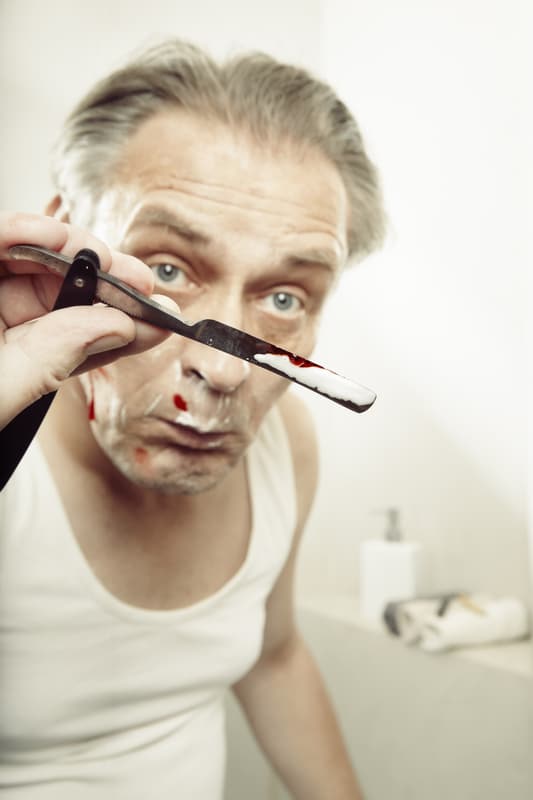
1851: A Razor Hidden in His Pocket: Hanged at Oatlands for Slashing a Constable Across the Face

John Crisp was already serving a life sentence for stealing four ducks and two turkeys when he was being escorted to the watch-house at Swanport by two constables. Within sight of the building, he drew a razor from his pocket and slashed the prosecutor, William Donohoo, across the face, a gash running from near his mouth almost to his left ear.

Crisp was tried and convicted of wounding with intent to inflict grievous bodily harm, and was hanged at Oatlands on this day in 1851. The second constable escorting him, a pensioner on his very first night of duty, resigned from the force the following day.

Razor Blades: Good for shaving...and for murder

⬅ See all events from 27 October

Spread the word on your favourite platform!

1857: Abandoned by His Own Chaplain: A Shepherd Hanged at Oatlands for a Poisoning Plot

Abraham Munday, a shepherd working the east coast of Tasmania near Swansea, laced a rival shepherd's flour with arsenic, hoping to kill George White. White survived only because the dose was so large it made him vomit it back up. An old man named Hamilton, who happened to share a piece of the poisoned bread while visiting the hut, was not so fortunate: the arsenic settled in his joints and left him crippled for life.

Munday was convicted and sentenced to death. He was hanged within the gaol at Oatlands on this day in 1857, and went to the scaffold badly shaken, not only by his fate but because the clergyman who had attended him in his final days, the Reverend Mr Ison, refused to walk up to the drop with him.

Antique apothecary poison bottle

⬅ See all events from 27 October

Spread the word on your favourite platform!

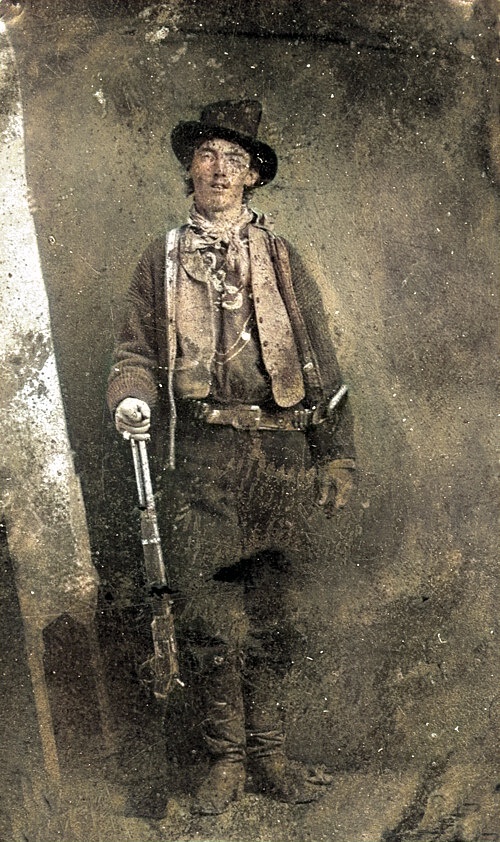
1857: The Bullet That Shaved His Whiskers: "Long Mickey" Hanged at Oatlands for Murder

George Sturgeon, a settler near Oatlands in Tasmania, was found shot dead on a bush track in July 1856, killed by a gang of bushrangers after leaving home with money in his pocket. A huge reward sent police after the gang, including a notorious outlaw known as "Long Mickey", by then the self-styled terror of the Midland Districts.

He was finally cornered in a shepherd's hut over a year later and opened fire through the walls as police closed in. One shot passed clean through the thatch gripped in a pursuing constable's hand; a return shot shaved off part of Long Mickey's whisker, and he surrendered, begging not to be ill-used, as he knew he would hang for the Sturgeon killing.

Convicted after trial, he was hanged inside the gaol at Oatlands on 27 October 1857.

On the scaffold Long Mickey thanked the priest who had attended him, declared he had never committed murder, and insisted his companion had not killed anyone either, before asking those present to pray for his soul.

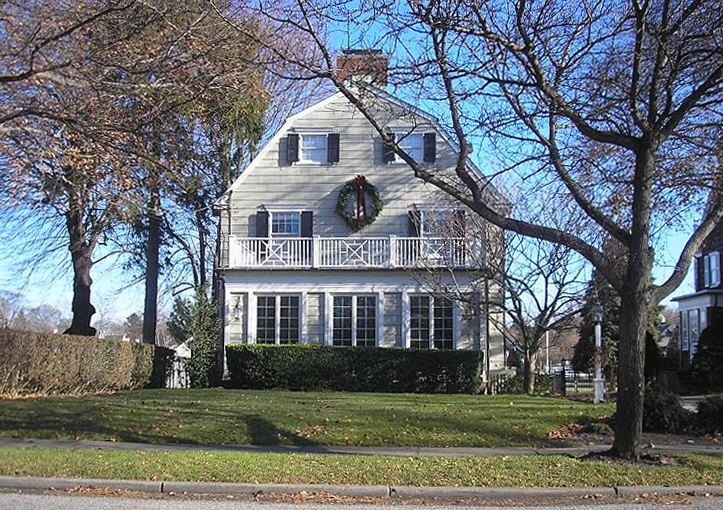
Abandoned farmhouse
Abandoned farmhouse

⬅ See all events from 27 October

Spread the word on your favourite platform!
On This Day in True Crime History

Subscribe to Dark Stories

True crime stories, dark history and tour news, straight to your inbox.