1889: He Gave Away His Victim’s Wedding Ring: Hanged at Melbourne Gaol for the Carlton Murder

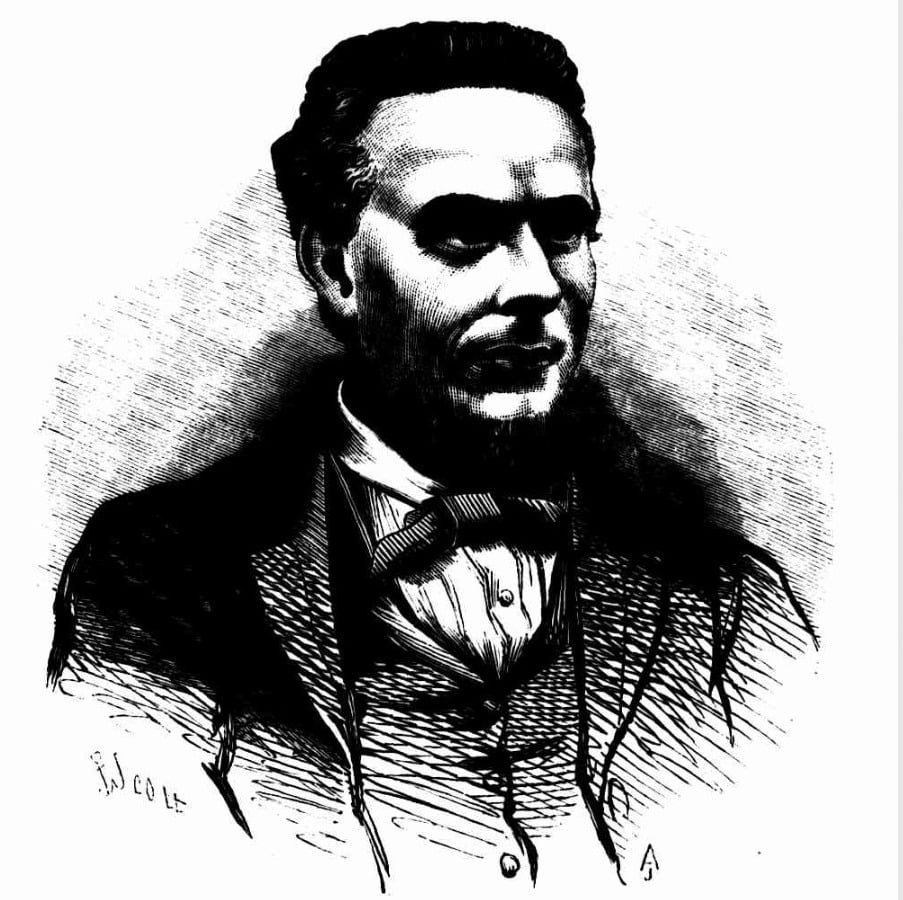
Annie Thornton, was murdered in her home at Carlton, a suburb of Melbourne, on the night of 10 July 1889. Piercing screams were heard coming from the house that night, but no neighbour intervened and nothing was reported to police until the inquest weeks later.

The man committed for trial, Filipe Castillo, showed almost total indifference to his fate. On the very night of the killing he was seen with another woman and showed her a bloodstained waistcoat, claiming it came from a cut to his arm. He then handed out jewellery stolen from the dead woman to several other women, including the wedding ring he had taken from her finger.

The murdered woman’s husband, Henry Thornton, had been living apart from his wife and was working in Ballarat at the time. On hearing of the killing he walked into the Ballarat watch-house himself, gave a detailed account of his movements and produced letters proving he had not seen his wife since parting from her on good terms months earlier; he was cleared of any involvement.

At the inquest a verdict of wilful murder was returned, and the accused was described as remarkably unconcerned throughout the proceedings. He was tried, convicted and hanged at Melbourne Gaol on 16 September 1889 for one of the most brutal and cold-blooded murders Melbourne had seen.


Bag of jewels spilled open with gems falling out

⬅ See all events from 16 September

Spread the word on your favourite platform!

1826: Property Crimes, Not Murder: Seven Men Hanged in Hobart in a Single Morning

On 15 September 1826, seven convicts, George Brace, John McFarlane, James Edwards, Thomas Balfour, John Dadd, John Clark and Patrick Brown, were hanged together in Hobart, the second of three mass executions carried out that month under Chief Justice John Pedder.

Unlike the seven hanged just two days earlier for murder, not one of this group had killed anyone. Balfour, McFarlane and Edwards went to the gallows for absconding into the bush and robbing settler William Holdship; Brace was hanged for robbery, Dadd and Clark for burglary in Ross, and Brown for stealing sheep, a crime that under Britain’s Bloody Code carried the same legal weight as taking a human life.

The scale of the executions reflected both the severity of imported English law and Governor George Arthur’s determined push to impose discipline on the penal colony. Rather than hang prisoners as they were convicted, the Supreme Court held sentences over and carried them out in batches: seven men on 13 September, seven more on the 15th, and a further nine on the 18th, accounting for nearly half of the 53 executions recorded in Van Diemen’s Land that year.

1826 in the Hobart Colony

⬅ See all events from 15 September

Spread the word on your favourite platform!

1866: The Sussex Street Mystery: A Dog Walk Leads to a Severed Head in Sydney

Eleven-year-old James Kirkpatrick was walking his dog behind Sussex Street in Sydney in September 1866 when he stumbled on a woman’s severed head half buried in a rubbish heap near Ebsworth’s tweed factory and Barker’s flour mills. Nearby lay her torso, its chest cavity completely emptied and the lower ribs charred. Despite police turning the rubbish heap over three times and combing the neighbourhood, no other body parts were ever recovered.

The case became known as the Sussex Street Mystery and gripped the colony as police pieced together the killing. It ended with the conviction and execution of a butcher, William Henry Scott, for the murder, making it one of colonial Australia’s most sensational and gruesome murder cases.

William Henry Scott under sentence of death 1867

⬅ See all events from 15 September

Spread the word on your favourite platform!

1866: The Wild Scotchman Jailed for 25 Years After Queensland Mail Robberies

Bushranger James Macpherson, known as the Wild Scotchman, entered the St Helena Island penal settlement in Moreton Bay, Queensland, on 14 September 1866 to begin serving a 25 year sentence for mail robbery.

He did not serve his time quietly. On 11 April 1870, Macpherson took part in a mass escape attempt, breaking free of the stockade with six other prisoners and hiding in the scrub around the island. He was shot in the wrist during his recapture and returned to custody.

Despite the harsh sentence and the failed breakout, Macpherson was eventually released by executive clemency in 1874.

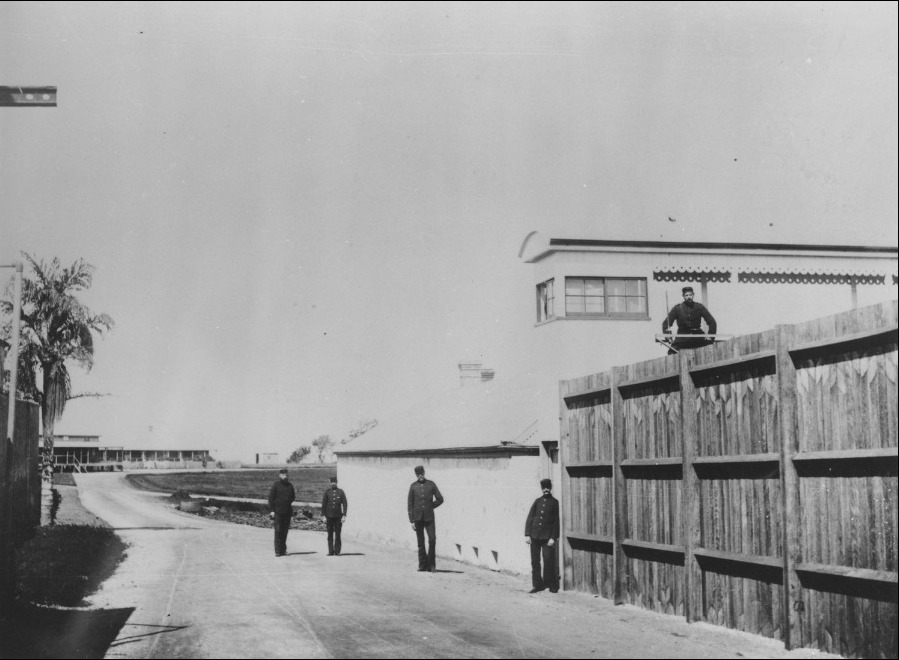
Prison guards on St. Helena, ca. 1893. State Library of Queensland, negative number 60065.

⬅ See all events from 14 September

Spread the word on your favourite platform!
On This Day in True Crime History

Subscribe to Dark Stories

True crime stories, dark history and tour news, straight to your inbox.