1818: A Dream Diary Written in Kangaroo Blood: the Death of Bushranger Michael Howe

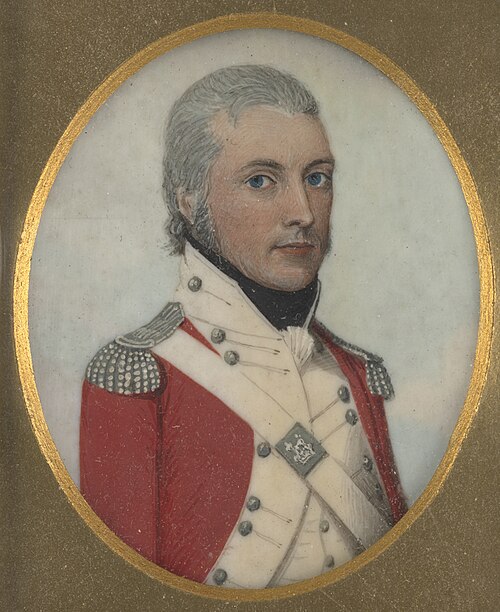
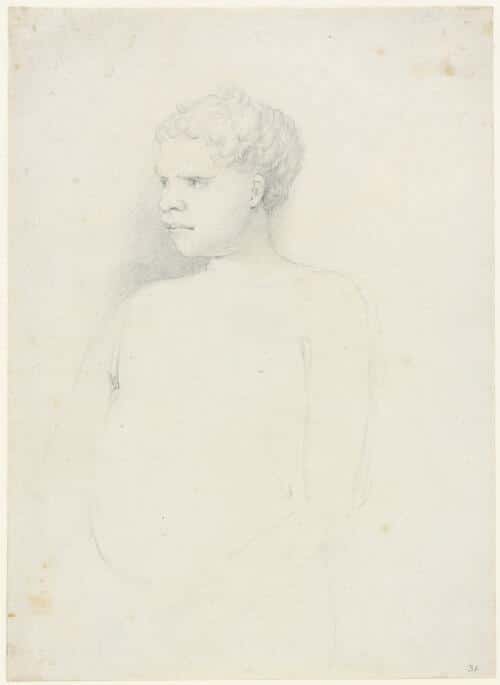
Michael Howe styled himself the Governor of the Ranges and spent years terrorising colonial Tasmania at the head of a bushranging gang, turning on his own allies whenever it suited his hold on command. When two kangaroo hunters, Worrall and Pugh, finally cornered and killed him on 21 October 1818, his knapsack was found to hold a crude journal bound in kangaroo skin and written in kangaroo blood.

The little book revealed a man haunted by his own crimes: dreams of being murdered, of dead comrades, of narrowly escaping capture, and, in one unexpected line, of the sister he had left behind. Alongside the dreams were long lists of seeds and flowers, the quiet fantasy of a killer who always meant to vanish into the bush and farm it in peace. Howe never got the chance; after Pugh clubbed him to death, his head was carried to Hobart to claim the reward on his life.
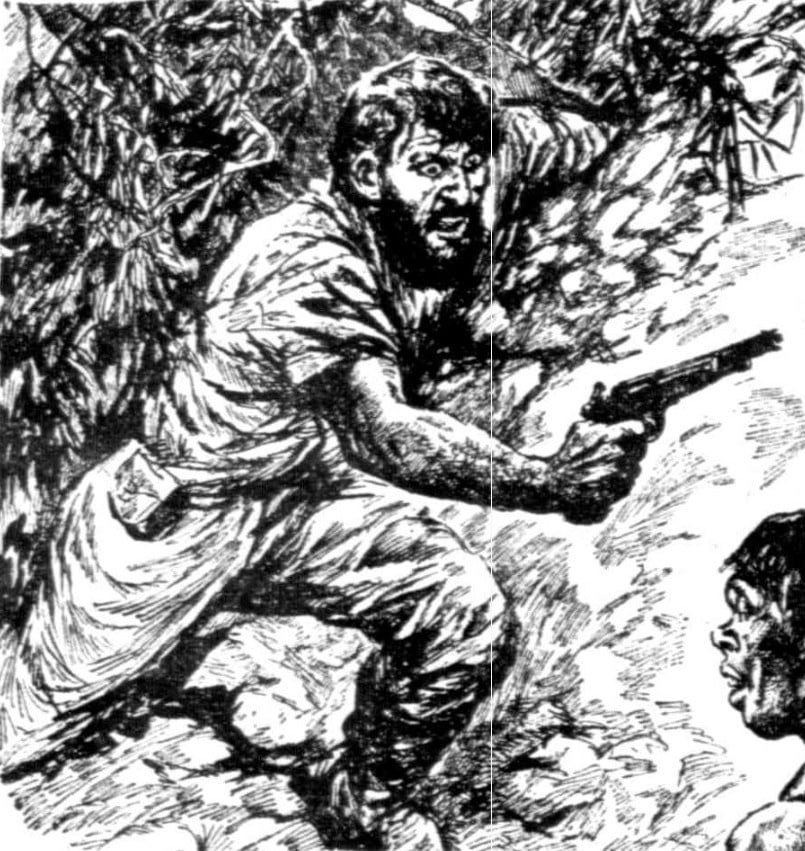

The reign of terror by the king of the ranges newspaper article 1954

⬅ See all events from 21 October

Spread the word on your favourite platform!

1841: The Scaffold Confession That Exposed a Wrongful Transportation by a Bushranger

Patrick Curran was a notorious bushranger who terrorised the colony’s roads and outstations, once storming a property with a loaded gun levelled at the overseer before he was overpowered, wounding one of his captors with the stock of his musket in the struggle. Sentenced to death, he escaped from his escort between Picton and Sydney that April, prompting a thirty pound reward before he was run down and returned to custody.

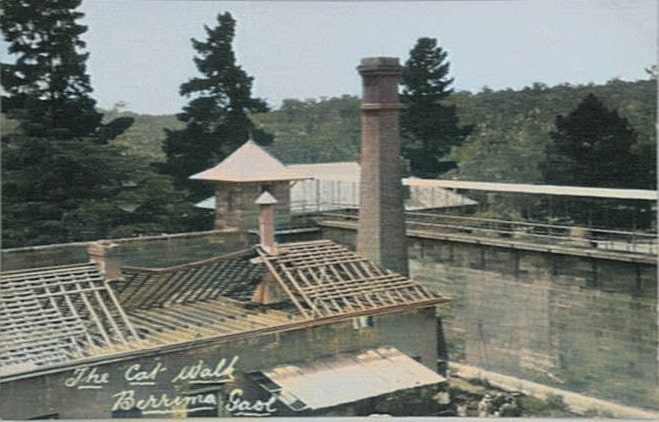
On the morning of 21 October 1841, Curran was hanged at Berrima. His final days swung between violent despair, so bad the attending clergymen were twice ordered from his cell, and sudden, sincere penitence that lasted through the night before his death.

On the scaffold, Curran confessed to the murder of a man named Fuller, a crime for which another man, Bright, had already been tried and transported for life in his place.

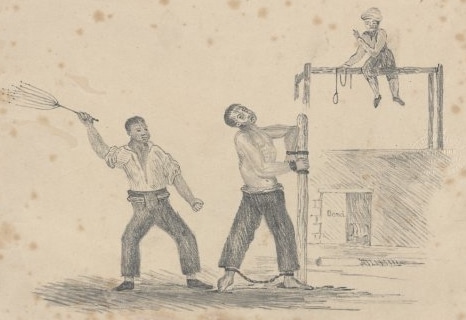
The Cat Walk inside Berrima Gaol prison yard Australia circa 1914 1941

⬅ See all events from 21 October

Spread the word on your favourite platform!

1858: He Swallowed Her Earrings to Hide the Evidence: Hanged at Geelong for the Green Tent Murder

Owen McQueeny was a wandering Irish robber with one sightless eye who spent weeks haunting the proprietress of the Green Tent, a grocery and tavern serving gold diggers on a track near Geelong, Victoria. Elizabeth Lowe, a young widow raising two small children alone, had already told a passing carrier she feared the man and his talk of pistols. That July in 1858, McQueeny shot her dead and vanished with her jewellery.

Travellers soon reported a dead-eyed swagman heading for Geelong loaded with the dead woman’s distinctive earrings, and police closed in fast. Awaiting trial, McQueeny was caught hiding the earrings by swallowing them, retrieving them from the gaol’s waste tub and passing them to a departing cellmate to smuggle out for safekeeping. He was convicted of her murder and hanged at Geelong on 20 October 1858, freely confessing to a string of other robberies while insisting to the last that he had not killed her.

As the death warrant was read to him he only shrugged, “Well, I suppose it can’t be helped,” convinced to the very end that public dislike of hanging would see him reprieved.

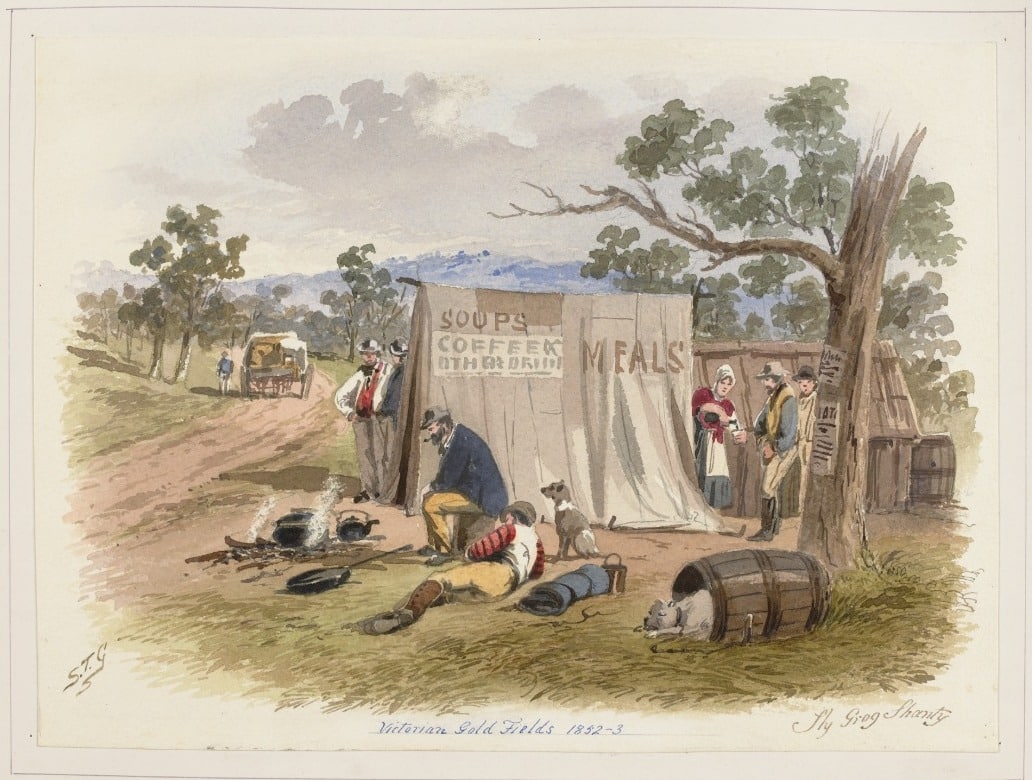
Sly grog shanty on Victorian goldfields tavern scene

⬅ See all events from 20 October

Spread the word on your favourite platform!

1878: “Hung for Her Like a Man”: The Vow Before a Brutal Axe Murder and Hanging in Hobart

Richard Copping was jealous that his sweetheart, Susannah Stacey, had grown tired of him. On 12 May 1878 he followed her into her parents’ home near Sorell, in Tasmania’s south, and split her skull with an axe as she tried to shut a door against him. When her father ran out and accused him, Copping only clapped his hands and said, “Yes, I know I have,” before declaring, “She deceived me, and I’ll be hung for her like a man.”

He then tried to shoot himself, loading a gun with nails after finding no shot, and botched even that, surviving with a shattered jaw. His lawyer argued he was suffering from a diseased brain, but the jury convicted him, and he was hanged at Hobart’s Campbell Street Gaol on 20 October 1878, sobbing and unnerved on the gallows.

Copping never denied the killing, having confessed within minutes of the attack, and he reportedly left written confessions in the sheriff’s keeping before he died.

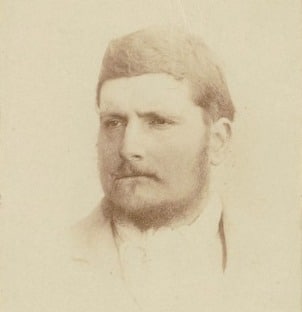
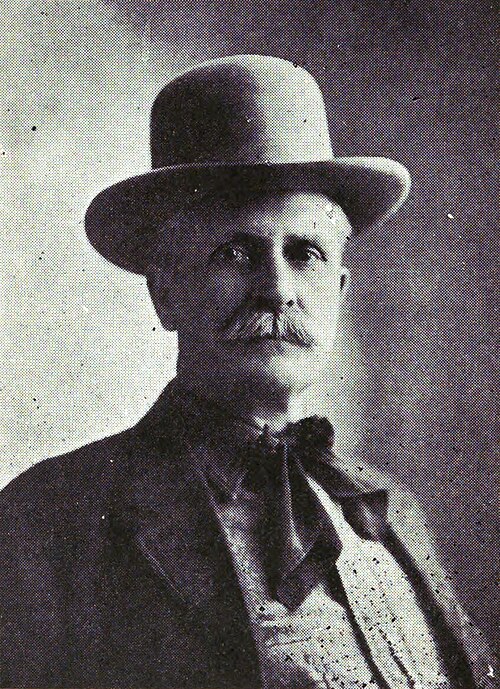
Portrait of prisoner Richard Copping Hobart Gaol 1878

⬅ See all events from 20 October

Spread the word on your favourite platform!
On This Day in True Crime History

Subscribe to Dark Stories

True crime stories, dark history and tour news, straight to your inbox.