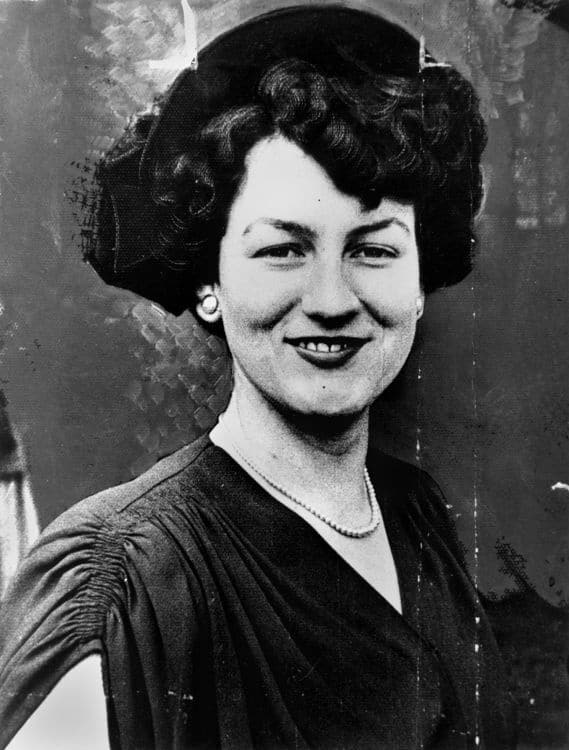
On the night of 19 September 1952, 22 year old Betty Shanks stepped off a tram at the Grange terminus in Brisbane and set off on the short walk home. She never made it and her body was found the next morning, in the front garden of a house just metres from her parents' own home.
Despite an extensive police investigation and decades of renewed interest, no one was ever charged over her death. The case has become one of Queensland's most haunting cold cases. A young woman killed almost within sight of her own front door, with her killer never identified.
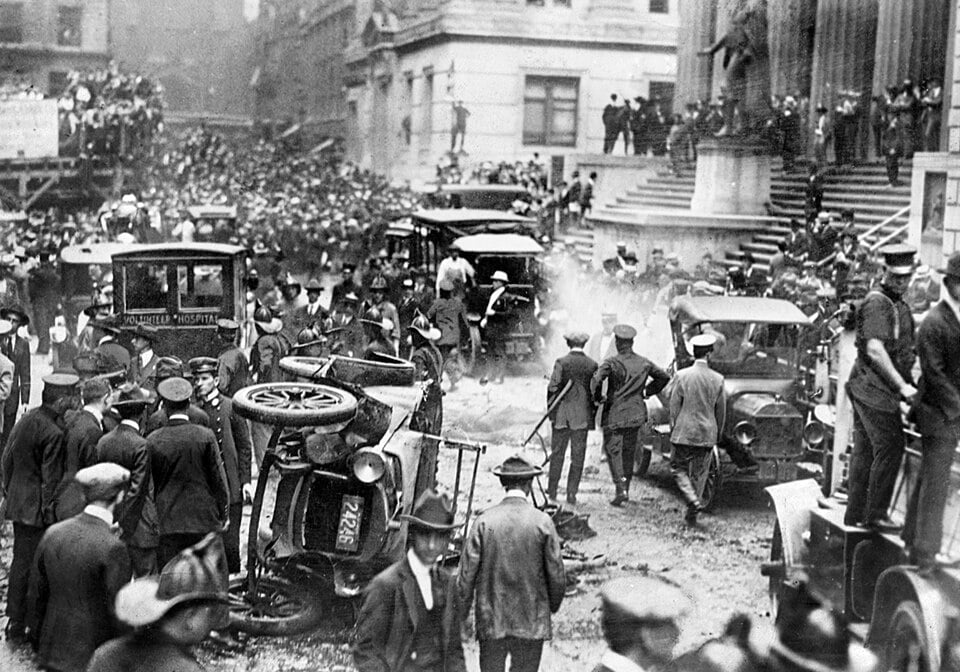
At 12:01 pm on September 16, 1920, a horse-drawn wagon parked across from the J.P. Morgan & Co. headquarters at 23 Wall Street exploded, packed with 100 pounds of dynamite and 500 pounds of cast-iron sash weights turned into shrapnel. Thirty people died instantly and eight more later succumbed to their wounds, with 143 seriously injured and hundreds hurt in total. Witnesses saw the driver step down and vanish down a side street moments before the blast; he was never identified.
Within a minute, the New York Stock Exchange president suspended trading to head off panic. A 17-year-old messenger, commandeered a parked car and used it to ferry 30 wounded victims to hospital as police seized nearby vehicles for the same purpose. Crews worked through the night to clear the wreckage so the Exchange could reopen the next morning, but in doing so destroyed evidence that might have identified the bomber.
Investigators from the Bureau of Investigation, forerunner of the FBI, suspected the attack was the work of Galleanist anarchists responsible for a string of bombings the previous year, but no one was ever charged. More than a century on, the Wall Street bombing remains unsolved, its perpetrator and motive still unknown.
Historic photo of bombing aftermath on Wall Street
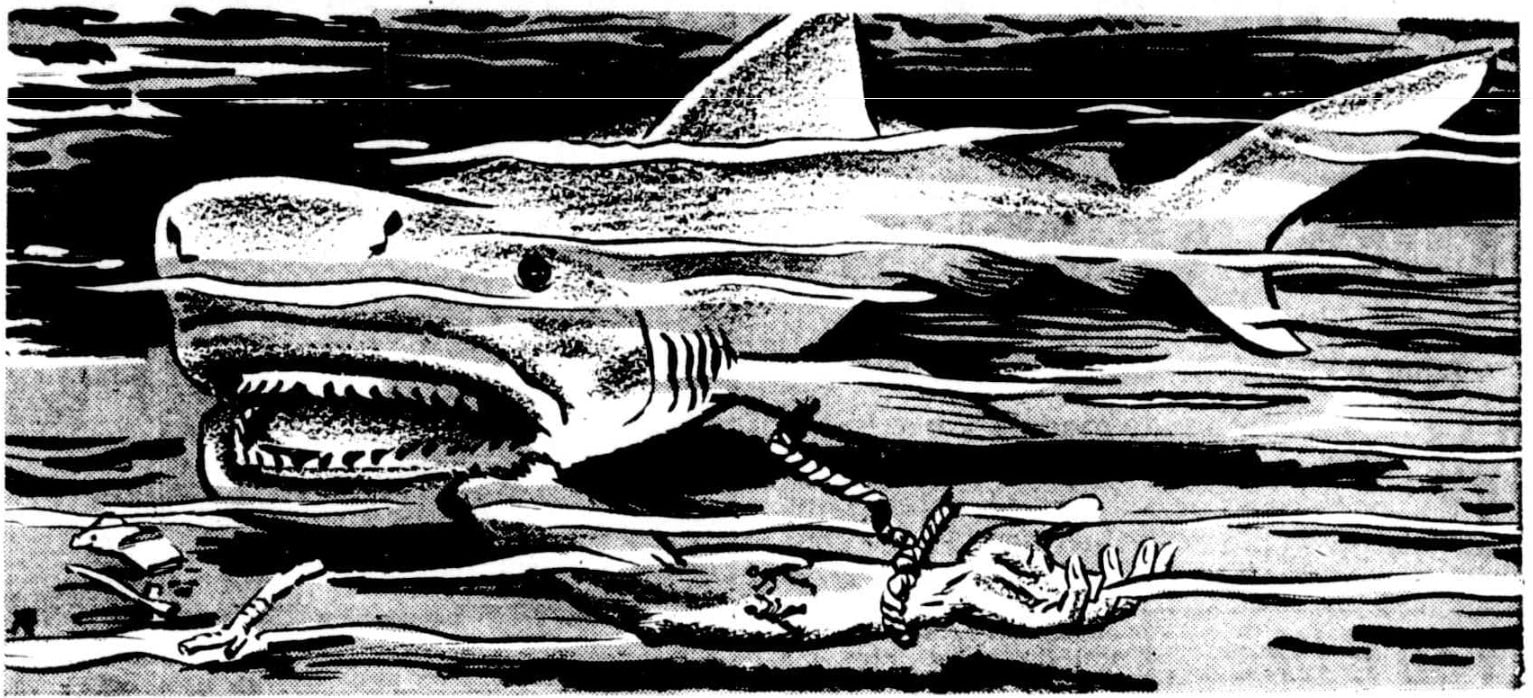
The case began in the most macabre way imaginable: on April 25, 1935, a captured shark on display at an Aquarium in Sydney vomited up a human arm. Tattoos identified the limb as belonging to James Smith, who had vanished after leaving home on April 8 with the stated intention of going on a fishing trip.
Police investigations focused on Patrick Brady, an associate of Smith who had been with him around the time of his disappearance. Another central figure was businessman Reginald Holmes, who was in a position to give direct evidence about Smith's killing and Brady's alleged involvement.
But before Holmes could give that evidence, the case took another extraordinary turn. In the early hours of June 12, just hours before he was due to appear at the inquest, Holmes was found shot dead in his car at Dawes Point. With the Crown's key witness gone, the murder case against Brady was left largely dependent on circumstantial evidence.
Despite what Chief Justice Sir Frederick Jordan acknowledged was plenty of cause for suspicion, the prosecution now faced two fundamental problems: its key witness was dead, and there was no body to prove that Smith himself was dead. A person could, after all, survive the loss of an arm. On September 10, 1935, Jordan ruled that the evidence was insufficient to sustain a conviction and directed the jury to acquit Brady, bringing to an abrupt end what was described at the time as a case "without parallel in the annals of Australian criminal history."
Brady's freedom was short-lived. As soon as he stepped outside the court, detectives arrested him on an unrelated Tasmanian forgery charge. No one was ever convicted over Smith's death or Holmes's killing, and the infamous Shark Arm case remains unsolved.
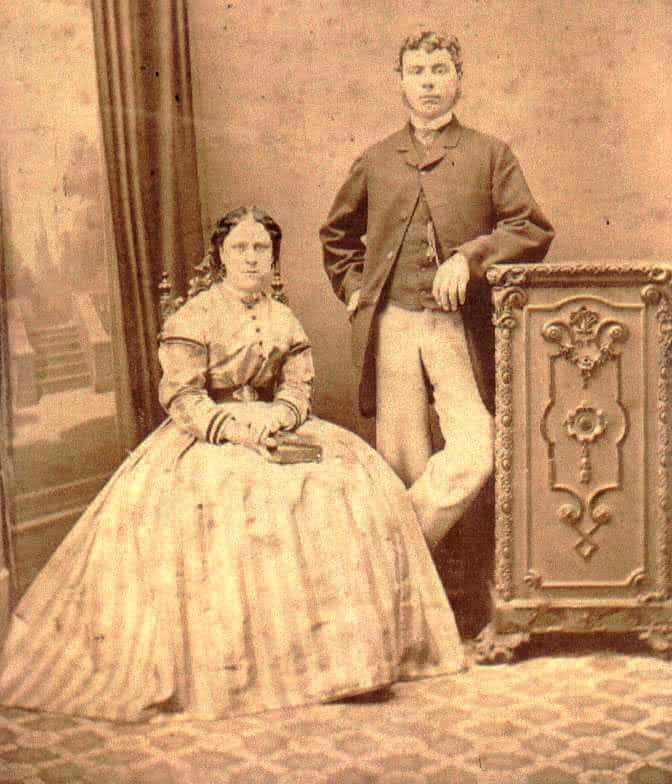
Annie Chapman was a heavy drinker who had turned to prostitution in London's Whitechapel after her marriage collapsed and her daughter died, using the earnings to pay for drink and a bed for the night. On the night of her death she had no money for lodgings and went out to earn her rent; her body was found in the early hours in a backyard, her throat cut and her abdomen slashed open.
The killer had arranged her intestines over her shoulder and removed her uterus, taking it with him. An autopsy determined she had been sober at the time of her death, ruling out the drunkenness that had shaped so much of her life.
Her murder, following that of Mary Ann Nichols just over a week earlier, confirmed for police that a single killer, soon dubbed Jack the Ripper, was stalking the women of Whitechapel.
Portrait of Annie Chapman with her husband in 1869