1789: The French State Seizes the Wealth of the Catholic Church

Revolutionary France did not just curb the power of the church, it stripped it bare. On this day in 1789, the National Assembly voted to confiscate all church property across the country: land, monasteries, cathedrals, religious artworks and sacred valuables, declaring it all now belonged to the nation.

The seized wealth was converted into assignats, paper currency issued against the value of the stolen assets, to drag the state out of crushing debt and fund the revolution itself. It was an audacious act of theft dressed as reform, one that permanently broke the financial independence of the Catholic Church in France and set the stage for the brutal persecution of clergy that followed in the years ahead.


This Day in True Crime History

⬅ See all events from 2 November

Spread the word on your favourite platform!

1984: Indira Gandhi Assassinated by Her Own Bodyguards in New Delhi

Indira Gandhi walked through the garden of her official residence in New Delhi on the morning of 31 October 1984, heading to an interview, when two of her own bodyguards turned their weapons on her. Beant Singh and Satwant Singh, both Sikh members of her personal security detail, shot her repeatedly at close range. She died within hours.

The killing was revenge. Five months earlier, Gandhi had ordered the army into the Golden Temple in Amritsar, Sikhism's holiest site, to clear out militants sheltering inside; hundreds died in the operation, and many Sikhs saw it as a desecration. Beant Singh was shot dead by other guards moments after the attack; Satwant Singh was captured, tried and later hanged. In the days that followed, mobs across India killed thousands of Sikhs in revenge riots that the assassination had set in motion.

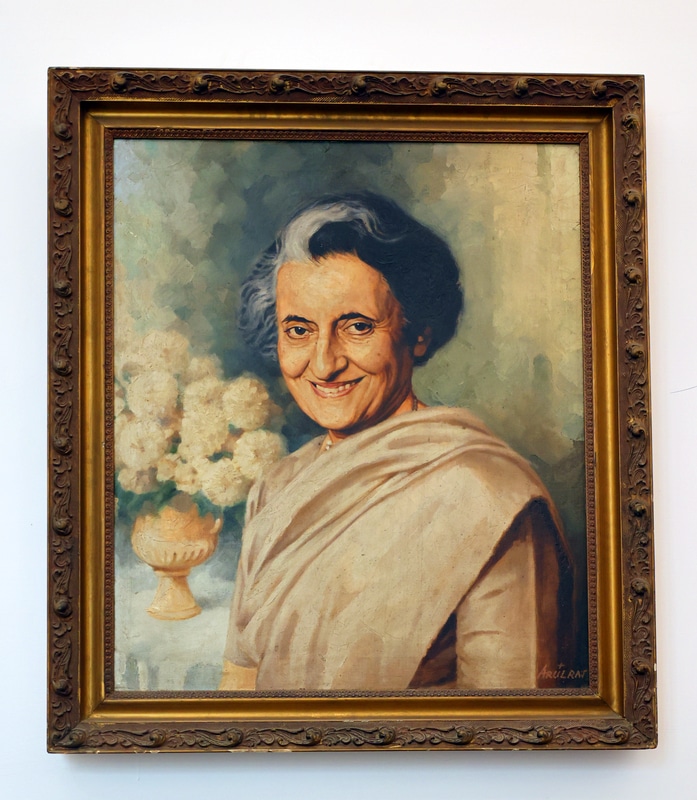
DELHI INDIA 02 12 2023: Indira Gandhi painting was an Indian politician and stateswoman who served as the third prime minister of India from 1966 to 1977 and from 1980 until her assassination in 1984. | ID 276554060 © Meunierd | Dreamstime.com
ID 276554060 © Meunierd | Dreamstime.com

⬅ See all events from 31 October

Spread the word on your favourite platform!

1878: Shoot on Sight: the Extraordinary Law That Outlawed Ned Kelly

Just four days after three police officers were shot dead at Stringybark Creek, the Victorian government introduced the Felons Apprehension Bill on 30 October 1878, paving the way for extraordinary powers that would allow Ned Kelly and his gang to be declared outlaws.

Once Ned and his brother Dan were formally declared outlaws, they could legally be shot on sight by police or any member of the public, without first standing trial. The legislation also threatened severe penalties for anyone knowingly sheltering or assisting the fugitives.

The crackdown extended beyond the outlaws themselves. Police arrested suspected Kelly sympathisers, with around twenty men detained for months as authorities attempted to break the gang's network of support. The heavy-handed campaign fuelled resentment among sections of the local population, strengthening sympathy for the very men the government was determined to capture.

Even after the gang robbed banks at Euroa and Jerilderie, prompting Victoria and New South Wales to offer a combined reward of £8,000 in February 1879, the outlaws remained at large. It took another sixteen months, and the bloody siege at Glenrowan in June 1880, before Ned Kelly, wearing his homemade iron armour, was finally captured.

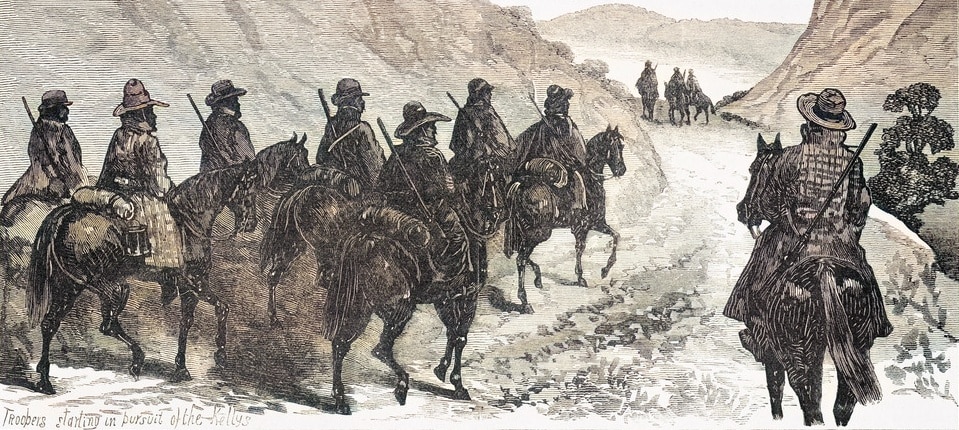
Troopers pursuing the Kelly Gang on horseback

⬅ See all events from 30 October

Spread the word on your favourite platform!

1618: A Sharp Medicine for All Diseases: the Execution of Sir Walter Raleigh

Sir Walter Raleigh had already cheated the executioner once. Convicted of treason within months of Queen Elizabeth's death, after rivals whispered that he had opposed the accession of King James, he was spared at the last moment and spent thirteen years locked in the Tower of London instead.

Released in 1616 to hunt for gold in Guiana, Raleigh promised the voyage would bring no trouble with Spain. It did: his men attacked a Spanish outpost against direct orders, the expedition found no gold, and Raleigh came home to a king eager to please Madrid and an old death sentence still on the books. It was carried out in London on 29 October 1618.

On the scaffold he asked to examine the axe himself, running a thumb along the blade before remarking, "This is a sharp medicine, but it is a physician that will cure all diseases."

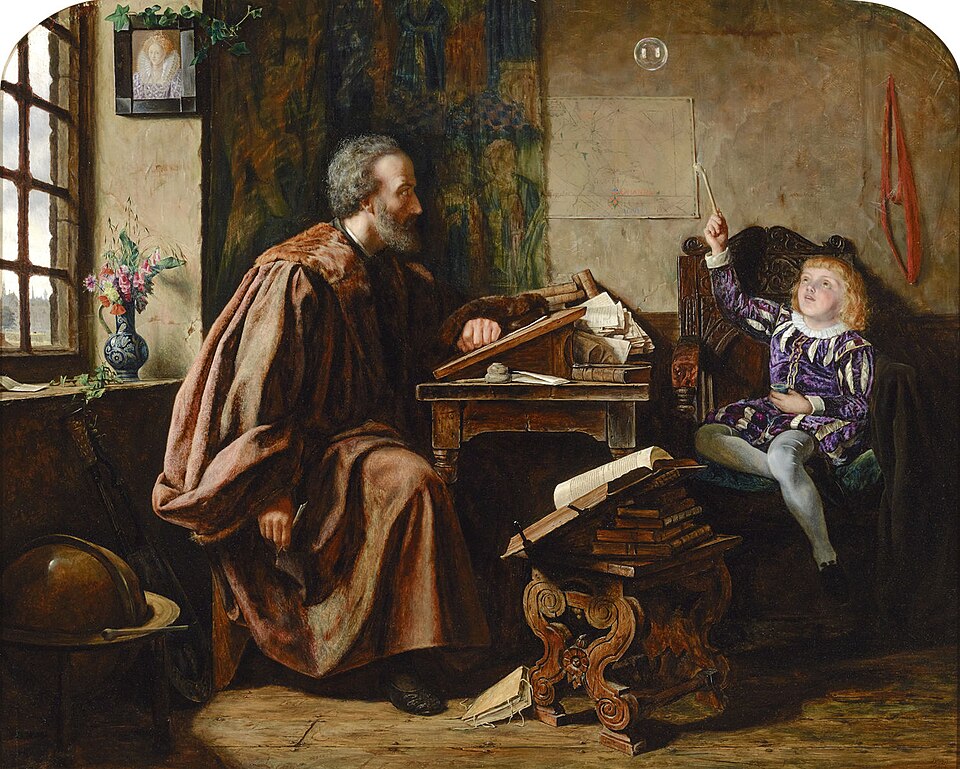
Sir Walter Raleigh imprisoned in the Tower of London by Henry Wallis

⬅ See all events from 29 October

Spread the word on your favourite platform!
On This Day in True Crime History

Subscribe to Dark Stories

True crime stories, dark history and tour news, straight to your inbox.