1803: Masked Robbers Bound a Family and Threatened to Drown Them for Money They Did Not Have

One night in May 1803, two masked men forced their way into the Hawkesbury home of Charles Palmer and his wife, clubbing both with the handle of an axe until Palmer lay senseless for two hours. They ransacked the house for money, bound the family and a child, and warned they would throw them into the river if the cash they insisted did not exist was not handed over.

Stolen clothing later surfaced in the household of a woman who said it had been given to her to mend for Thomas McLaughlane the elder and his son. Both men were convicted and sentenced to death, but only the elder went to the gallows at Hawkesbury; of eight men condemned that session he was the third actually hanged, the rest reprieved into transportation for life.

At his trial the elder McLaughlane claimed the stolen goods had come from an informer already giving evidence in another case, a claim the informer flatly denied. On the scaffold he said nothing more, meeting his end, witnesses noted, with quiet decency.


Hand of a drowning man reaching above the sea surface

⬅ See all events from 7 October

Spread the word on your favourite platform!

1794: He Survived a Notorious Convict Voyage to Sydney, Then Was Hanged for Burglary

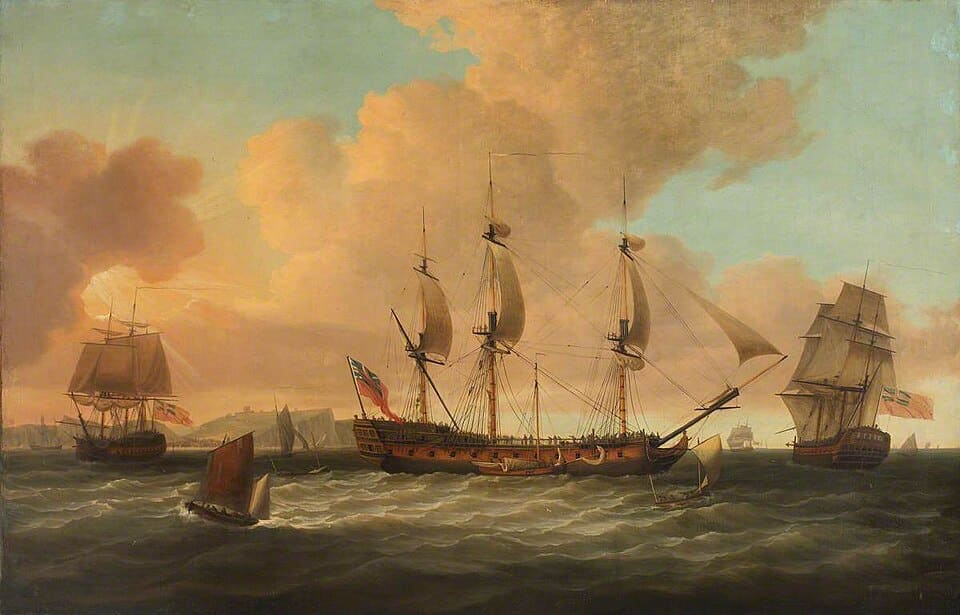
John Bevan arrived in Sydney aboard the Pitt in February 1792, after a gruelling eight-month voyage during which 29 convicts died, and many others arrived sick.

By 1794, Bevan had built a reputation for trouble in the colony and was caught in the act of breaking into the Sydney home of William Fielder. The case against him was considered overwhelming, and little time was lost: Bevan was convicted of burglary, sentenced to death and hanged on 6 October 1794.

He was buried at the old Sydney burial ground, little more than two and a half years after surviving the voyage that had brought him to New South Wales.

Painting of the East Indiaman Pitt and other sailing ships

⬅ See all events from 6 October

Spread the word on your favourite platform!

1898: Kate Kelly, Sister of Bushranger Ned Kelly, Vanishes Eighteen Years After His Hanging

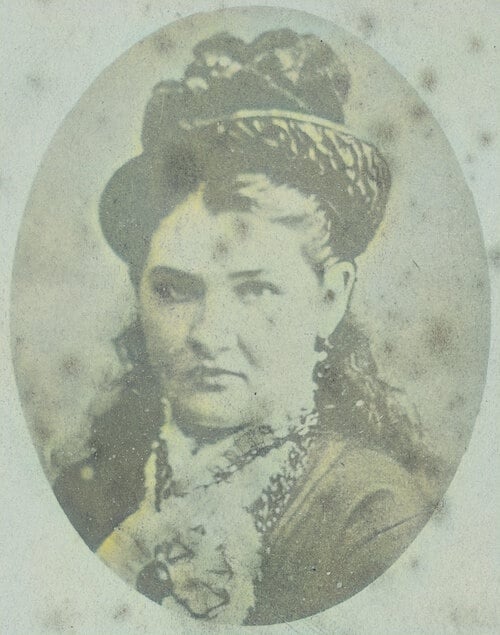
In 1878, Constable Fitzpatrick arrived alone and drunk at the Kelly family homestead and assaulted fourteen-year-old Kate Kelly, the spark that turned her brothers Ned and Dan into outlaws. With her mother jailed as an accomplice, teenage Kate raised her younger siblings, campaigned for Ned’s clemency, and later toured with relics of the gang after his hanging at Melbourne Gaol in 1880.

Eighteen years on, now married and living near Forbes in New South Wales, Kate vanished from her home. She was found drowned in a nearby waterhole, aged 35. Her death was officially ruled an accident, but questions about what drove her there have never fully gone away.

Portrait of Kate Kelly sister of Ned Kelly

⬅ See all events from 6 October

Spread the word on your favourite platform!

1909: The Acid “Cure”: Martha Rendell Hanged at Fremantle for Poisoning Her Stepson

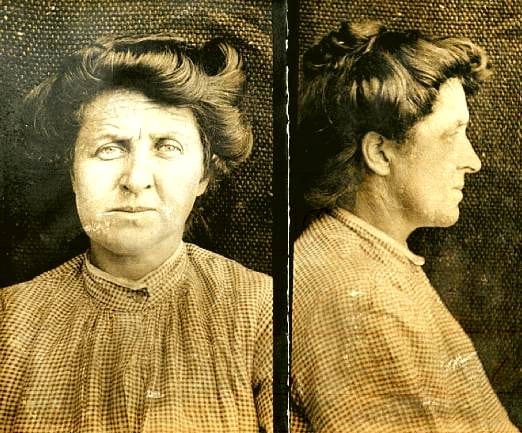
In Perth, Martha Rendell told neighbours her stepchildren suffered from chronic sore throats that she treated herself at home. In truth she was swabbing their throats with hydrochloric acid, a slow and agonising poisoning disguised as nursing. Her stepson Arthur Morris, 14, died of it on 8 October 1908; two of his siblings had already died the same way, but only Arthur’s death went to trial.

Convicted of his murder, Rendell was hanged at Fremantle Prison on 6 October 1909, the only woman ever executed in Western Australia.

She denied killing the children to the end, insisting she had only ever tried to cure them.

Martha Rendell
Martha Rendell

⬅ See all events from 6 October

Spread the word on your favourite platform!
On This Day in True Crime History

Subscribe to Dark Stories

True crime stories, dark history and tour news, straight to your inbox.