1900: Outlawed by Government Decree: a Fugitive Was Shot Dead by Settlers, and a Coronial Jury Cheered the Killers

Joe Governor had been on the run for fifteen weeks when New South Wales declared him and his brother Jimmy outlaws under the Felons Apprehension Act, a law that stripped them of the right to surrender and made it lawful for any armed settler to shoot them dead. The brothers had been linked to a string of killings that winter, nine people dead across the colony, before the manhunt swept north toward Singleton.

At dawn on this day in 1900, brothers Joe and George Wilkinson found Joe asleep on their own property near Singleton and called on him to surrender. He woke, ran, and the men exchanged fire until he fell dead into a waterhole, the chase finally over after months of pursuit.

The coronial inquest that followed did more than clear the Wilkinsons of blame: it congratulated them, with the coroner thanking them for "ridding the country of so dangerous a brute" while the crowd outside broke into cheers. A rumour swept the town that Joe's head had been removed and preserved for identification; it was false, officials denied it emphatically, but the story continued to circulate.
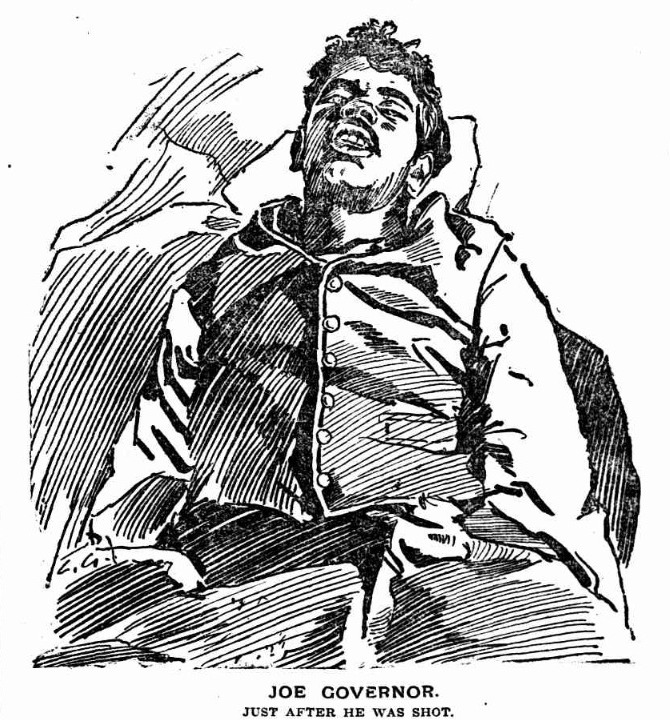

Joe Governor newspaper illustration Evening News Sydney 1900

⬅ See all events from 30 October

Spread the word on your favourite platform!

1866: The Sussex Street Mystery: Sydney's Inquest Returns a Verdict of Wilful Murder

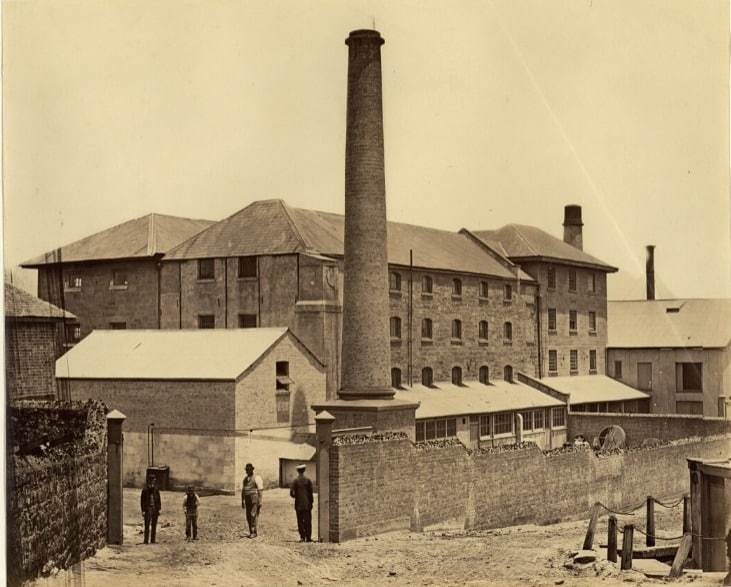
In September 1866 a boy's dog began scratching at a rubbish heap near Sussex Street in Sydney, and uncovered a charred, half-roasted human head. Further searching turned up the dismembered chest of a woman, but no other remains were ever found, and no one in the city had reported her missing.

At the inquest a young doctor testified that the head wounds had killed her almost instantly, and that her body had been carefully dissected and burned afterwards, evidently by someone with real anatomical skill, in an apparent effort to destroy any means of identifying her. The jury returned a verdict of wilful murder against a person or persons unknown, and the government posted a reward of two hundred pounds, offering a pardon to any accomplice willing to name the killer.

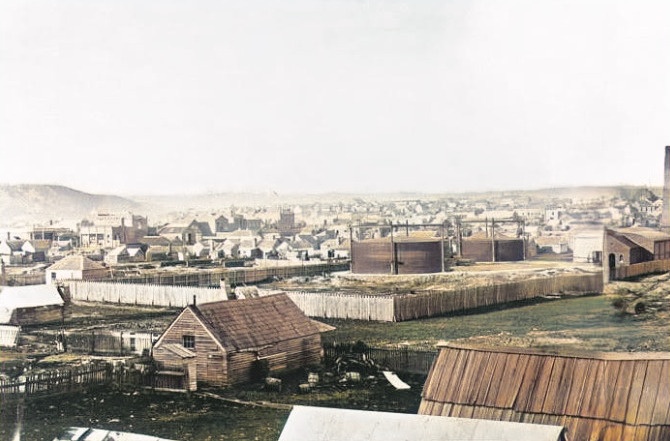
Close to the scene of the crime: Barker & Co. Mills, corner of Sussex and Bathurst Streets, Sydney, before June 1872. Possibly photographed by Charles Pickering. State Library of New South Wales, SPF/484.

⬅ See all events from 2 October

Spread the word on your favourite platform!

1997: Princess Diana Killed in Paris Tunnel Crash

In the early hours of 31 August 1997, Diana, Princess of Wales, died after a high-speed car crash in the Pont de l’Alma tunnel beside the River Seine in Paris. The Mercedes carrying her struck a concrete pillar while being pursued by press photographers. Diana was 36. Dodi Fayed and driver Henri Paul were also killed; bodyguard Trevor Rees-Jones was the sole survivor.

French investigators concluded that Paul had been driving at excessive speed while affected by alcohol and prescription drugs. The crash nevertheless became the subject of numerous conspiracy theories, including claims that Diana and Dodi were deliberately killed, that British intelligence or members of the Royal Family were involved, and that the collision had been engineered to prevent an alleged marriage or pregnancy.

These allegations were examined in detail by Britain’s Operation Paget investigation, which found no evidence of a conspiracy to murder Diana. A subsequent British inquest, concluded in 2008, returned a verdict of unlawful killing caused by the grossly negligent driving of Henri Paul and the pursuing paparazzi.

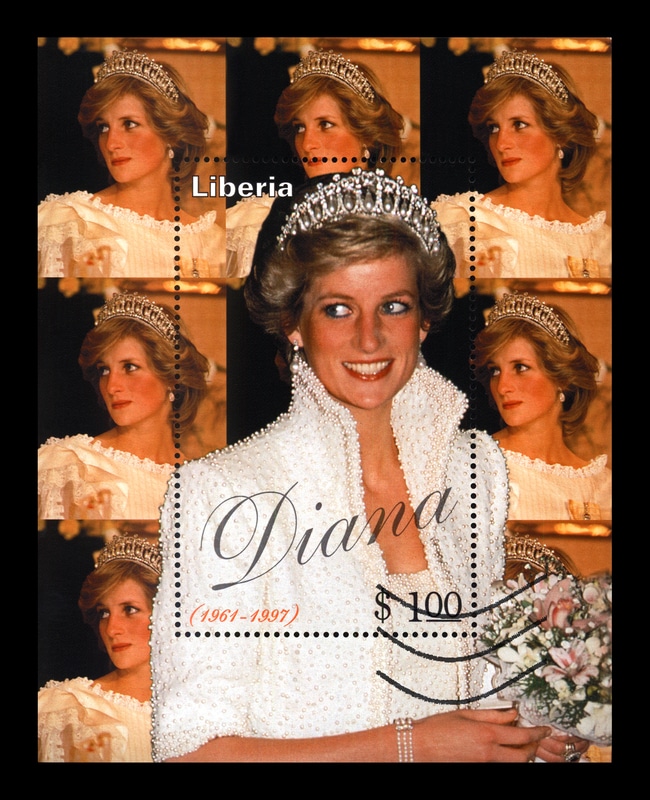
Princess Diana smile, circa 1997. vintage post stamp,. LIBERIA - CIRCA 1997: canceled stamp printed in Liberia dedicated to the memory of princess Diana, circa 1997. vintage post stamp isolated on black background. princess Diana with silver crown | ID 98306680 © Fmua | Dreamstime.com
ID 98306680 © Fmua | Dreamstime.com

⬅ See all events from 31 August

Spread the word on your favourite platform!

1931: A Death Pact Rooted in Spiritualism Kills a Family of Seven in Carlisle

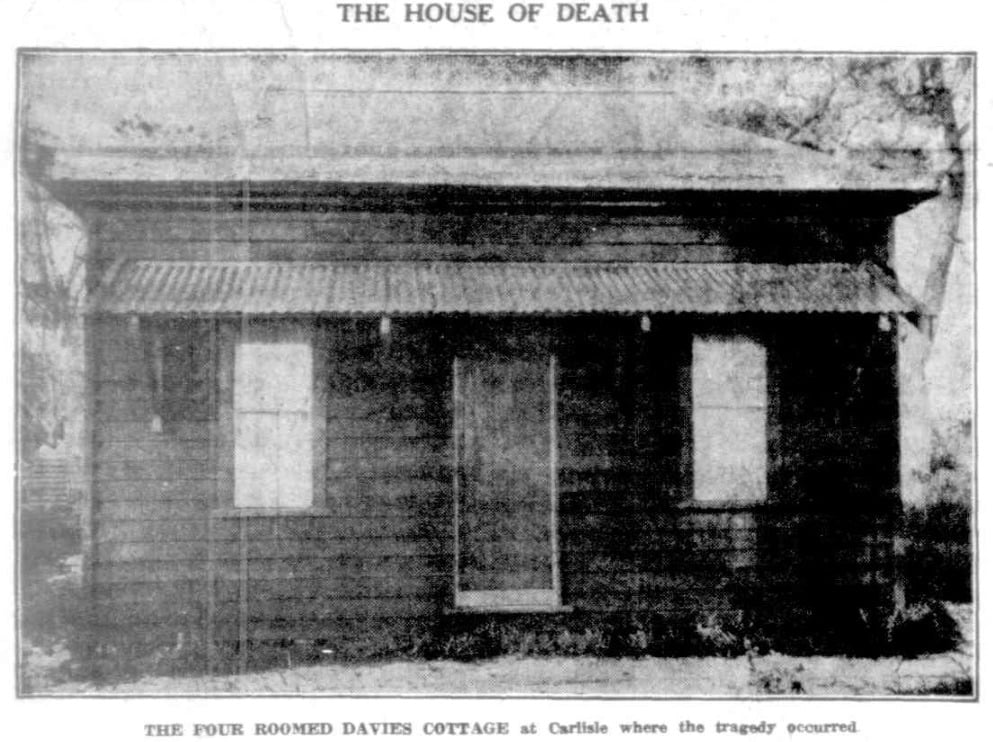
In the suburb of Carlisle, near Perth, Roderick Davies and family ended their days, leaving behind six farewell letters that described the killings as a spiritual calling. The family had become consumed by a belief in life after death, with Dorothy writing to her mother in Victoria that she had been 'writing under spiritual control for months' and had long known they would all be 'going on soon.'

The coroner, Mr T. Y. A. Lang, described the motive bluntly: a desire for 'a short road to an attractive hereafter.' In his letter to police, Davies wrote that he had taken the lives of his wife and children 'for reasons it would be impossible for me to explain.' Dorothy's final words to her mother were: 'Life holds nothing; Death promises everything.'

Death pact newspaper clipping from Trove 1931 Mirror Perth

⬅ See all events from 21 August

Spread the word on your favourite platform!
On This Day in True Crime History
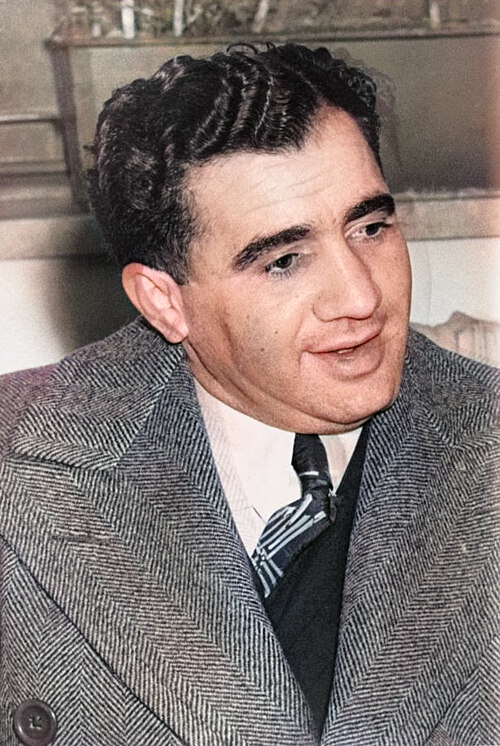
1858·The Rope Broke, So They Hanged Him Again: Samuel Gibbs Executed in Melbourne for the Murder of His Wife
1858·He Named Four Innocent Men as the Killers: Hanged in Melbourne for a Ballarat Murder
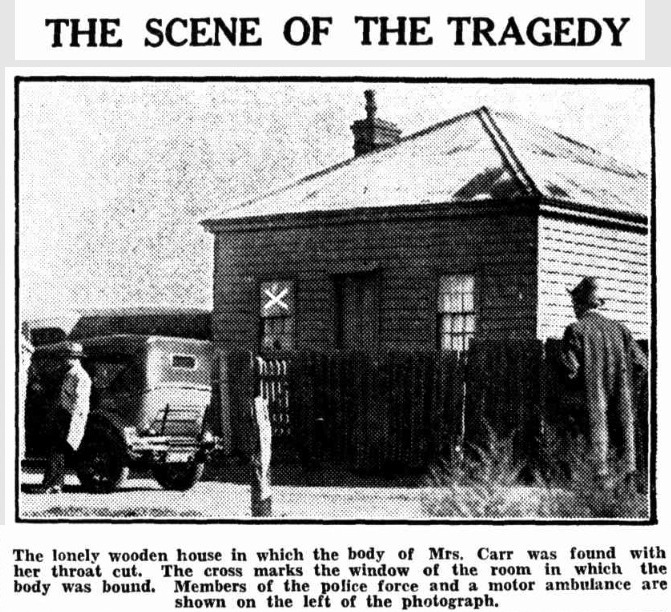
1929·She Asked for a Kiss, Then Bled to Death: Frederick Carr Hanged in Adelaide for Murdering His Wife
1963·The Royal Commission That Cleared Brisbane Police, Then Unravelled as a Cover-up
More Crime On This Day →

Subscribe to Dark Stories

True crime stories, dark history and tour news, straight to your inbox.