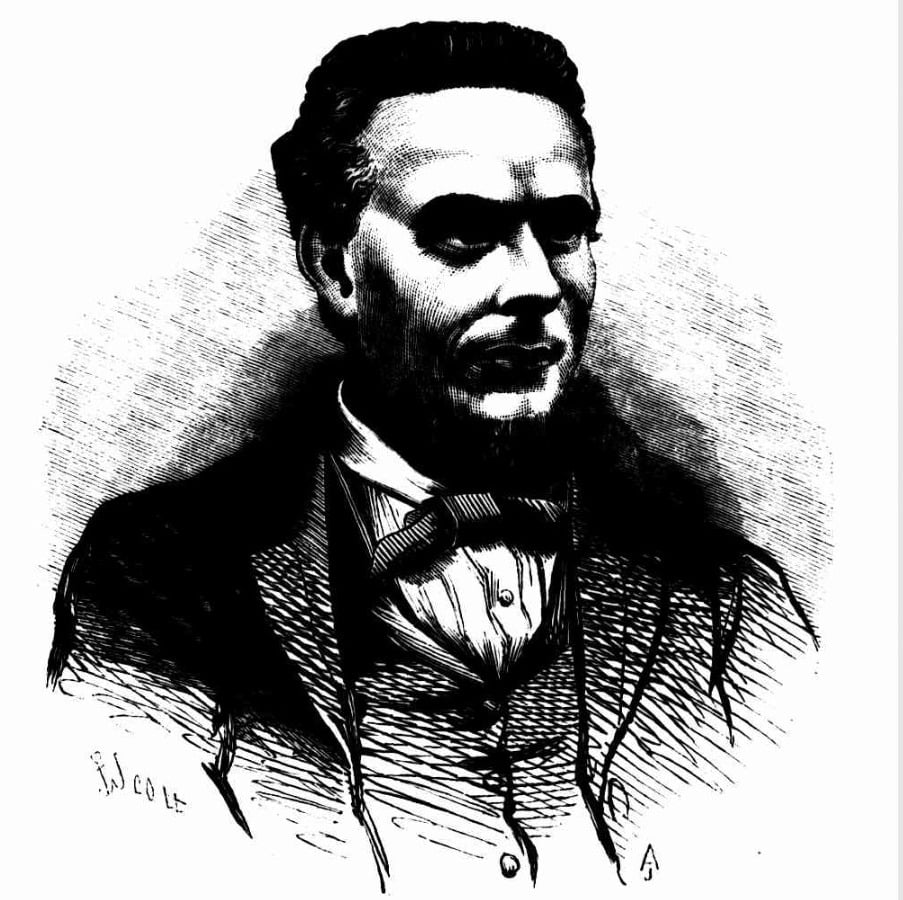
Ned Kelly, the leader of the Kelly Gang, had spent years outrunning the law across the Victorian bush, his armour and audacity turning him into both outlaw and folk hero. That ended after the siege at Glenrowan, where he was captured wounded and alone while the rest of his gang died in the shootout or the fire that followed.

He was tried in Melbourne for the murder of a police constable, and on this day in 1880 he was sentenced to death. Within weeks the man who had defied colonial police for years would be hanged, his legend only growing in the telling long after the rope did its work.
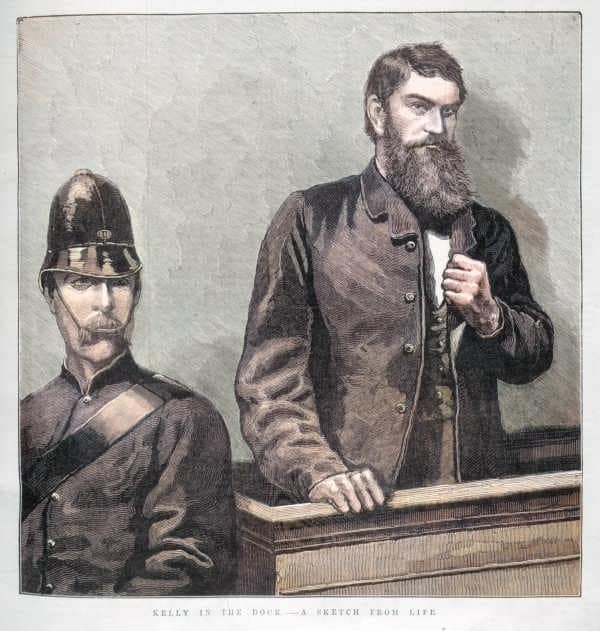

Ned Kelly in the dock courtroom illustration: colorised.

⬅ See all events from 29 October

Spread the word on your favourite platform!

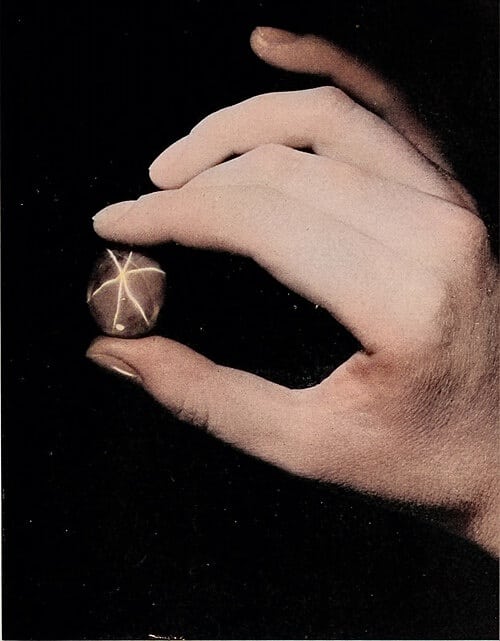
Thieves slipped into the Museum of Natural History in New York on this day in 1964 and lifted an extraordinary haul of gems, among them the 565-carat Star of India, the largest sapphire in the world, and the 100-carat DeLong Ruby.

The brazen theft stunned collectors and investigators alike, yet within weeks the culprits were tracked down and most of the stolen jewels, including the Star of India, were recovered.

100-carat DeLong Star Ruby 1911

⬅ See all events from 29 October

Spread the word on your favourite platform!

Sing Ong, a Chinese settler at Cape Lesueur on Shark Bay, shot his countryman Ah Foo twice on 11 May 1884 in a quarrel over a servant Sing Ong believed was rightfully his. Witnesses heard the shots and found Ah Foo dying of a wound below the chest, having first picked up a stick and told his killer he was not afraid of his knife, gun, or revolver.

At his trial in Geraldton, his own counsel argued the shooting had been a sort of duel between the two men, pointing out that police never produced the pistol and failed to call other witnesses who might have helped him. The jury convicted him regardless, and the Governor delayed the sentence to weigh a mercy petition, but found nothing in it to change the outcome.

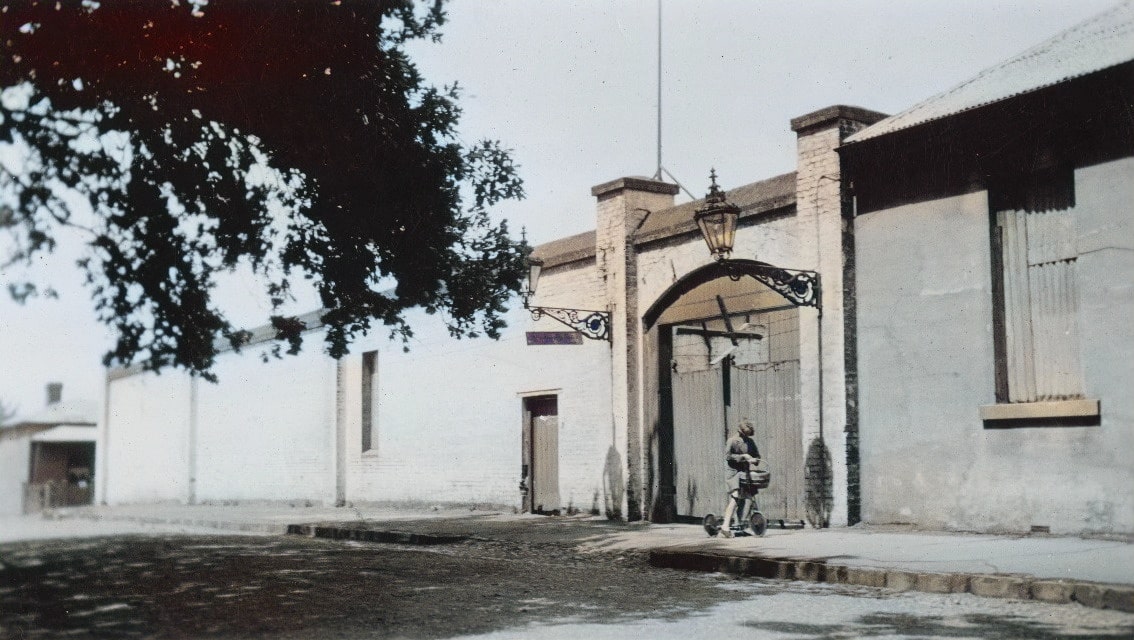
On 29 October 1884, Sing Ong was hanged at Geraldton gaol, the town’s first execution, carried out so cleanly that death came the instant the bolt was drawn.

From his arrest to the gallows, Sing Ong never denied the killing.

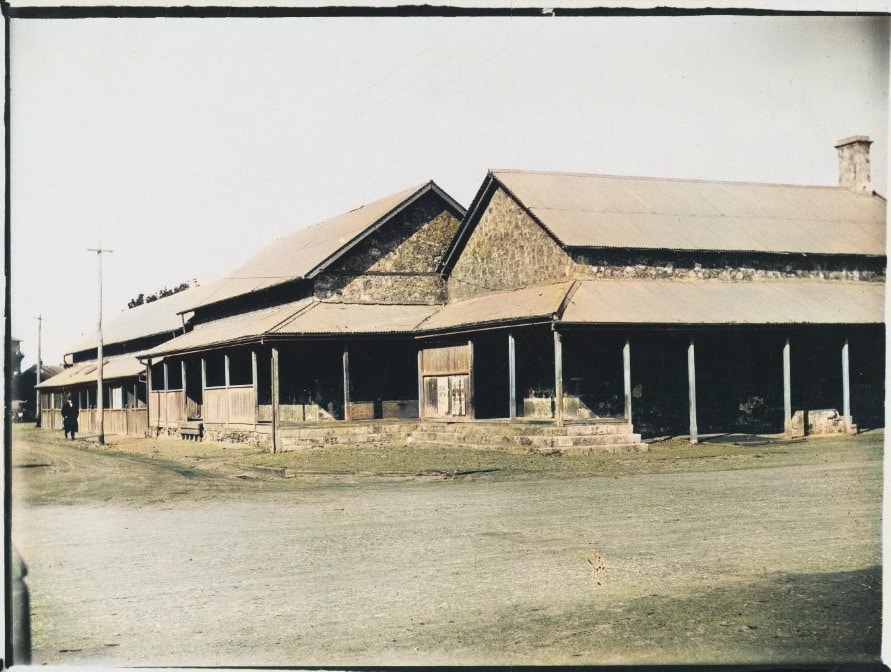
The original Geraldton Courthouse, circa 1900. Built in the 1860s, the courthouse was in use when Sing Ong stood trial for murder in 1884. State Library of Western Australia, BA597/26.

⬅ See all events from 29 October

Spread the word on your favourite platform!

President Woodrow Wilson vetoed it, warning that banning alcohol while rationing wartime grain made no sense now the war was over. Congress disagreed, and on this day in 1919 the Senate and House of Representatives overrode his veto, pushing the Volstead Act into law and setting a date to enforce the newly ratified Eighteenth Amendment.

The Act gave Prohibition its teeth: it defined any drink over 0.5 percent alcohol as illegal and handed federal agents the power to raid, seize and prosecute. Within months, that vacuum would be filled not by sobriety but by bootleggers, speakeasies and the organised crime syndicates who built fortunes smuggling what the law had just made forbidden.

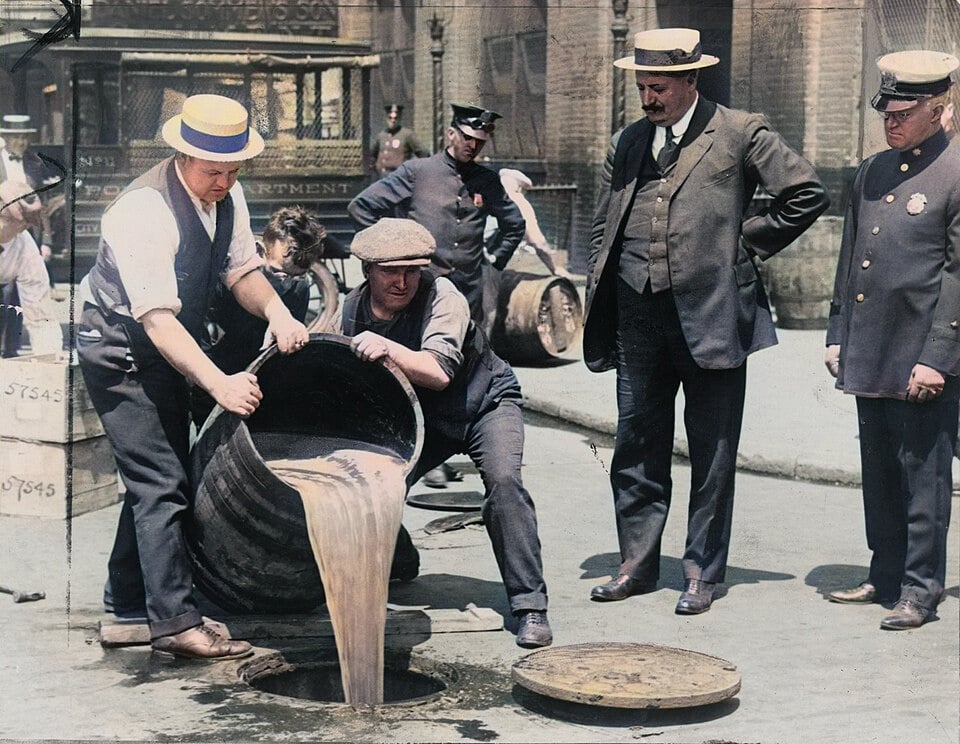
New York City Deputy Police Commissioner overseeing the disposal of confiscated liquor during Prohibition, c. 1921. Source: Library of Congress.

⬅ See all events from 28 October

Spread the word on your favourite platform!
On This Day in True Crime History

Subscribe to Dark Stories

True crime stories, dark history and tour news, straight to your inbox.