The Guildford Four were four young people wrongly convicted over a pub bombing campaign carried out by the IRA in Guildford, England, in 1974, and sentenced to life in prison after detectives extracted confessions during lengthy, uncharged interrogations. Three of the convicted were in their early twenties; the youngest was still a teenager.

Within a few years an IRA unit known as the Balcombe Street Gang admitted in custody that they, not the four, had carried out the attack, but the confession was dismissed and the convictions stood. It took more than a decade, and the discovery that police had secretly rewritten interview notes to match the statements used at trial, before the case collapsed. On 19 October 1989, after 15 years behind bars, the Guildford Four walked free.
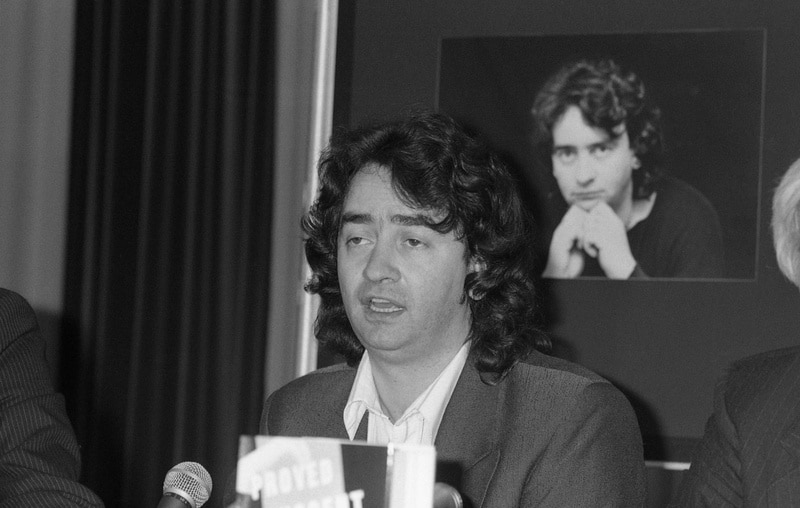

Gerry Conlon, One of the Guildford Four, wrongly jailed for the Guildford pub bombings in Surrey, England, at a book launch in London on June 11, 1990. | ID 11134005 © David Fowler | Dreamstime.com
ID 11134005 © David Fowler | Dreamstime.com

⬅ See all events from 19 October

Spread the word on your favourite platform!

Saddam Hussein, once the fifth president of Iraq, stood in the dock in Baghdad on this day in 2005 alongside seven co-defendants, charged with crimes against humanity before the newly formed Iraqi Special Tribunal. The man who had ruled Iraq for over two decades now faced judgement for the killings of civilians, a reversal few could have imagined just years earlier when he commanded absolute power.

The trial dragged on through outbursts, walkouts and the assassination of defence lawyers before Hussein was convicted. He was executed by hanging just over a year later, on 30 December 2006.

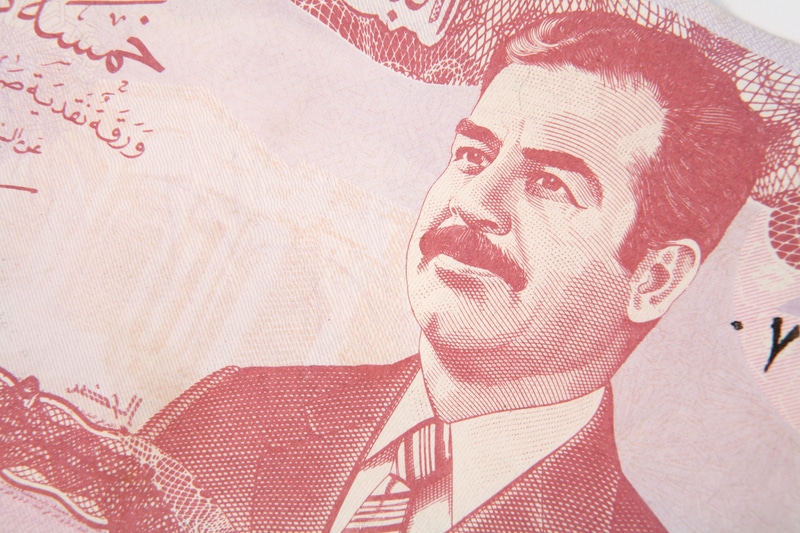
Baathist era 5 dinar Iraqi banknote with Saddam Hussein

⬅ See all events from 19 October

Spread the word on your favourite platform!

Richard Nixon had a choice: hand over the secret Oval Office recordings a court had ordered released, or dig in. On 19 October 1973, he chose defiance, rejecting an Appeals Court demand to turn over the Watergate tapes, recordings that held the conversations investigators believed would prove his role in the cover-up.

The refusal pushed Nixon to the edge of contempt of court and deepened a crisis that had already consumed his presidency. Rather than hand over the evidence, he tried to offer summaries in its place, a move that satisfied no one and only hardened suspicion that the tapes contained exactly what his accusers suspected. The standoff over those recordings would drag on for months, and it was the eventual release of the tapes that sealed his resignation the following year.

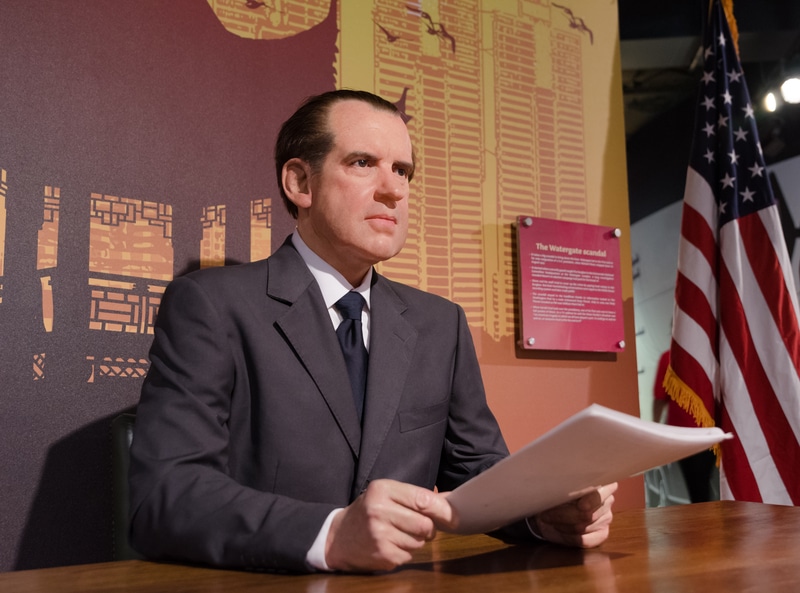
President Richard Nixon made of Wax. Wax figure Richard Nixon reading documents with american flag at desk | ID 59298060 © Lequint | Dreamstime.com
ID 59298060 © Lequint | Dreamstime.com

⬅ See all events from 19 October

Spread the word on your favourite platform!

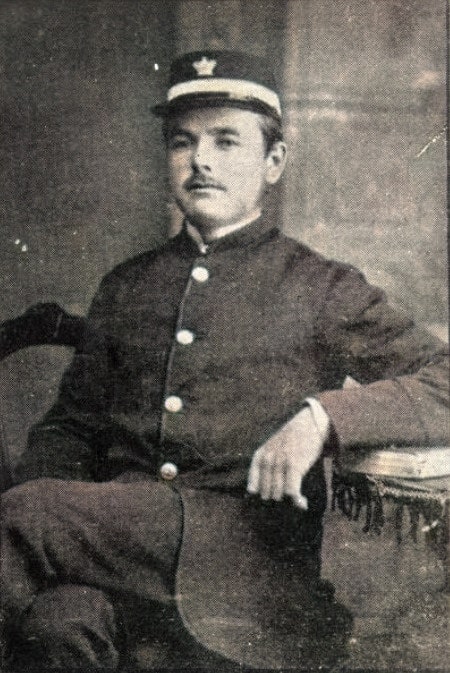
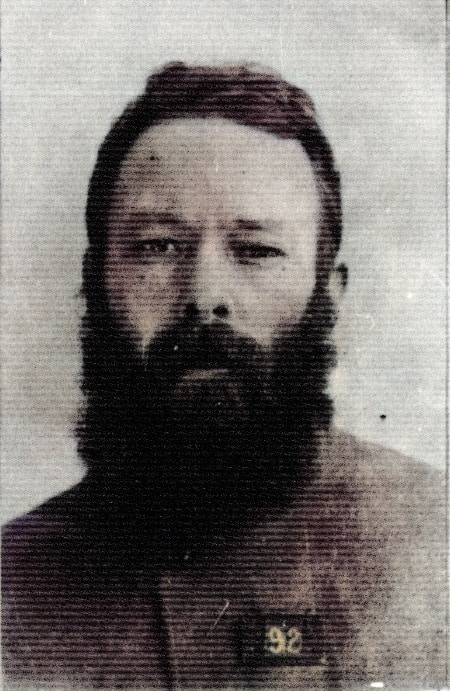
Lawrence Cummins once rode as a bushranger across New South Wales, but by the time disease caught up with him he had spent decades as someone else entirely. Living quietly under the assumed name James Long, he settled far from his old haunts and let the past disappear.

He died at Wodonga, Victoria, aged 66, of hepatitis, cirrhosis and Bright’s disease, and was buried in the local cemetery under the name his neighbours knew. Few, if any, of them ever learned they had been living alongside a man with a bushranging past.

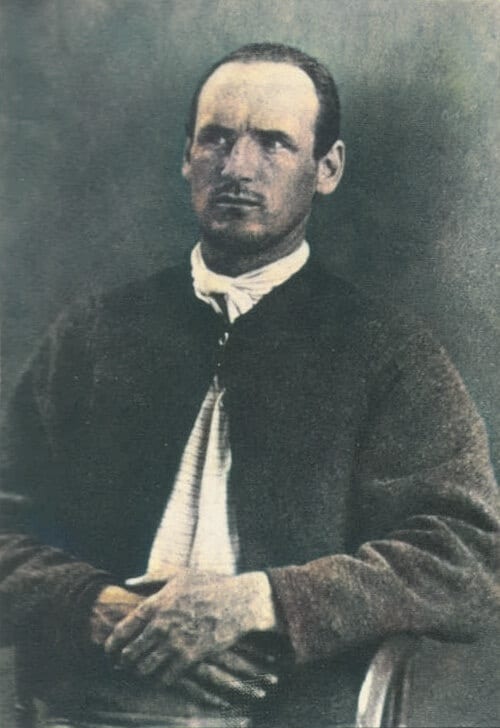
Bushranger Larry Cummins

⬅ See all events from 18 October

Spread the word on your favourite platform!
On This Day in True Crime History

Subscribe to Dark Stories

True crime stories, dark history and tour news, straight to your inbox.