1830: Bushranger Jack Donahue Shot Dead at Bringelly After Five Years as an Outlaw

On 1 September 1830, the notorious Irish-born bushranger Jack Donahue, known as one of the Wild Colonial Boys, was shot dead during a confrontation between his gang and mounted police near Bringelly, New South Wales. A party of eight closed to within a hundred yards of Donahue and friends undetected. When the bushrangers spotted them, Donahue pulled off his hat and defied the officers: ‘Come on, you cowardly rascals, we are ready, if there’s a dozen of you.’ After a standoff of nearly half an hour, shots were exchanged. A carbine ball and pistol ball fired by a mounted trooper struck Donahue in the left temple and neck, killing him instantly.

An inquest was held the following day at the Fox and Hounds Bar in Sydney, with his death being ruled justifiable homicide.

Donahue had been one of the most wanted men in the colony for five years as the figurehead of the Wild Colonial Boys. His death ended one of the most romanticised outlaw careers in early Australian history.
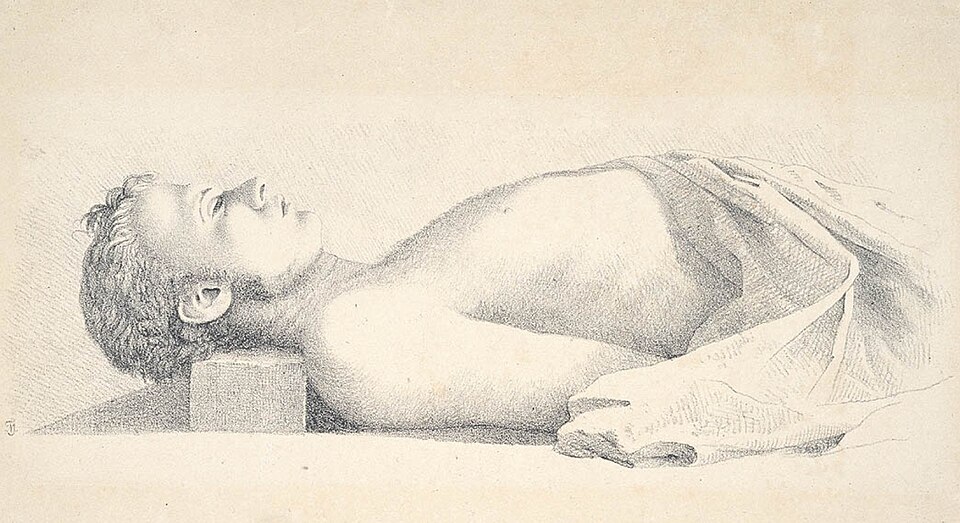

Drawing of the body of bushranger Jack Donahoe, c.1830. Attributed to Thomas Mitchell. Lithograph. Mitchell Library, State Library of New South Wales. Public domain.

⬅ See all events from 1 September

Spread the word on your favourite platform!
True Crime Scene Tape

1985: Night Stalker Richard Ramirez Captured by an Angry Mob in East Los Angeles

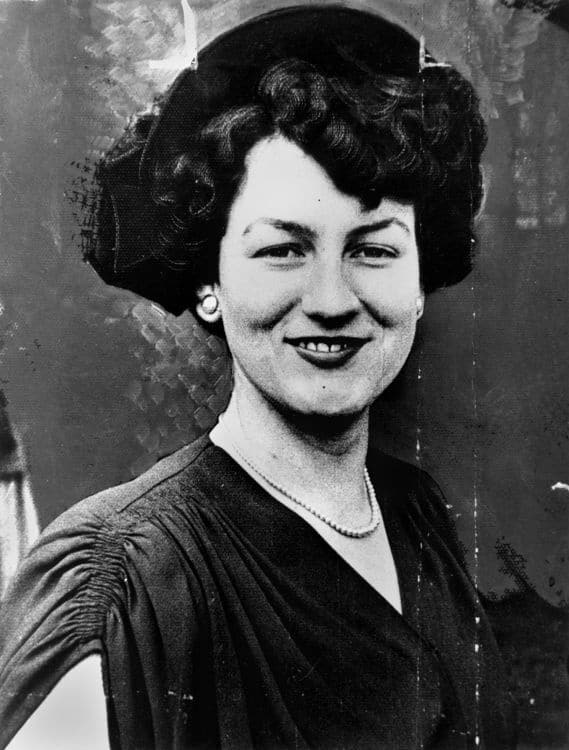
For months in 1985, Richard Ramirez, the Night Stalker, terrorised California, breaking into homes while families slept to assault, mutilate, and murder. His reign of terror ended not with a police operation but with a newspaper front page: once his mugshot was published across California media, his anonymity was gone.

On 31 August 1985, Ramirez attempted to carjack vehicles in the Boyle Heights neighbourhood of East Los Angeles. Residents recognised him, chased him down the sreet, and beat him to the ground before police arrived to take him into custody. Facing the mob, Ramirez reportedly confessed to officers, preferring arrest to the alternative.

Stalker captured
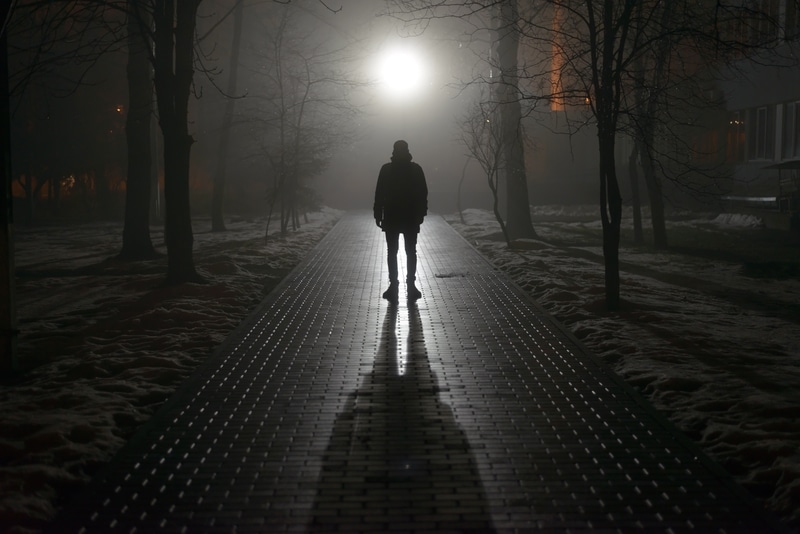
Stalker captured

⬅ See all events from 31 August

Spread the word on your favourite platform!
True Crime Scene Tape

1888: Jack the Ripper Claims His First Victim in Whitechapel

Mary Ann Nichols, known as Polly, was 43 years old, a divorced mother of five, and homeless on the night she died. In the early hours of 31 August 1888, she went to the streets of Whitechapel, London, to earn money for a bed. Her body was found before 4 a.m., her throat slashed with a long-bladed knife and her abdomen deeply cut. There were no witnesses.

Nichols became the first of at least five women murdered in and around Whitechapel between late August and early November 1888 by the killer who would become known as Jack the Ripper. Her death ignited intense press and public interest in both the murders and the desperate living conditions of London’s East End.

Despite countless theories, the killer Jack The Ripper, has never been identified.

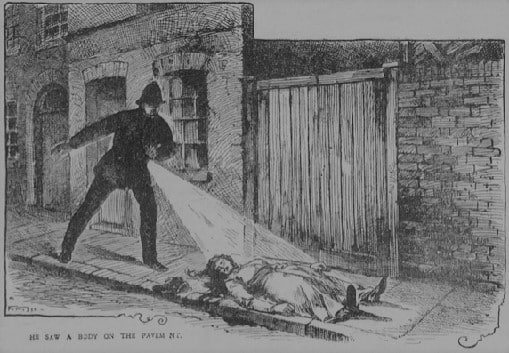
Illustration of PC Neil discovering the body of Mary Ann Nichols with his lantern. Unknown artist, 1888. Published in Famous Crimes Past and Present, c.1903. Public domain.

⬅ See all events from 31 August

Spread the word on your favourite platform!
True Crime Scene Tape

1825: Three Men Hanged at Hobart for Bushranging and Robbery

On an evening in July 1825, a gang of armed bushrangers descended on the home of Samuel Haywood in the Macquarie district of Van Diemen’s Land. One of the men posed as a letter carrier, tricking Mrs Haywood into opening the door before the others rushed inside. When Haywood moved for his gun, a pistol was fired at him during the confrontation.

The gang ransacked the house and escaped with an immense quantity of property, including clothing. They were later traced to a house near the Hobart Penitentiary, where their brazenness helped betray them: several were still wearing clothes stolen from Haywood and were immediately recognised by their victim.

At the Supreme Court, John Everist, Joseph Broadhead, Charles Bradbury and William Buckley were tried for the robbery. The Attorney-General remarked that almost every crime short of murder had been committed during the raid.

Everist, Broadhead and Buckley were convicted and hanged at Hobart on 31 August 1825.

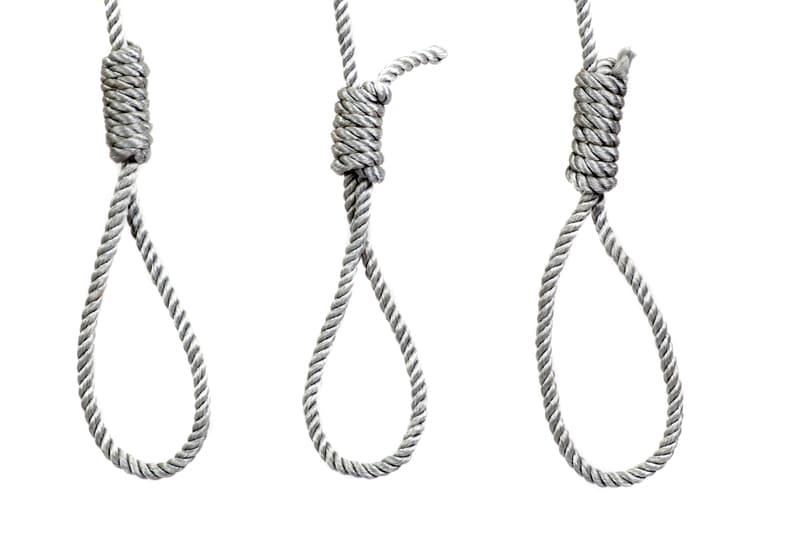
Three hanging noose ropes isolated on a white background

⬅ See all events from 31 August

Spread the word on your favourite platform!
True Crime Scene Tape
On This Day in True Crime History

Subscribe to Dark Stories

True crime stories, dark history and tour news, straight to your inbox.