He had survived gang wars, bribery and a carefully built image as a Robin Hood of the Chicago slums, but it was not a murder charge that finally caught Al Capone. Federal prosecutors built a case not on bootlegging or bloodshed but on unpaid taxes, a paper trail he had never bothered to hide.

When the original jury pool was found to have been tampered with, the judge swapped it out entirely on the morning of the trial, stripping away whatever quiet deals Capone’s men had arranged in advance. The replacement jurors heard days of complex financial testimony, then took just nine hours to convict. On 17 October 1931, Capone was sentenced to 11 years in federal prison, the longest tax evasion sentence ever handed down to that point, ending the public myth with a ledger rather than a gun.
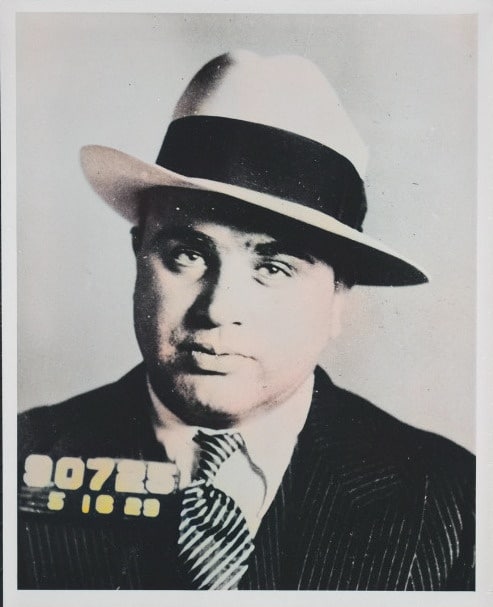

Al Capone, Philadelphia, 16 May 1929. U.S. National Archives, NAID 24520406. Use unrestricted.

⬅ See all events from 17 October

Spread the word on your favourite platform!

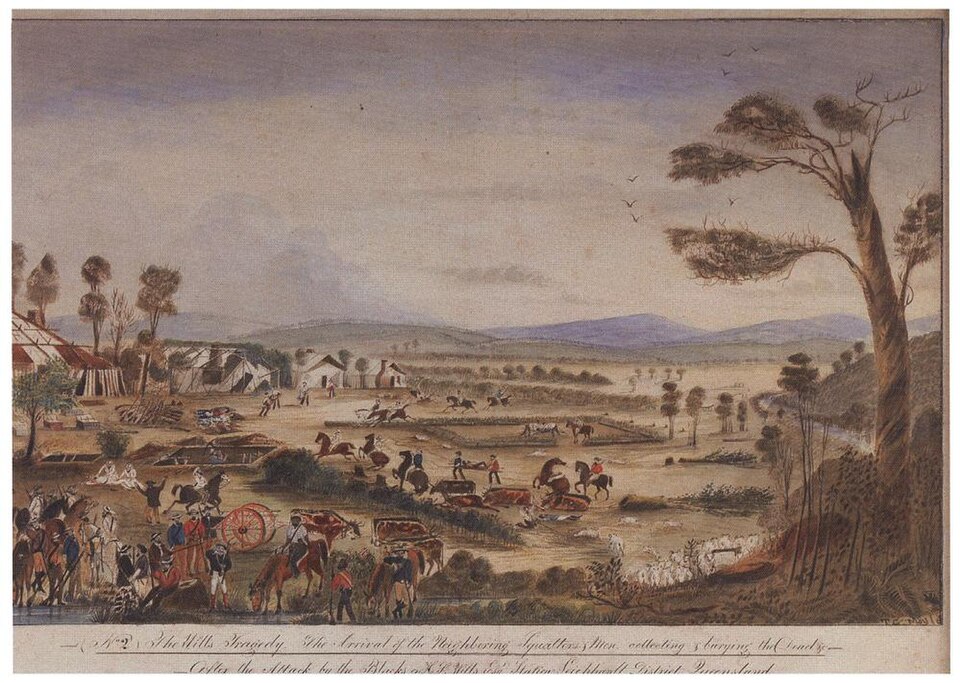
In October 1861 the politician Horatio Wills led an enormous settler train, more than 10,000 sheep and a line of bullock wagons, onto Gayiri land in Central Queensland to establish a cattle station at Cullin-la-ringo, without seeking permission from the people whose country it was. Tensions were already high: a neighbouring squatter had wrongly accused Gayiri men of stealing cattle and had several killed over it.

On 17 October, Aboriginal people who had been passing through the camp all day attacked, killing nineteen of the twenty-five settlers present, including Wills himself. Only a handful escaped, among them his teenage son Tom Wills, later a celebrated cricketer and co-founder of Australian rules football.

The arrival of the neighbouring squatters and Mon collecting and burying the dead. By T.G.Moyle: 1861

⬅ See all events from 17 October

Spread the word on your favourite platform!

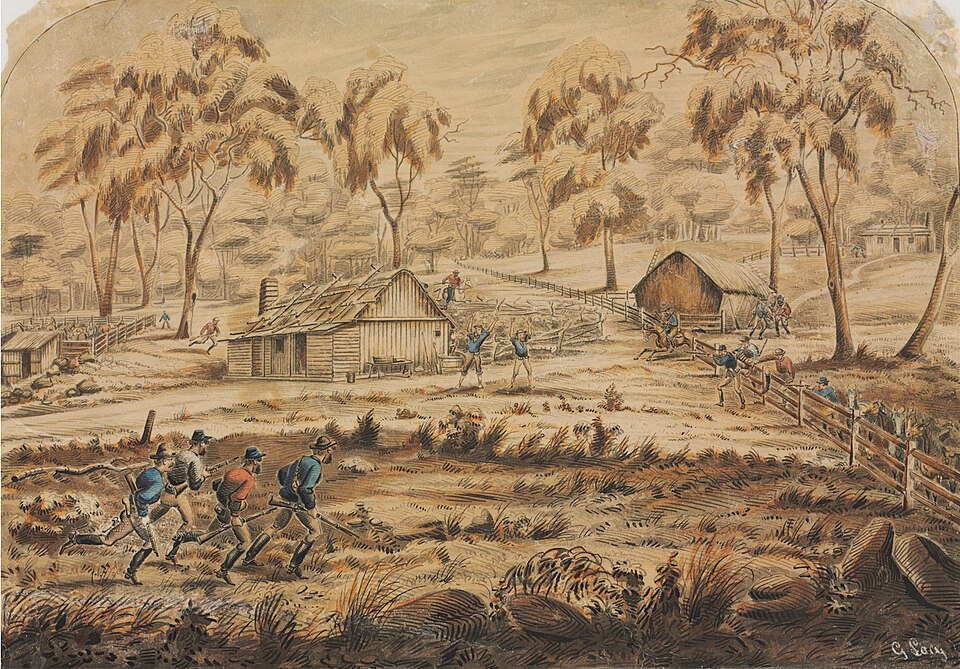
Matthew Craven and Thomas Cavanagh rode with a bushranging gang led by Patrick Sullivan that terrorised stations around Bathurst for half a year, robbing homesteads, stealing horses and holding settlers at gunpoint. Captured after a shootout at a bark hut, the pair pleaded guilty at trial to burglary and theft and were sentenced to hang.

On 16 October 1826 they left Sydney Gaol with three other condemned men bound for Burwood, where they were hanged before a large crowd that morning. Straight afterwards, the two men, Craven and Cavanagh travelled further on on to the Western Road near Parramatta, arriving about noon to face their own gallows.

Witnesses said their contrition was conspicuous; Craven, described as barely twenty, reportedly hung his head and sobbed bitterly as the ropes were fitted.

Bushrangers in action: Water colour drawing created by George Lacy 1867

⬅ See all events from 16 October

Spread the word on your favourite platform!

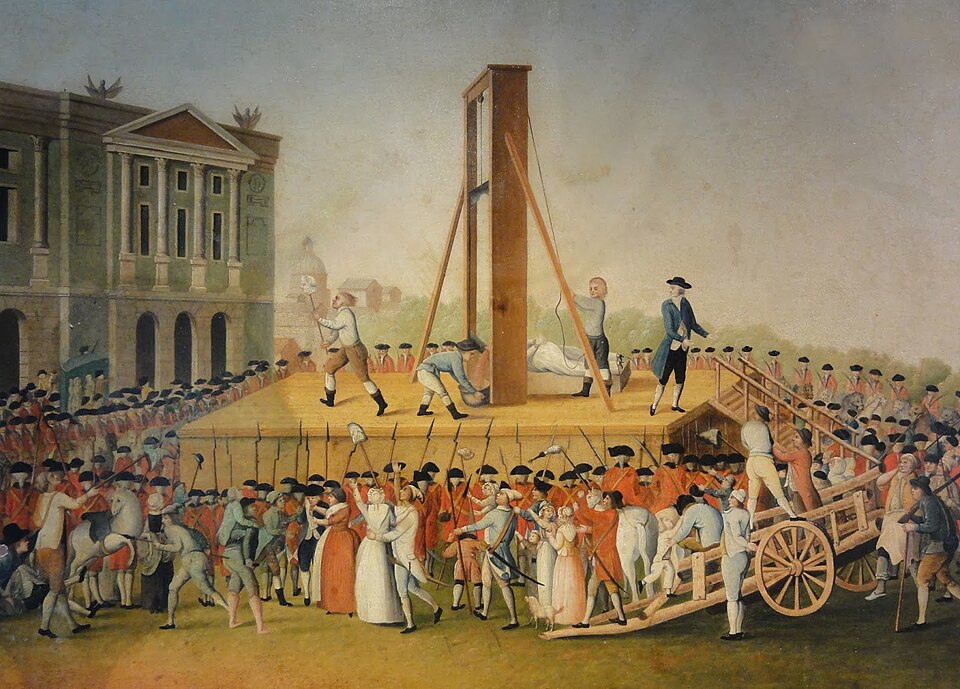
Nine months after her husband Louis XVI went to the guillotine, Marie Antoinette followed him, tried by the Revolutionary Tribunal for treason against the new French Republic. Her hair had been cropped and her wrists bound behind her back; she rode to the Place de la Revolution in an open cart, not the closed carriage that had carried the king. Witnesses recorded that climbing the scaffold she stepped on her executioner’s foot and murmured an apology, a small, almost absurd courtesy moments before the blade fell on 16 October 1793. The crowd that had once cheered a queen watched in silence.

Marie Antoinette's execution in 1793
Marie Antoinette’s execution in 1793

⬅ See all events from 16 October

Spread the word on your favourite platform!
On This Day in True Crime History

Subscribe to Dark Stories

True crime stories, dark history and tour news, straight to your inbox.