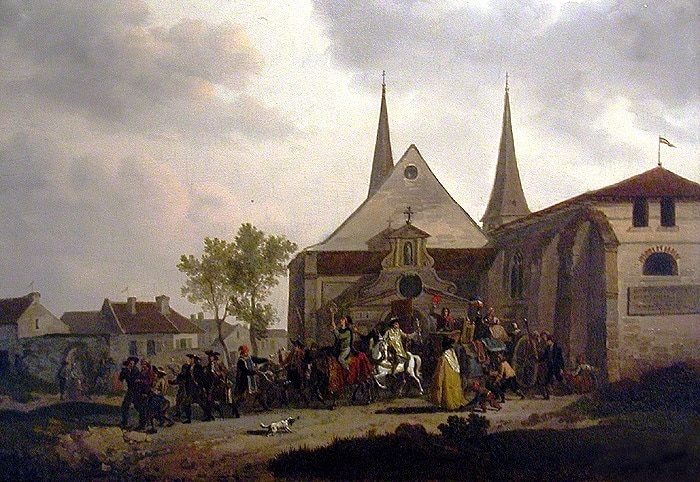
Robert Hubert, a French watchmaker, confessed to starting the Great Fire of London, claiming he had thrown a fireball through a bakery window to set the blaze alight. Records showed he had not even set foot in England until two days after the fire began, and neither the judges nor the jury who tried him believed he was guilty.

He was hanged at Tyburn on this day in 1666 anyway. Afterwards, a crowd of Londoners tore his body apart before it could be handed over to the Company of Barber-Surgeons for dissection.

Hubert never withdrew his confession, insisting to the end that he had set the fire, even as the evidence against his own story mounted.
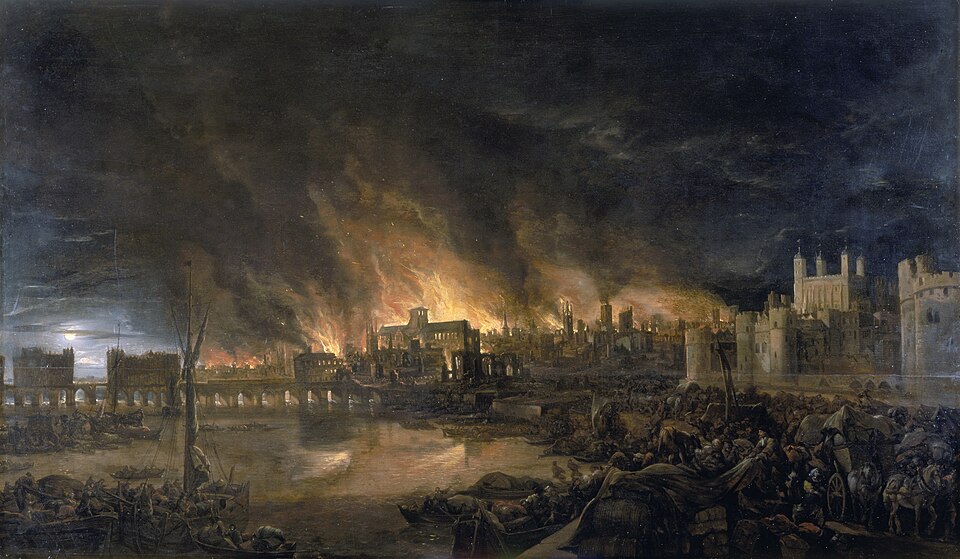

The Great Fire of London

⬅ See all events from 27 October

Spread the word on your favourite platform!

Snowy Cutmore had spent months hiding in Sydney after the gangland killing of an ally, but by late October 1927 he was back in Melbourne, lodging with his mother in Carlton. At the races he ran into his old rival Squizzy Taylor and the two traded threats in public; within days Cutmore came down with influenza and took to his sickbed.

On 27 October 1927, Taylor and an accomplice hired a car, drove to the house and walked straight into Cutmore’s bedroom. Gunfire erupted between the bedridden man and his visitors: Cutmore was hit five times, his mother was wounded by a stray bullet as she rushed in, and Taylor himself staggered out mortally wounded, dying in hospital within the hour.

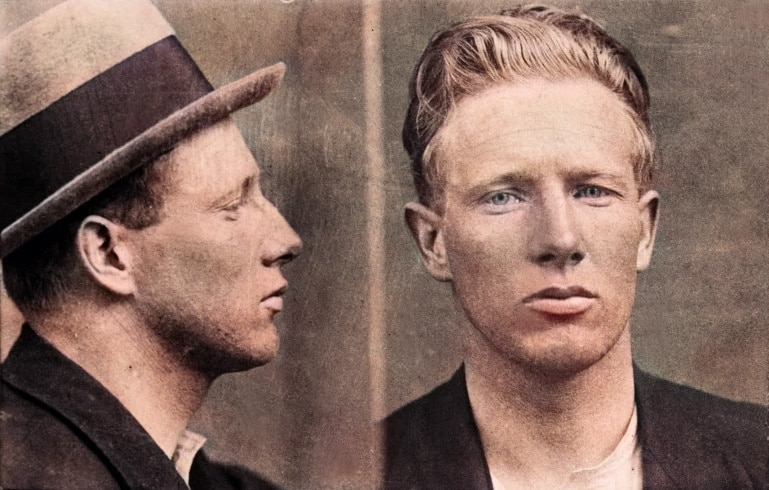
Snowy Cutmore dual portrait image from 1920

⬅ See all events from 27 October

Spread the word on your favourite platform!

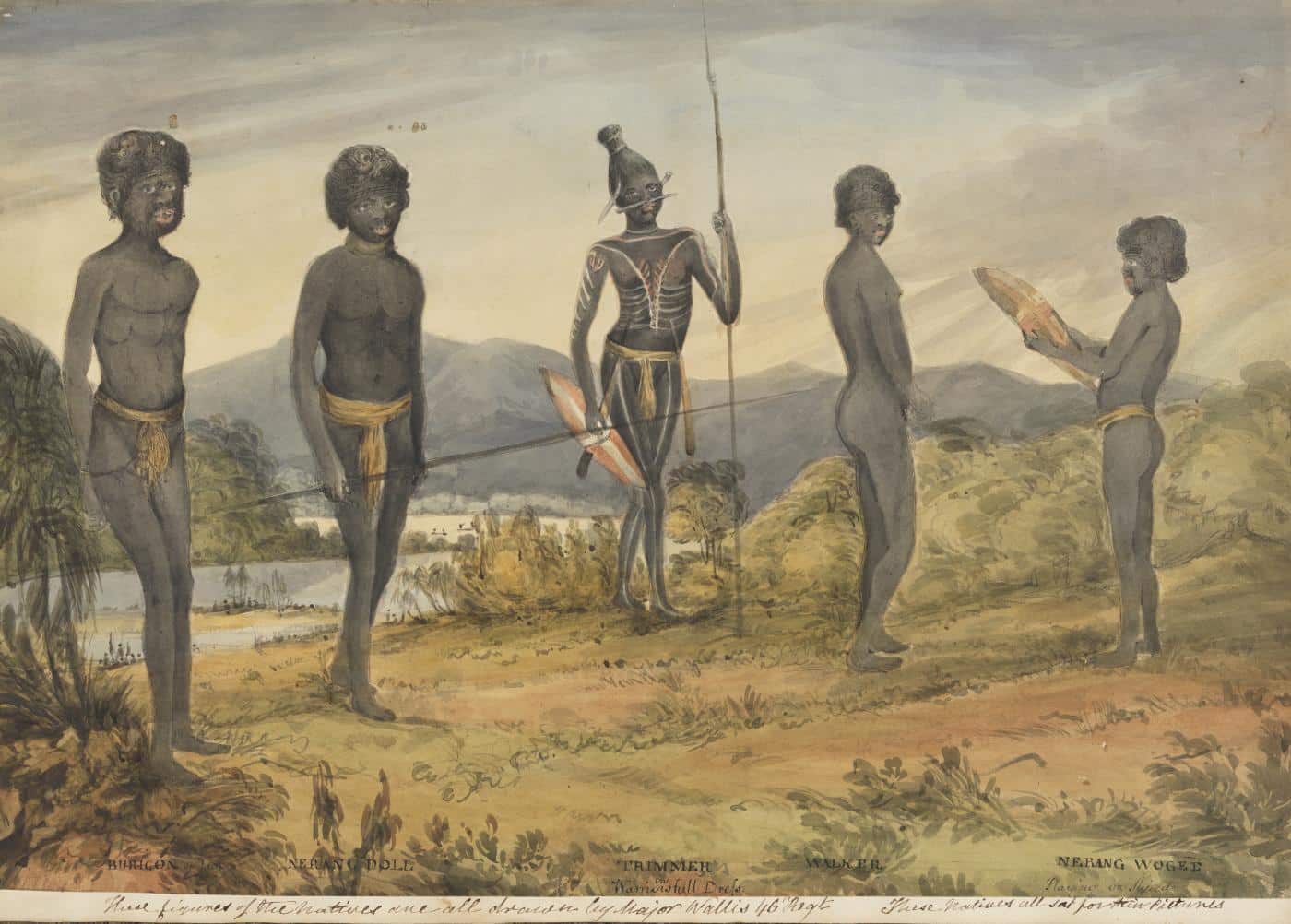
Burigon, a widely respected leader among the Aboriginal people near Newcastle, had helped track down an escaped convict named John Kirby and was escorting him back to the settlement when Kirby turned on him with a knife, driving the blade into his abdomen.

The wound proved fatal. Burigon lingered for eleven days before dying on 27 October 1820, a loss felt deeply in a district where relations between Aboriginal people and the colony had been better than elsewhere in NSW districts.

Aboriginal people of New South Wales(Burigon on left), c. 1817–1818. Artwork by Captain James Wallis and Joseph Lycett. Public domain. Source: State Library of New South Wales.

⬅ See all events from 27 October

Spread the word on your favourite platform!

Paul Avery had spent months covering the unidentified killer terrorising Northern California for the San Francisco Chronicle, turning his byline into the public face of the investigation. That attention made him a target of the very man he was writing about.

On 27 October 1970, the Zodiac Killer sent a letter addressed directly to Avery, taunting the journalist for the coverage that had made his name synonymous with the case. The killer was never identified, and the letter remains one of the eeriest pieces of correspondence in a case still unsolved more than half a century later.

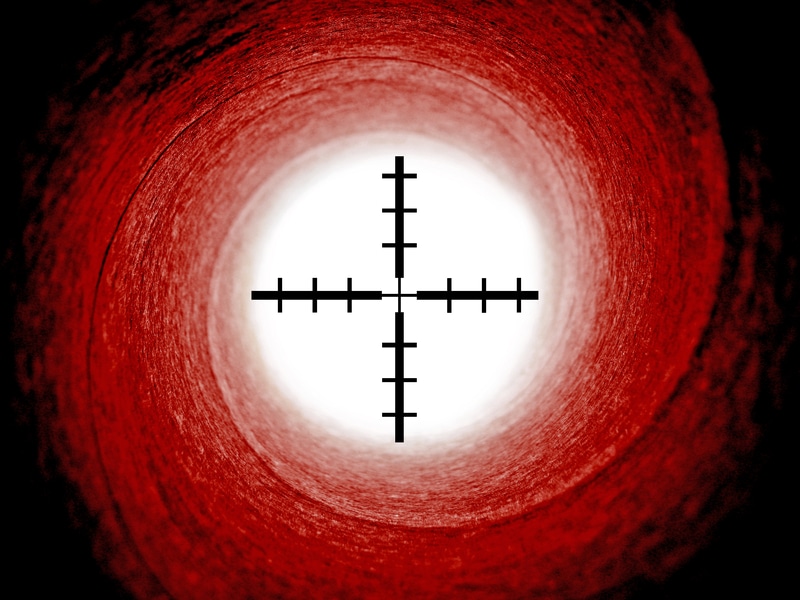
Symbolism
Symbolism

⬅ See all events from 27 October

Spread the word on your favourite platform!
On This Day in True Crime History

Subscribe to Dark Stories

True crime stories, dark history and tour news, straight to your inbox.