1985: Jeremy Bamber Kills Five Family Members at White House Farm

At 3:26am on 7 August 1985, Jeremy Bamber called Essex Police claiming his adoptive sister Sheila had gone berserk with a rifle at the family farm in Tolleshunt D'Arcy. Officers arrived to find a scene staged to look like a murder-suicide: Bamber's adoptive father Neville shot multiple times in the kitchen, mother June dead in her bedroom, and Sheila's six-year-old twins shot in their beds. Sheila herself lay dead, clutching a rifle and a bible, shot through the throat.

The scene appeared so convincing that police initially accepted the murder-suicide theory and even helped Bamber burn bloodstained carpets and bedding. It was Bamber's former girlfriend who broke the case, telling police he had confessed the killings to her. Forensic evidence, including a silencer found at the farm bearing traces of Sheila's blood inside the barrel, proved she could not have shot herself with it attached. Bamber was convicted in 1986 and sentenced to five concurrent life terms, later made whole life, meaning he will never be released.


Jeremy Bamber Kills Five Family Members at White House Farm

⬅ See all events from 7 August

Spread the word on your favourite platform!

1890: William Kemmler: The First Man Executed by Electric Chair

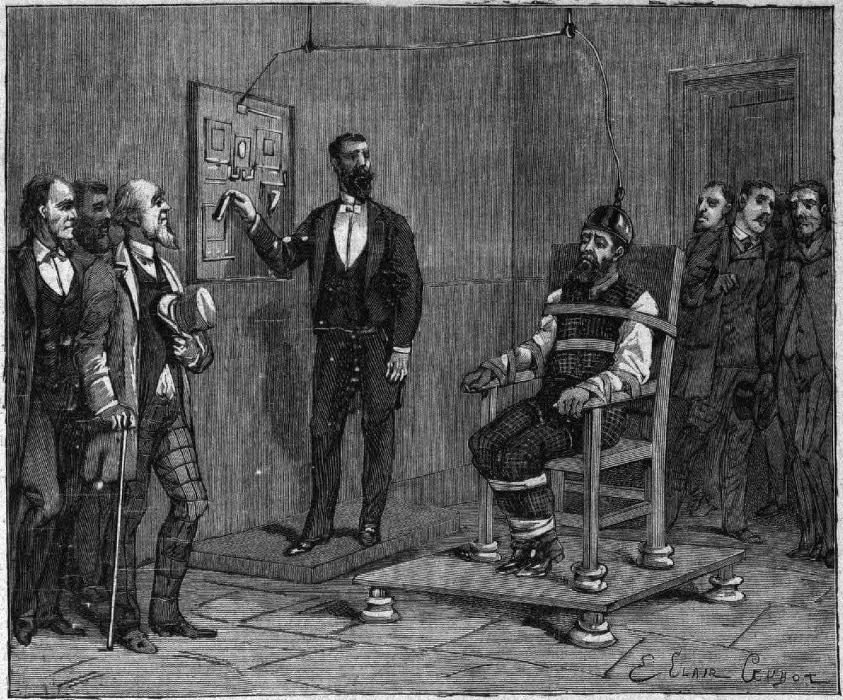
William Kemmler, a vegetable peddler from the slums of Buffalo, New York, became the first person in history executed by electric chair. On March 29, 1889, in the grip of a drunken rage, he accused his common-law wife Matilda 'Tillie' Ziegler of theft and betrayal, retrieved a hatchet from the barn, and beat her to death. He then walked to a neighbour's house and announced what he had done.

Convicted of first-degree murder in May 1889 and sentenced to death, Kemmler was chosen as the inaugural test of New York's new electrocution law, which had replaced hanging on January 1, 1888. His execution at Auburn Prison on August 6, 1890 did not go smoothly. Developers including George Westinghouse had fought to block use of their technology for executions, and legal appeals argued the chair violated the Eighth Amendment's ban on cruel and unusual punishment. The appeals failed, and Kemmler died in the chair, though witnesses reported the process was prolonged and deeply disturbing.

Illustration of a man executed by electrocution in electric chair

⬅ See all events from 6 August

Spread the word on your favourite platform!

1861: Nathaniel Ruby Hanged at Melbourne Gaol for the Murder of a Fellow Miner at Tarnagulla

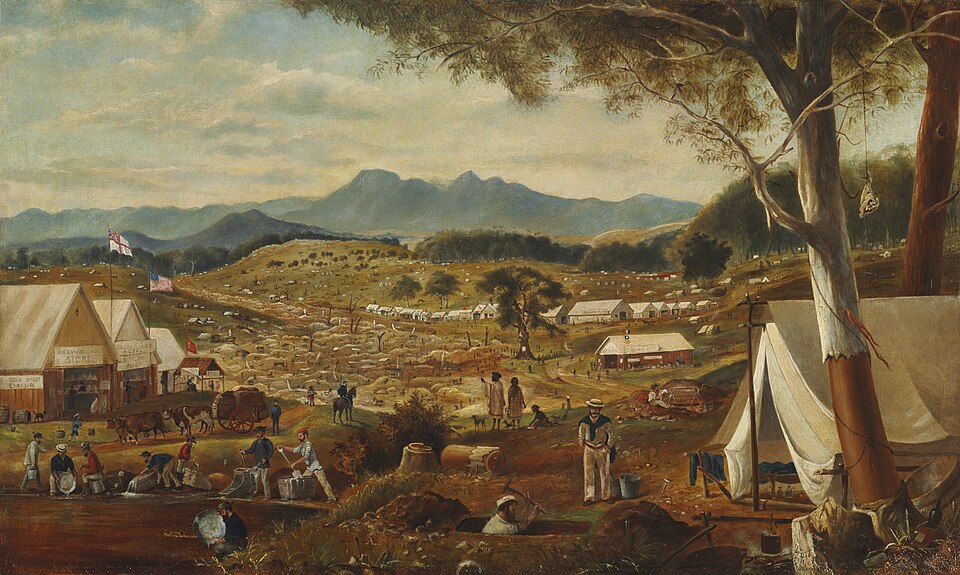
At Sandy Creek, near Tarnagulla, the body of Joseph Watson was discovered at the bottom of a deep mine shaft in August 1861. He had been beaten to death, his skull crushed by repeated blows. Two large bloodied stones were found nearby. Nathaniel Ruby, a former mate of the deceased, had already confessed to a woman named Mary Ann Annersley, telling her he would kill Watson after learning she had been with him. Hours later he returned and told her plainly: 'I have killed Joe, he is for the grave and I'm for the gallows.'

Ruby was arrested on the strength of Annersley's account and the physical evidence recovered from the shaft. He was tried, convicted, and hanged at Melbourne Gaol on 5 August 1861. Watson had recently found a gold nugget worth around 150 pounds; how much remained on him at the time of his death was never established.

Ruby's own words to Annersley on the night of the killing served as the most damning evidence against him: 'I have killed Joe, he is for the grave and I'm for the gallows.'

Golden nuggets in the museum. Gold in nuggets | ID 189813062 © Lyaschock | Dreamstime.com
ID 189813062 © Lyaschock | Dreamstime.com

⬅ See all events from 5 August

Spread the word on your favourite platform!

1919: The Fitzroy Vendetta Erupts: Shots Fired into a Sly-Grog Shop, Squizzy Taylor Acquitted

On the night of 5 August 1919, shots were fired into a sly-grog shop at 31 Fleet Street, Fitzroy, wounding three people: Minnie Clarke, Dick Paget, and James Darcy. All three were treated at St Vincent's Hospital and all three refused to speak to police. The attack was part of the bloody Fitzroy Vendetta, a running war between Richmond and Fitzroy underworld factions that had left a trail of shootings across Melbourne.

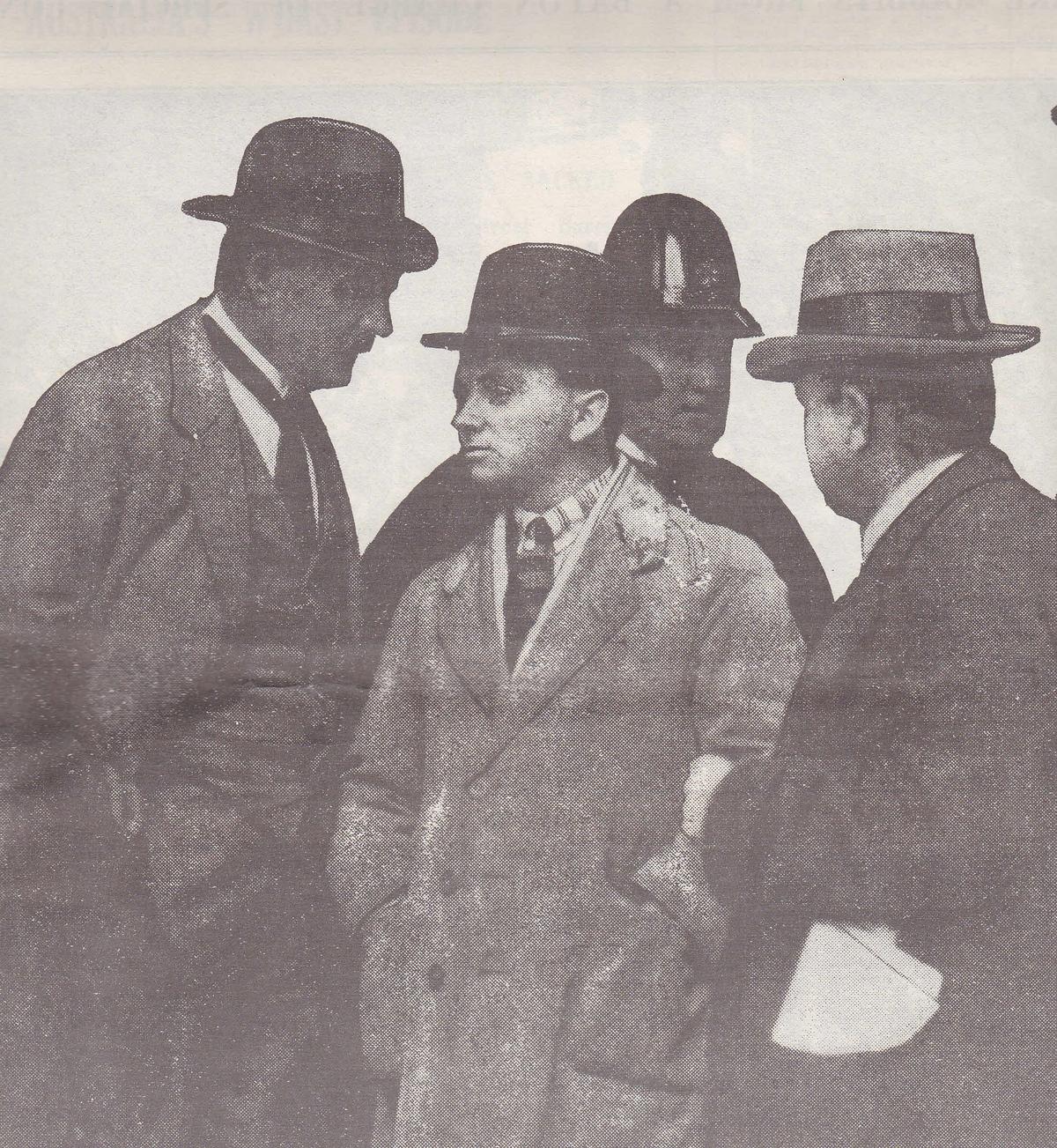
Police observed Leslie "Squizzy" Taylor and two other men leave the area by motor-car in the early hours and arrested him the following day in Bourke Street. At the Fitzroy Court, witnesses including a horse trainer, a miner, and a bookmaker's clerk all placed Taylor inside a nearby house at the time of the shooting. The bench acquitted him. It was a result that would define his career: ten prior convictions, a reputation as a sneak thief and companion of thieves, and a courtroom that could never quite catch him.

Squizzy Taylor surrendering to police, September 1922. Image: The Sun, Melbourne, 22 September 1922. Public domain in Australia.
Squizzy Taylor

⬅ See all events from 5 August

Spread the word on your favourite platform!
On This Day in True Crime History
1858·The Rope Broke, So They Hanged Him Again: Samuel Gibbs Executed in Melbourne for the Murder of His Wife
1858·He Named Four Innocent Men as the Killers: Hanged in Melbourne for a Ballarat Murder
1929·She Asked for a Kiss, Then Bled to Death: Frederick Carr Hanged in Adelaide for Murdering His Wife
1963·The Royal Commission That Cleared Brisbane Police, Then Unravelled as a Cover-up
More Crime On This Day →

Subscribe to Dark Stories

True crime stories, dark history and tour news, straight to your inbox.