1865: The Peacemaker Was the One Who Died: Patrick Sheehan Hanged at Beechworth for the Murder of Publican James Kennedy

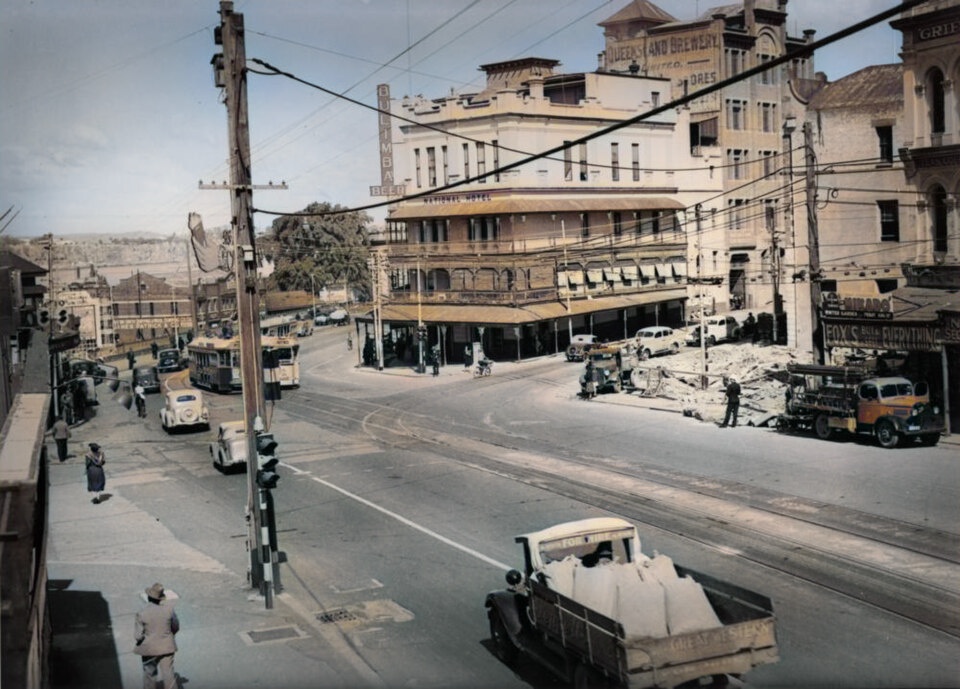
In the bar of the National Hotel at Rowdy Flat, near Yackandandah, a drunken brawl broke out between Patrick Sheehan and another miner, Neville. James Kennedy, the publican, stepped out from behind his bar only to keep the peace; he was not part of the fight and had given Sheehan no provocation beyond refusing him more drink on credit. When the scuffle briefly quietened, Sheehan slipped away, and a bystander, seeing him go, called out a warning that chilled the room: "Sheehan is gone for something." Kennedy locked the door, but when Sheehan came back demanding to be let in, he opened it rather than provoke him further, and was met with a knife driven into his side.

Kennedy died the next day. Sheehan was tried and convicted of wilful murder, then hanged within Beechworth Gaol on this day in 1865, one of the first executions carried out there rather than the usual practice of hauling the condemned nearly 200 miles in an open wagon to a distant gaol.

He went to the gallows calm and resigned, asking only that his cap be lifted for a moment so he could say, "God bless you all, and God forgive me; that will do." He always maintained he remembered nothing of the killing, writing from his cell beforehand: "I do not remember anything of the dreadful occurrence of which I am found guilty."
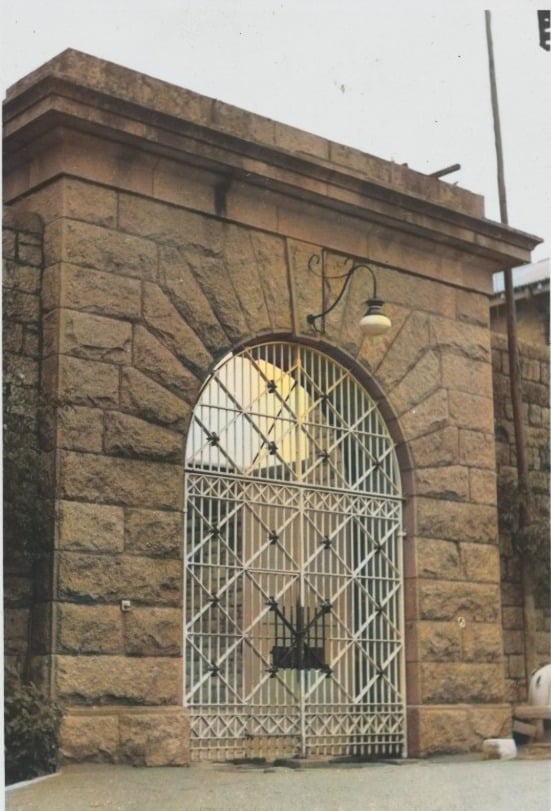

The iron gates of Beechworth Gaol

⬅ See all events from 6 November

Spread the word on your favourite platform!

1895: "Poor Don, We Will Meet in Heaven": George Lynch Hanged in Adelaide for a Jealous Pursuit Murder

George Lynch and his young travelling companion Donald Ross had walked overland from Queensland to South Australia together, but by the winter of 1895 the mateship had curdled into obsession. Lynch chased Ross with a knife, wrote him letters promising there would be no mercy next time, and warned a bystander, "For two pins, I'd drill a hole through you."

On 24 August 1895, in rural South Australia north of Adelaide, Lynch ran Ross down beside a creek as the youth fled and shot him. Children watching from a nearby farmhouse saw Lynch fire a second shot as Ross fell, then kneel over the body, kiss his forehead and murmur, "Poor Don; we will meet in heaven."

His barrister argued provocation had reduced the killing to manslaughter, but a jury found Lynch guilty of wilful murder. He was hanged in Adelaide on this day in 1895, joking with the hangman over his skill with the rope and remarking, "What a lovely morning it is," as he mounted the scaffold.

Lynch left a written confession describing the killing as the result of a sudden fit of temper, adding, "If I had only thought for a moment, it would never have happened."

Sunset at Murder Creek

⬅ See all events from 6 November

Spread the word on your favourite platform!

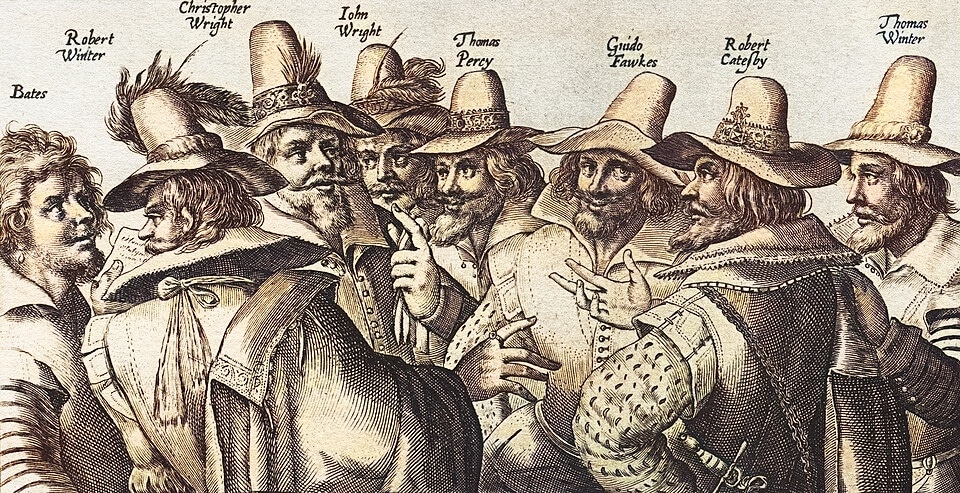
1605: Thirty-Six Barrels of Gunpowder Beneath Parliament: the Plot That Gave England Guy Fawkes Day

Guy Fawkes was discovered around midnight with a lantern, matches and a fuse, guarding thirty-six barrels of gunpowder concealed beneath the House of Lords. The conspirators planned to kill King James I and much of England's political leadership in a single explosion, then seize the king's young daughter and establish a Catholic monarchy. An anonymous letter warning a nobleman to stay away from Parliament had prompted the search that exposed the plot.

Fawkes was arrested in the early hours of 5 November 1605 and initially refused to name his accomplices. Under torture, he eventually confessed, helping authorities uncover the wider conspiracy. Tried for treason, he was executed in January 1606. But the failed plot became an enduring English tradition, commemorated each fifth of November with bonfires and, later, effigies of Guy Fawkes.

Portraits of the gunpowder plot conspirators

⬅ See all events from 5 November

Spread the word on your favourite platform!

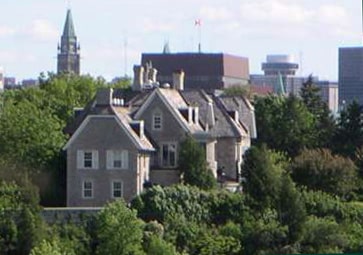
1995: Locked Out: How the Wife of the Canadian Prime Minister Foiled an Armed Intruder

Andre Dallaire scaled the fence of the official residence in Ottawa and crept toward the bedroom where Prime Minister Jean Chretien lay asleep, a knife in his hand and murder on his mind. It was Aline Chretien who heard him first.

Acting fast, she pushed the heavy bedroom door shut and held it locked while Dallaire tried the handle from the other side, then slipped away to raise the alarm with security on this day in 1995. Guards arrested him minutes later, still inside the residence, and no one was harmed.

Dallaire was later found not criminally responsible for the break in due to a diagnosed mental illness, and was committed to psychiatric care rather than tried as a would be assassin.

Exterior rear view of official residence building

⬅ See all events from 5 November

Spread the word on your favourite platform!
On This Day in True Crime History
1858·The Rope Broke, So They Hanged Him Again: Samuel Gibbs Executed in Melbourne for the Murder of His Wife
1858·He Named Four Innocent Men as the Killers: Hanged in Melbourne for a Ballarat Murder
1929·She Asked for a Kiss, Then Bled to Death: Frederick Carr Hanged in Adelaide for Murdering His Wife
1963·The Royal Commission That Cleared Brisbane Police, Then Unravelled as a Cover-up
More Crime On This Day →

Subscribe to Dark Stories

True crime stories, dark history and tour news, straight to your inbox.