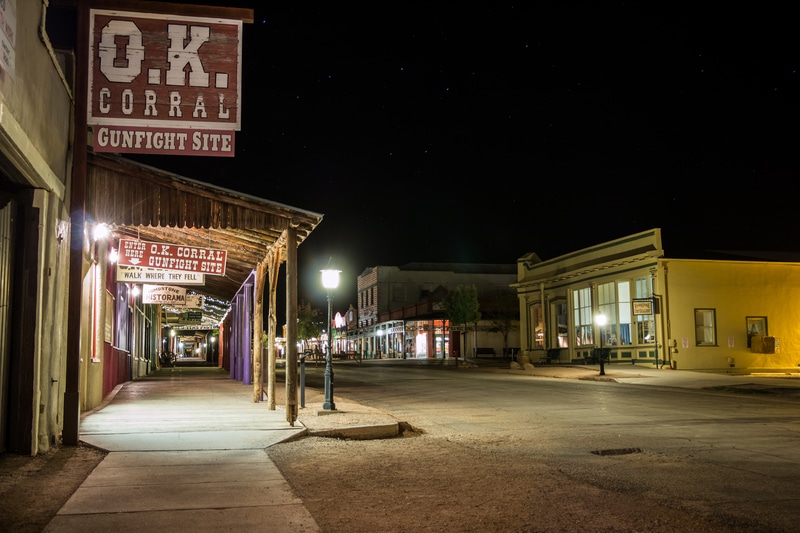
Weeks after the gunfight that made Tombstone, Arizona infamous, two of the men who had fired the shots found themselves behind bars instead of being hailed as lawmen. Wyatt Earp and Doc Holliday were jailed on this day in 1881 as hearings opened into the killings outside the O.K. Corral, their claim of having acted within the law now the very question the court had to decide.
The shootout had already split the town between those who saw the Earp faction as defenders of order and those who saw cold-blooded killers in badges. With the hearing looming, that argument moved from the street into the courtroom, and the men who had walked away from the gunfight unscathed now faced the possibility of hanging for it.
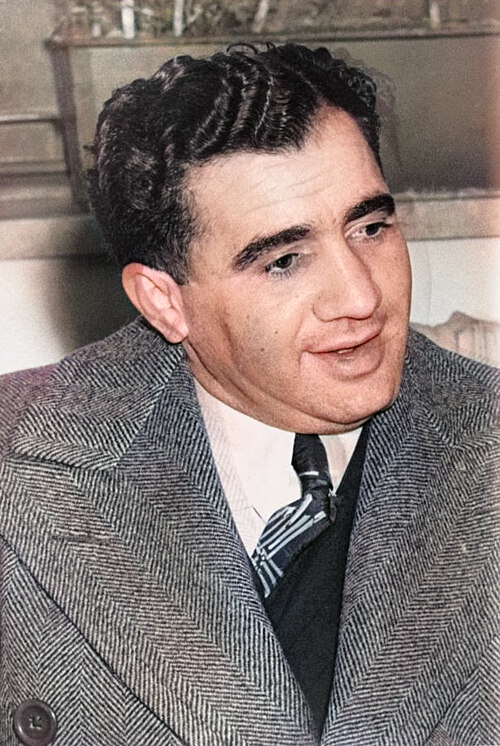
Richard Ramirez had terrorised California through 1984 and 1985, breaking into homes at night to kill, and when he was finally sentenced on this day in 1989, the courtroom saw the same chilling indifference that had defined his trial. He received nineteen death sentences for his string of murders, one of the largest capital verdicts in California history.
Asked for comment afterwards, Ramirez shrugged off the sentence entirely. He told reporters, "Big deal. Death always went with the territory. See you in Disneyland." He was sent to death row to await an execution that, due to decades of appeals, never came; he died of natural causes in 2013 while still awaiting it.
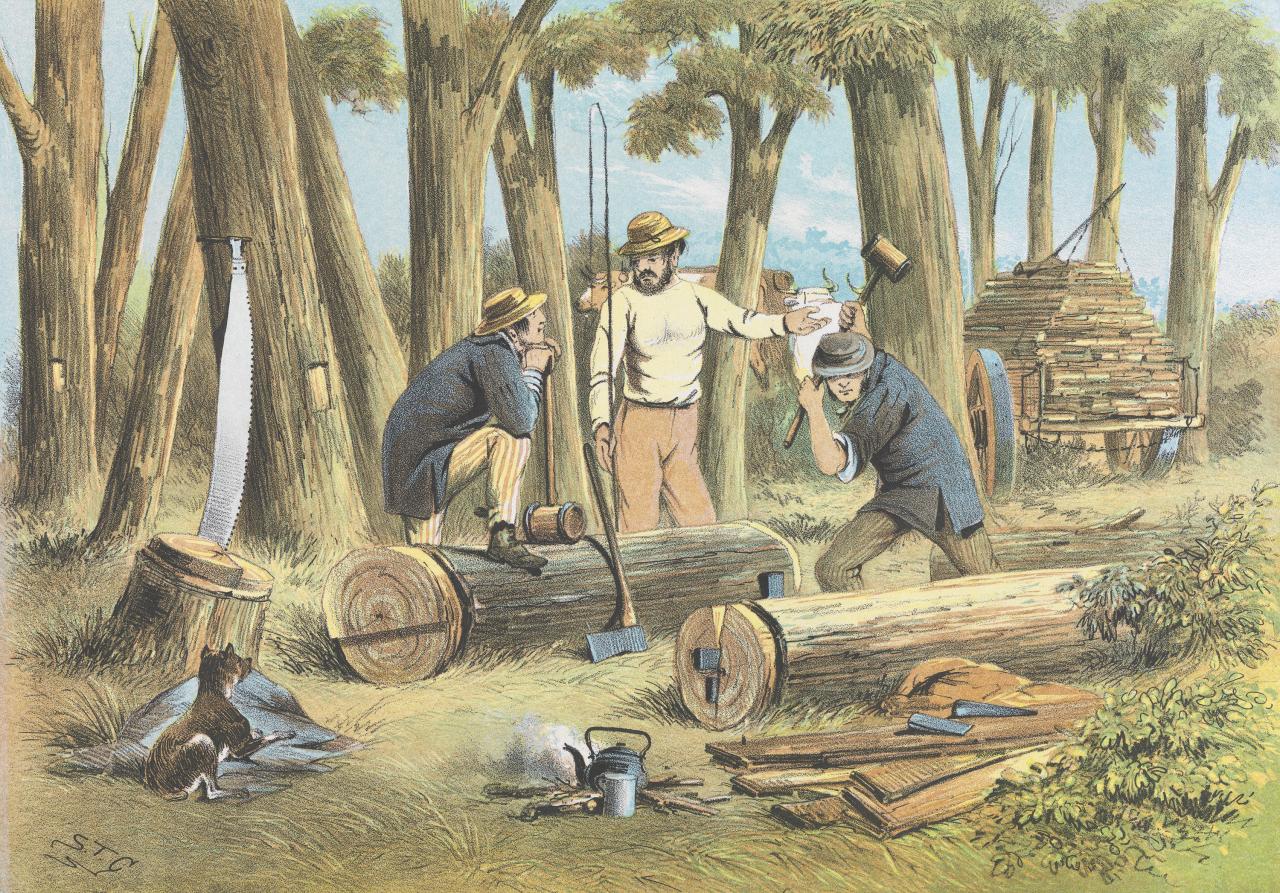
John Mason and his mate, a big, powerfully built man known only as "Big George," worked together splitting timber near Ballan, a small settlement outside Ballarat. George had a habit of manhandling his smaller partner, once tossing him onto their campfire and holding him there until his clothes burned. That history of cruelty, Mason later claimed, was what finally drove him to pick up an axe and strike George dead with a single blow.
Unable to move the heavy body, Mason spent the night dismembering it and feeding the remains into the fire, concealing the head elsewhere. When searchers cornered him in the bush, he refused to reveal its location until they gave him tobacco and tea. He then directed them to rake through the ashes, where the skull was discovered.
Mason never denied the killing. When a trooper confronted him, he admitted "he had done it, and was not ashamed to own it." Tried for murder, he was convicted despite the jury's recommendation for mercy and hanged in Melbourne on this day in 1857.
Timber Splitters artwork by S T Gill: National Gallery of Victoria, Melbourne
James Murphy was awaiting trial for horse theft in the Warrnambool jail when Constable Daniel O'Boyle walked him across to the courthouse on 4 August 1863 to light the morning fires. As O'Boyle knelt at the grate, Murphy came up from behind and beat him down with a mason's hammer, then calmly shut the door on his dying victim and walked off as if nothing had happened.
He was run down two days later at a dairy station on the Hopkins River, where he told his captors he had not meant to kill the constable, insisting he had "only struck him once"; he blamed the attack on how "brutally treated" he said he had been in the watchhouse.
At trial his defence argued that, taken from the jail without a fresh warrant, Murphy had been held unlawfully and any killing committed while escaping could be no more than manslaughter; the jury rejected it and convicted him of murder. He was hanged at Geelong on this day in 1863, with the hangman specially sent from Melbourne turning out to be an old friend of Murphy's from their years together in Tasmania; recognising him, the executioner wept before composing himself and carrying out the sentence.
Murphy made no address on the scaffold and offered no formal confession, though at trial he had all but admitted killing O'Boyle, claiming only that it followed a struggle rather than a cold attack.
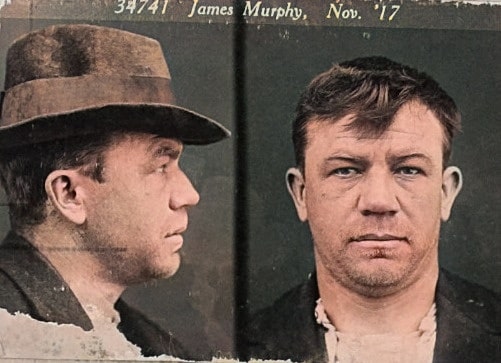
James Murphy: Public Record Office Victoria, Central Register of Male Prisoners, VPRS 515/P0000, Prisoner Nos. 34624–35049