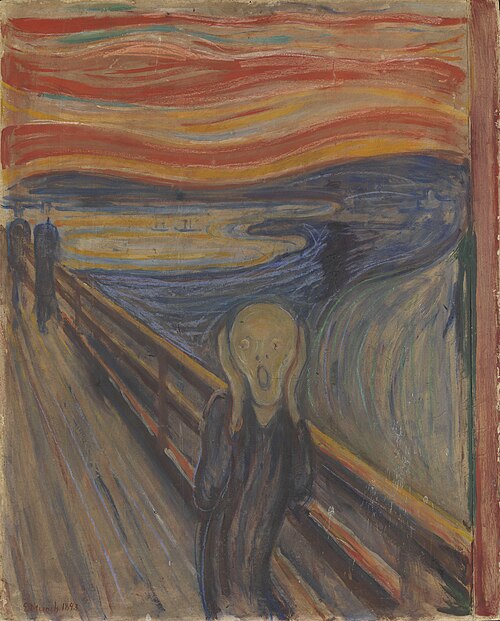
Edvard Munch's iconic painting The Scream, stolen from the Munch Museum in Oslo on 22 August 2004, was recovered by Norwegian police on 31 August 2006. The theft had been carried out in broad daylight by masked gunmen who forced staff to the ground before fleeing with the painting and another Munch work, Madonna.
The recovery came after a lengthy investigation involving multiple arrests. The paintings were found hidden and showed some damage, but were ultimately restored and returned to public display.
Edvard Munch, The Scream (1893). Photo: Børre Høstland/National Museum of Norway. CC BY 4.0, via Wikimedia Commons.
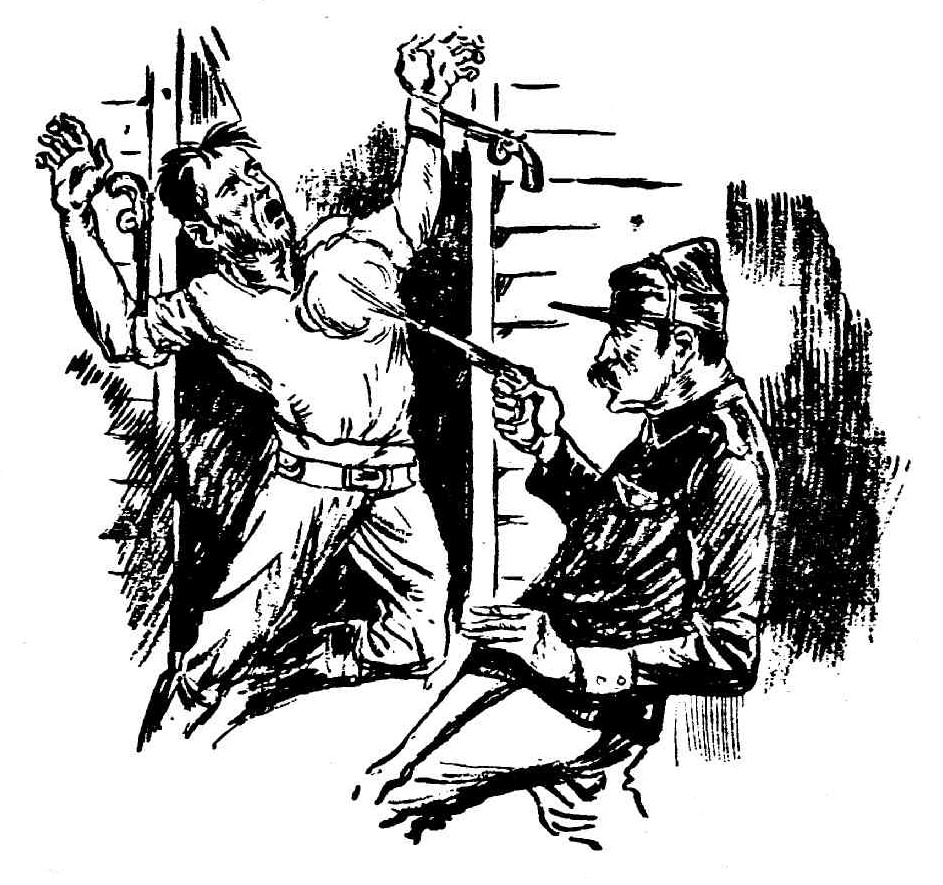
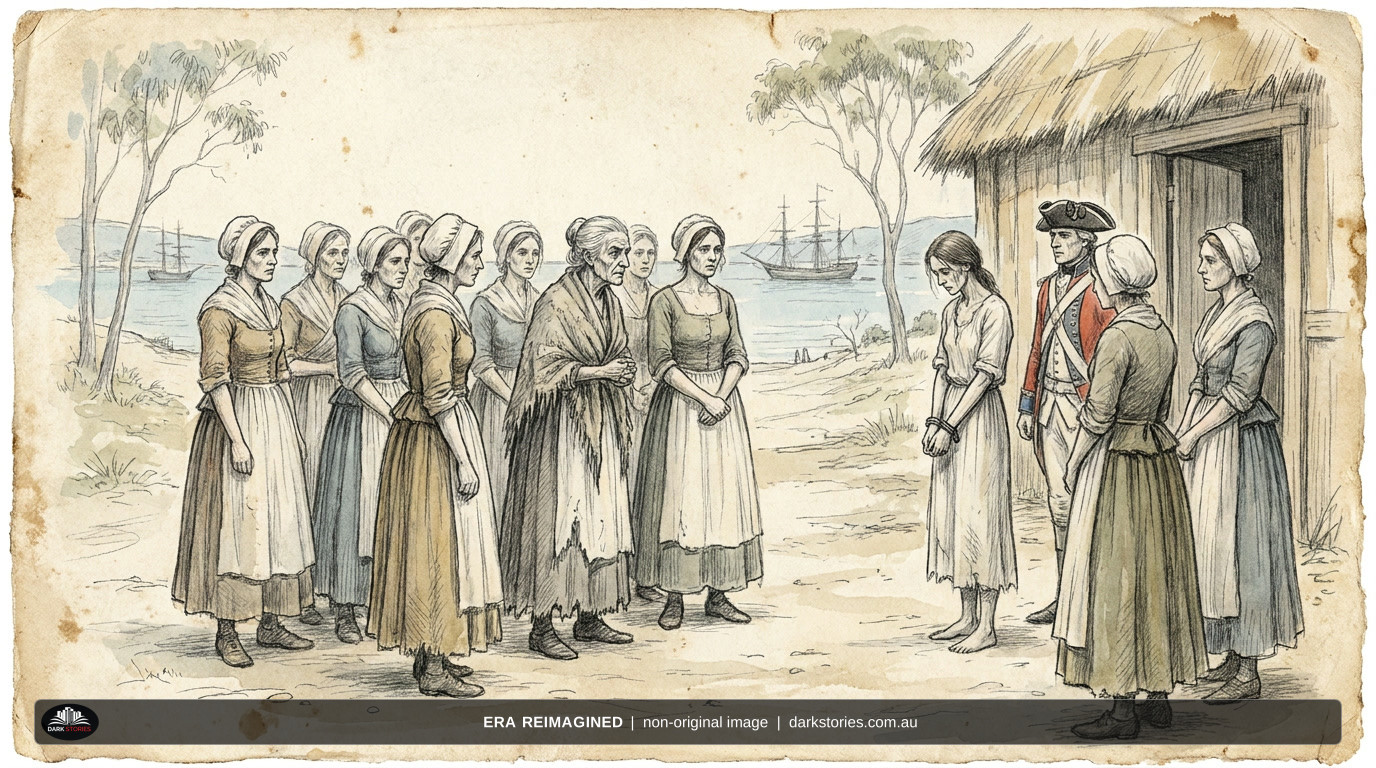
On an evening in July 1825, a gang of armed bushrangers descended on the home of Samuel Haywood in the Macquarie district of Van Diemen’s Land. One of the men posed as a letter carrier, tricking Mrs Haywood into opening the door before the others rushed inside. When Haywood moved for his gun, a pistol was fired at him during the confrontation.
The gang ransacked the house and escaped with an immense quantity of property, including clothing. They were later traced to a house near the Hobart Penitentiary, where their brazenness helped betray them: several were still wearing clothes stolen from Haywood and were immediately recognised by their victim.
At the Supreme Court, John Everist, Joseph Broadhead, Charles Bradbury and William Buckley were tried for the robbery. The Attorney-General remarked that almost every crime short of murder had been committed during the raid.
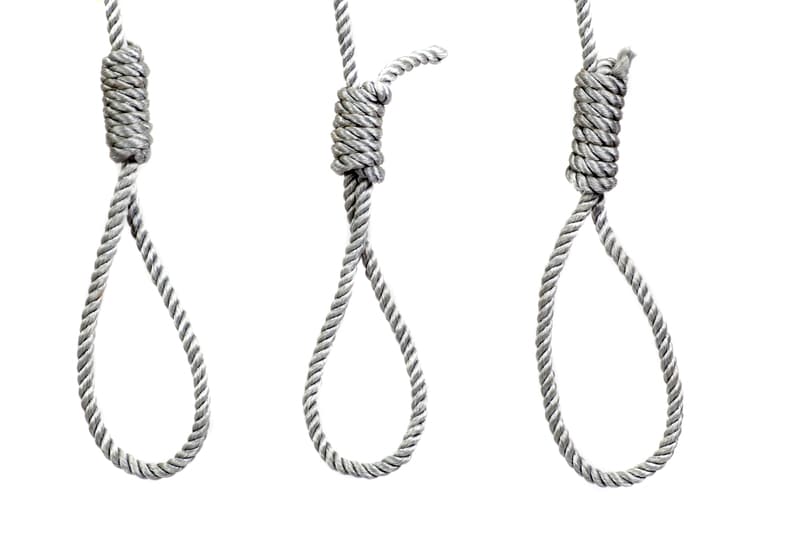
Everist, Broadhead and Buckley were convicted and hanged at Hobart on 31 August 1825.
Three hanging noose ropes isolated on a white background
Police raided a public house at Cook's Vale Creek, New South Wales, on 29 August 1863, where bushranger Fred Lowry emerged armed with two revolvers and exchanged gunfire with Senior-Sergeant Stephenson. Lowry, a gaunt six-foot man born in Windsor around 1836 to former convicts, had built a career of horse theft, mail-coach robbery, and prison escape, briefly riding with the Gardiner-Hall gang before forming his own bushranger outfit. Shot in the throat during the exchange, Lowry was captured along with accomplice Larry Cummins, who was found in bed with a loaded revolver. Stolen banknotes from the Mudgee mail were recovered at the scene. Lowry died from his wound the following day. His purported last words, 'Tell 'em I died game', cemented his place as the archetypal Australian bushranger.
William Brown, also known as Bertram, was hanged at Toowoomba Gaol on 29 August 1870 for robbery under arms at Mangalore. A German-born drifter who claimed to have left home at the age of twelve and reached Australia as a cabin boy, Brown was linked to a string of robberies in New South Wales and was reported to have spent several years with Gardiner’s gang in the Barrier Ranges. His identity was confirmed by the loss of his left eye, an injury sustained during an earlier term of imprisonment.
Throughout his final days, he refused to reveal his true name or identify his associates, remarking that his friends would probably never learn what had become of him. Brown was only twenty-one when he was executed.
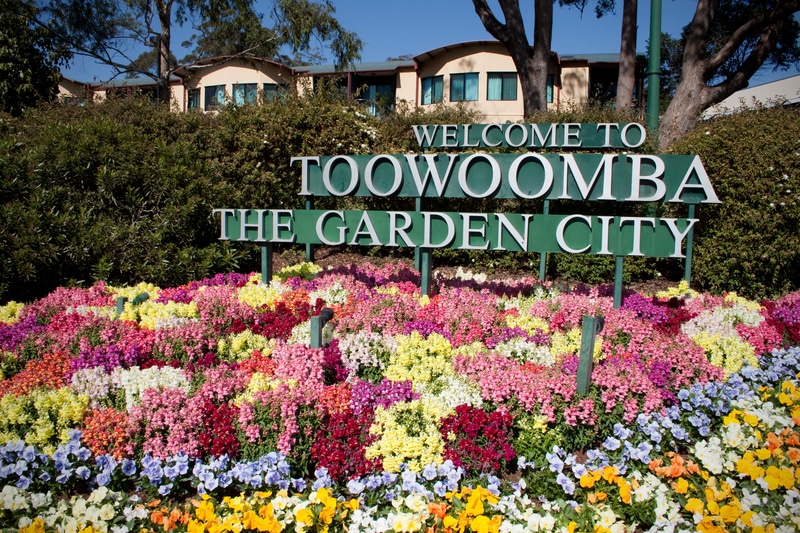
Toowoomba Garden City welcome sign for Carnival of Flowers