1991: Sir Terence Lewis, Queensland Police Commissioner, Convicted of Corruption

Sir Terence Lewis, Commissioner of the Queensland Police Service from 1976 to 1987, was found guilty on 5 August 1991 of 15 counts of corruption and one of forgery, following the explosive Fitzgerald Inquiry into police misconduct. A District Court jury determined that Lewis had accepted bribes totalling $700,000 to protect brothels, SP bookmakers, illegal casinos, and gaming machine operators. He had been handpicked for the commissioner's role in 1976 by Premier Joh Bjelke-Petersen, bypassing 122 more senior officers.

Judge Healy sentenced Lewis to the maximum term available: 14 years for corruption and 10 years for forgery, to be served concurrently. Lewis was stripped of his knighthood and two other awards. He continued to protest his innocence and pursued appeals until the last one failed in August 2005.
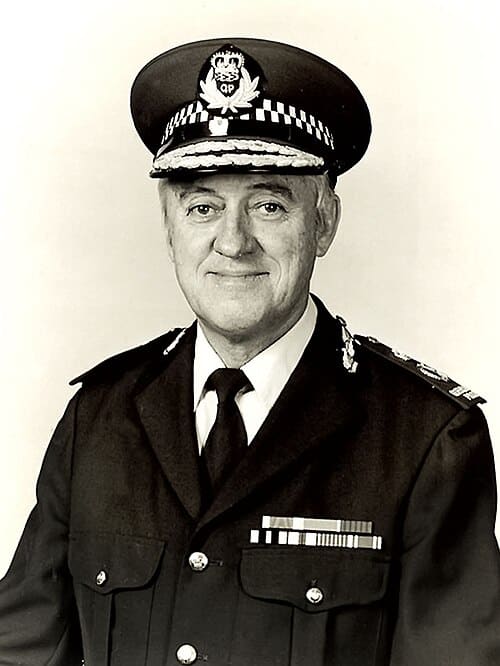

Terence Murray Lewis, Queensland Police Commissioner. © State of Queensland (Queensland Police Service); original photographer unknown. Retouched by Georgfotoart. Wikimedia Commons, CC BY 4.0.

⬅ See all events from 5 August

Spread the word on your favourite platform!

1910: Dr Crippen Captured at Sea, the First Fugitive Caught by Wireless Telegraph

American homeopath Hawley Harvey Crippen became one of history's most notorious wife-murderers when his second wife, Cora, vanished after a dinner party at their home in Holloway, London, on the night of 31 January 1910. Crippen claimed she had returned to the United States and later died there, but Scotland Yard grew suspicious when his mistress, Ethel Le Neve, was seen openly wearing Cora's jewellery. When police dug up the cellar at 39 Hilldrop Crescent, they found human remains.

Crippen and Le Neve fled aboard the SS Montrose bound for Canada. The ship's captain, recognising the fugitives, used the newly available wireless telegraph to alert Scotland Yard. Chief Inspector Walter Dew boarded a faster ship, intercepted the Montrose, and arrested Crippen mid-Atlantic on 31 July 1910, making him the first criminal in history captured with the aid of wireless telegraphy. Crippen was returned to London, tried at the Old Bailey, convicted of murder, and hanged at Pentonville Prison on 23 November 1910.

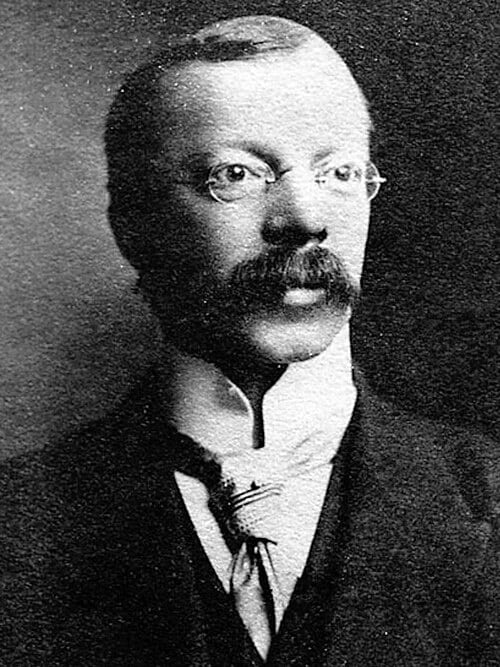
Portrait of Dr Crippen early 1900s suspect in murder case

⬅ See all events from 31 July

Spread the word on your favourite platform!
On This Day in True Crime History
1858·The Rope Broke, So They Hanged Him Again: Samuel Gibbs Executed in Melbourne for the Murder of His Wife
1858·He Named Four Innocent Men as the Killers: Hanged in Melbourne for a Ballarat Murder
1929·She Asked for a Kiss, Then Bled to Death: Frederick Carr Hanged in Adelaide for Murdering His Wife
1963·The Royal Commission That Cleared Brisbane Police, Then Unravelled as a Cover-up
More Crime On This Day →

Subscribe to Dark Stories

True crime stories, dark history and tour news, straight to your inbox.