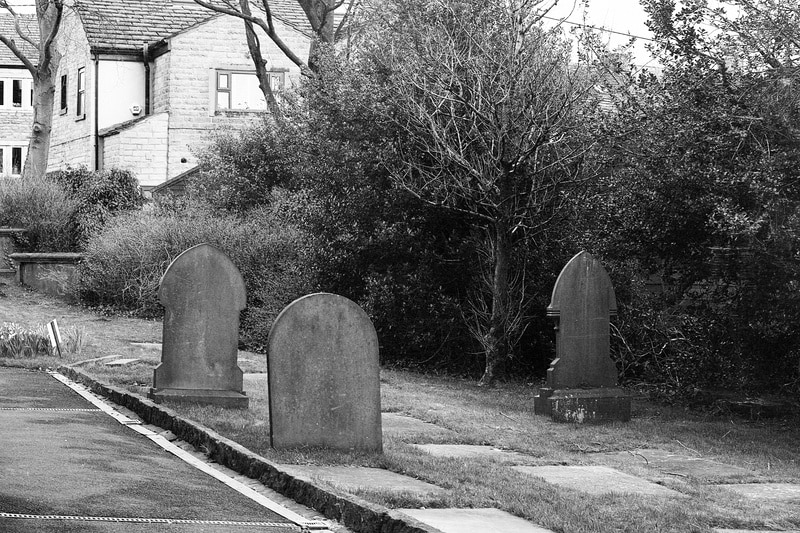
1831: The Burking Murder: Elizabeth Ross Smothers an Elderly Woman to Sell Her Corpse

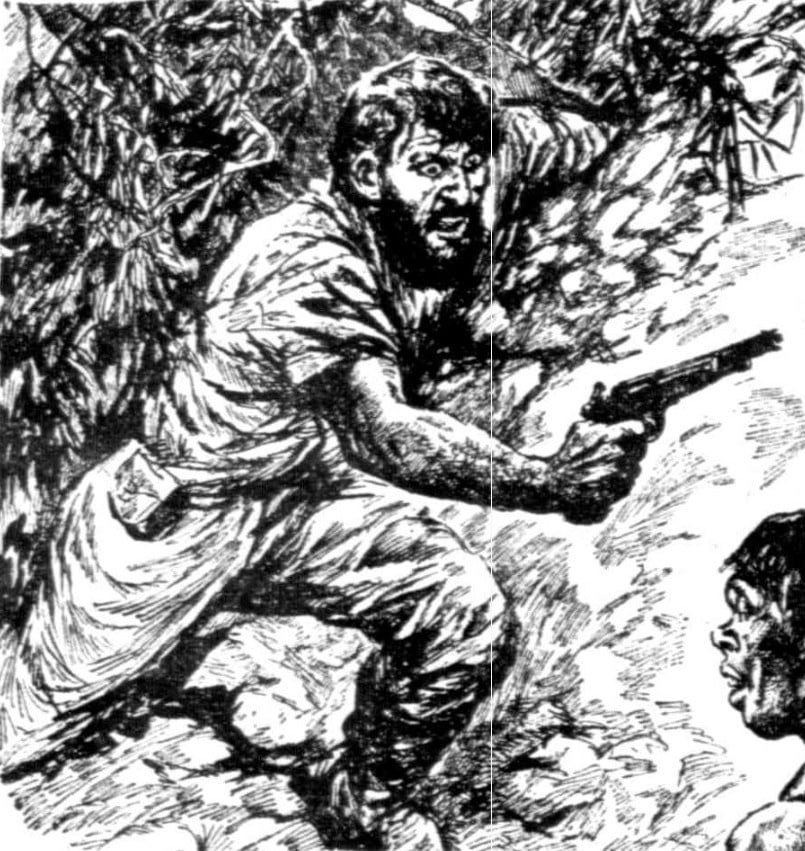
In August 1831, Elizabeth Ross suffocated 84-year-old Caroline Walsh at lodgings in Goodman’s Yard, Minories, London. Walsh had been lured to move in with Ross and her partner Edward Cook. Ross held her hand over the elderly woman’s mouth for half an hour as she lay on the bed, killing her to sell the body to medical institutions, a practice known as burking.

The case emerged during a period of intense demand for cadavers in British medical schools, driven by the expansion of anatomical education following the Napoleonic Wars. Just three years earlier, the infamous Burke and Hare murders in Edinburgh had shocked the country, and the London Burkers, John Bishop and Thomas Williams, had committed a similar anatomy murder the same year as Ross.
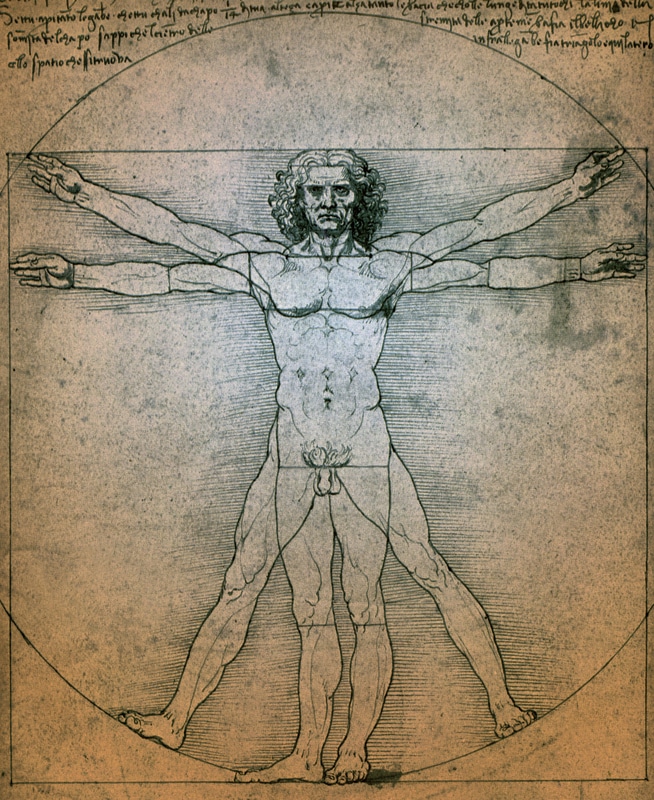

Vitruvian Man - Leonardo da Vinci. Vitruvian Man is a drawing created by Leonardo da Vinci circa 1487. It is accompanied by notes based on the work of the architect Vitruvius. The drawing, which is in pen and ink on paper, are sometimes called the Canon of Proportions or, less often, Proportions of Man. It is stored in the Gallerie dellAccademia in Venice | ID 27793770 © Steve Allen | Dreamstime.com
ID 27793770 © Steve Allen | Dreamstime.com

⬅ See all events from 19 August

Spread the word on your favourite platform!

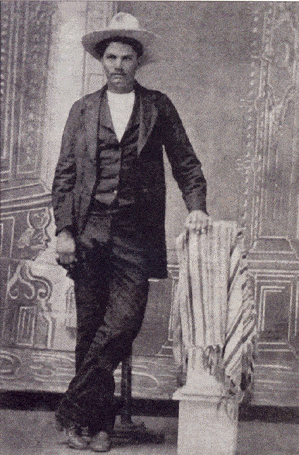
1865: John Wesley Hardin Gunned Down in an El Paso Saloon

John Wesley Hardin was one of the most feared gunfighters of the American Old West. Born in Texas in 1853 to a Methodist preacher, he killed his first man at 15 and spent the following decade evading lawmen across the South. Sentenced to 24 years for murder in 1877, Hardin claimed to have killed 42 men, though historians estimate the true figure exceeded 20. He studied law in prison and wrote a self-aggrandising autobiography, widely noted for its exaggerations.

Within a year of his 1894 release, Hardin was shot dead by constable John Selman in the Acme Saloon in El Paso. Hardin had been gambling, rolling dice at the bar, and his last words were reportedly “Four sixes to beat.” Moments later, Selman walked up behind him and shot him in the head. Hardin was 42 years old.

Portrait of outlaw John Wesley Hardin

⬅ See all events from 19 August

Spread the word on your favourite platform!

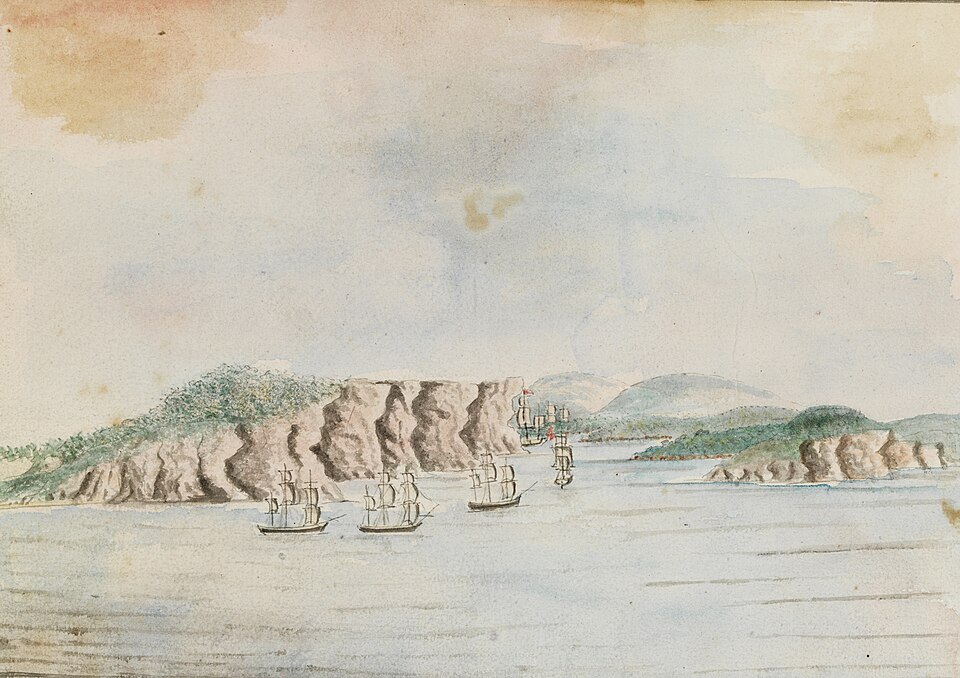
1786: Britain Decides to Dump Its Criminal Class on the Far Side of the World

In 1786, Britain faced a crisis of its own making. Decades of the so-called bloody code had swollen the criminal class with petty offenders, American independence had slammed shut the old dumping ground of the colonial plantations, and the gaols were bursting. The solution settled upon was audacious: ship Britain’s unwanted more than 15,000 miles to New South Wales, a coastline only recently mapped by Captain Cook, who had praised the land around Botany Bay.

Over the next 80 years, more than 160,000 men and women were transported to Australia and Van Diemen’s Land. Transportation meant total erasure: the loss of home, family, and identity, followed by a brutal sea crossing and survival in an utterly foreign land. Yet for many, the far side of the world offered something the old country never would: a second chance.

First Fleet ships entering Sydney Harbour 1788 illustration

⬅ See all events from 18 August

Spread the word on your favourite platform!

1984: The Fine Cotton Ring-In That Shook Australian Racing

On 18 August 1984, a carefully orchestrated betting scam unfolded at Eagle Farm Racecourse in Brisbane. A syndicate headed by former bloodstock agent John Gillespie entered a horse under the name Fine Cotton, a poor performer racing at 33-1, then sent out Bold Personality, an open-class horse several grades above, crudely disguised with Clairol hair dye and white paint to mimic the brown gelding’s markings. The plunge was unmistakable: Fine Cotton’s odds crashed to 7-2 as money flooded in at tracks and TABs across the country.

Stewards grew suspicious at the dramatic form reversal and disqualified the horse. The botched disguise, paint flaking, colouring mismatched, made the fraud obvious. Trainer Hayden Haitana was disqualified and prominent Sydney bookmaker Robbie Waterhouse lost his licence for 17 years. The Fine Cotton scandal remains one of the most shambolic and notorious frauds in the history of Australian thoroughbred racing.

Horse racing
Horse racing

⬅ See all events from 18 August

Spread the word on your favourite platform!
On This Day in True Crime History

Subscribe to Dark Stories

True crime stories, dark history and tour news, straight to your inbox.