1988: The Melbourne Police Killings: Acquitted, Then Named Guilty by His Own Wife

In the early hours of 12 October 1988, two young constables, Steven Tynan, 22, and Damian Eyre, 20, stopped to check an abandoned car on Walsh Street in South Yarra, Melbourne. Within minutes both were dead, gunned down in what police believed was a professional ambush by an armed robbery gang taking revenge for a suspect shot dead by detectives hours earlier.

Four men, among them Victor Peirce, stood trial in 1991 after one of the largest investigations Victoria Police had ever run. All were acquitted, and the case has never been officially solved.

In 2005, Peirce's own wife Wendy, who had once given him a false alibi and was later convicted of perjury for it, broke her silence and told the press that her husband had planned and carried out the killings himself.
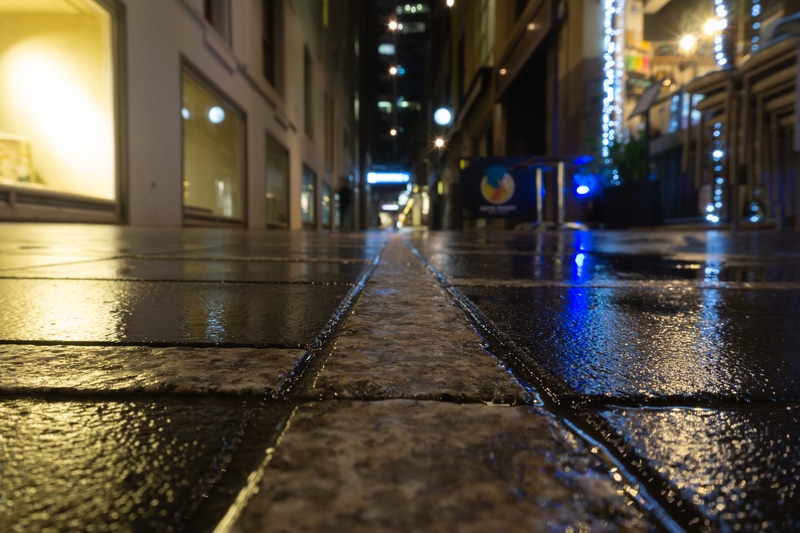

Melbourne laneway after rain with wet paving and blurred lights

⬅ See all events from 12 October

Spread the word on your favourite platform!

1880: The Enduring Bermagui Mystery: Five Men Vanish Without a Trace Off New South Wales

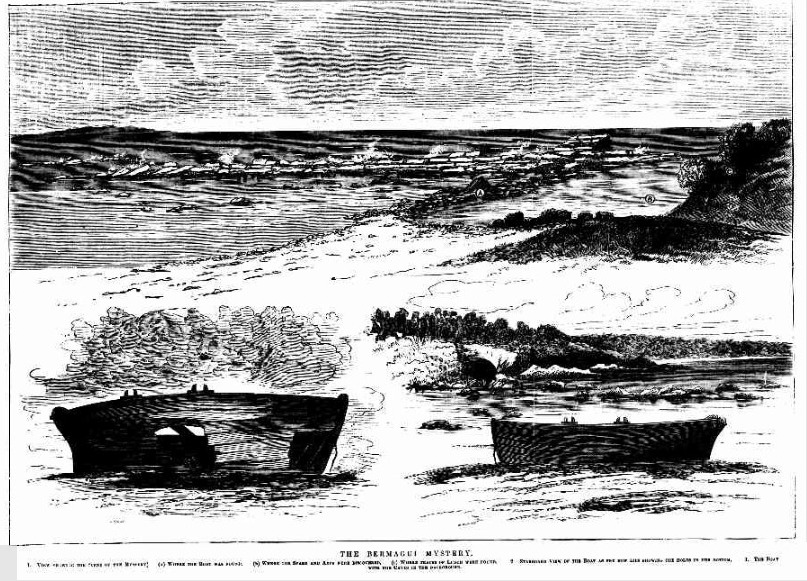
Geological surveyor Lamont Young, his assistant and three boatmen set out from Bermagui, New South Wales by night and would be last seen on this date, searching the coast for gold. Their boat would be found drifting empty near what would become known as Mystery Bay, its sail and anchor gone, loaded with heavy rocks, and a bullet hole through the hull.

What unsettled investigators most was not what was missing but what remained. A pair of spectacles sat neatly folded on a seat, none of the cargo was wet, and the holes in the planking had been punched outward from inside the boat, not in. No bodies, no weapon, and no sign of struggle were ever found, despite rewards, government inquiries and headlines across the British Empire. The five men were never seen again, and the mystery remains unsolved to this day.

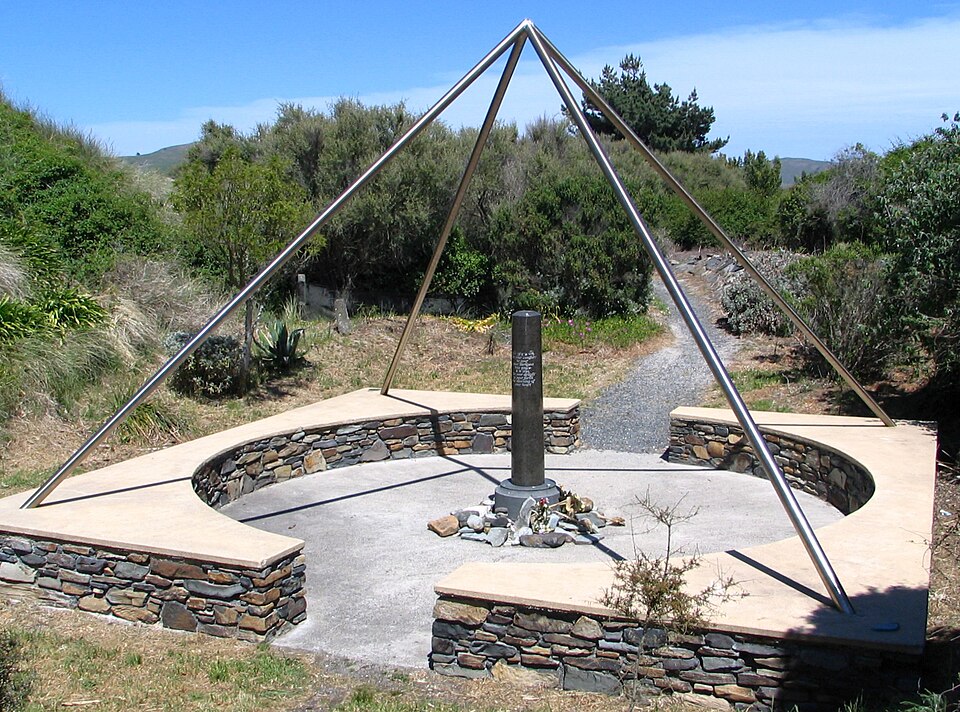
Scene of the Bermagui Mystery

⬅ See all events from 10 October

Spread the word on your favourite platform!

1891: The Mace, the Madam, and a Melbourne Scandal That Never Died

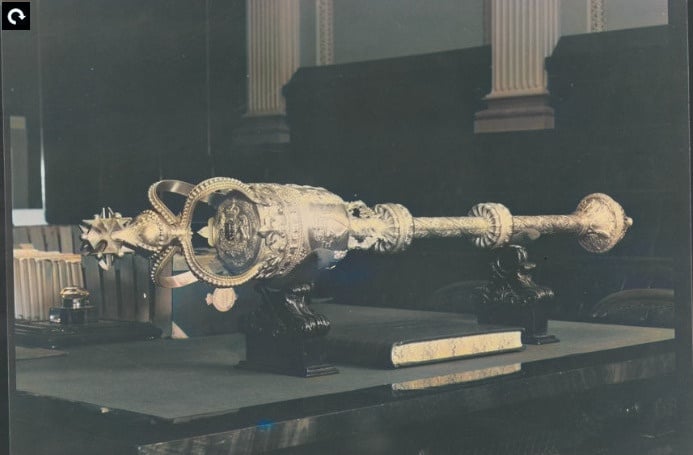
In the early hours of 9 October 1891, the ceremonial mace vanished from Parliament House in Melbourne, the silver-plated symbol of the speaker's authority gone from a locked case. A parliamentary engineer was seen that same day running from the building with a parcel the right size and shape to be the mace; he told police it was firewood, and with no proof against him the investigation stalled.

Thirteen months later newspapers claimed the mace had turned up in the parlour of a notorious madam who catered to visiting members of parliament, a story so delicious it triggered a formal Board of Inquiry. The board cleared the brothel but settled nothing else, and popular rumour simply shifted the blame onto the new Speaker, Thomas Bent, despite his having taken office only after the theft. The mace was never seen again, and whether it was a burglary or a parliamentary prank gone wrong remains Melbourne's favourite unsolved mystery.

Parliamentry Mace Stolen: Credit: Public Record Office Victoria, VPRS 14517/P0001/39, O884.

⬅ See all events from 9 October

Spread the word on your favourite platform!

1849: Found Delirious in Someone Else’s Clothes: the Mysterious Death of Edgar Allan Poe

Edgar Allan Poe was discovered slumped outside a Baltimore tavern being used as a polling place, barely conscious and dressed in clothes that were not his own. He could not explain where he had been for the five days since he was last seen, and he never recovered enough to try; he died four days later at a city hospital, aged 40.

On this date, his doctor recorded his last words as "Lord help my poor soul", after a night of Poe repeatedly calling out a name, Reynolds, that no one has ever identified. Newspapers blamed drink, but Poe’s death certificate and medical records have since vanished, and the true cause was never established.

One theory, raised decades later, points to cooping: a 19th century election scam in which gangs plied captives with liquor and forced them to vote repeatedly in disguise, which would explain both his stupor and his stolen clothes. No version of events has ever been confirmed.

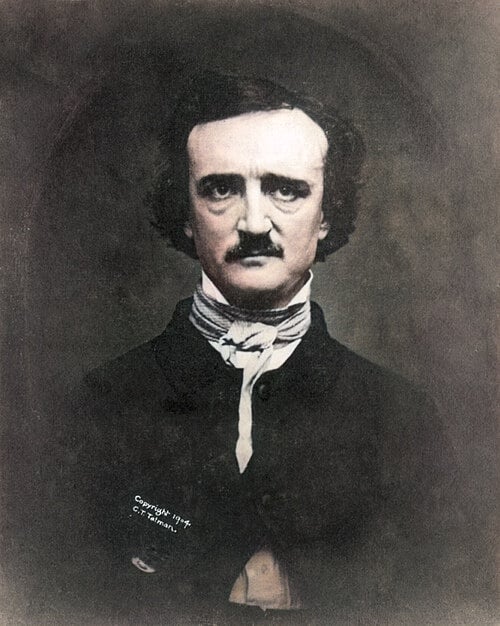
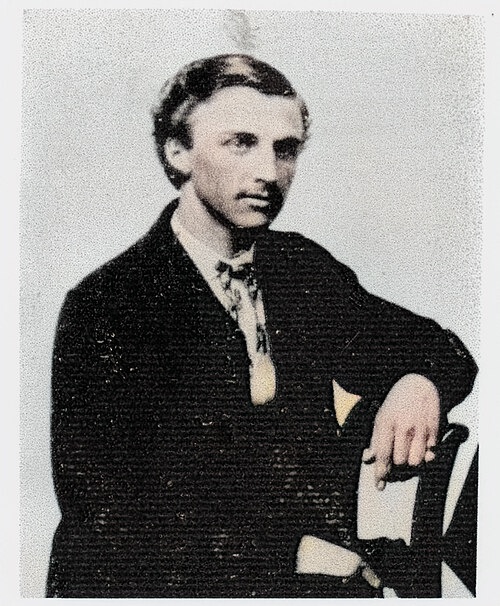
Photograph of Edgar Allan Poe - 1848

⬅ See all events from 7 October

Spread the word on your favourite platform!
On This Day in True Crime History

Subscribe to Dark Stories

True crime stories, dark history and tour news, straight to your inbox.