1973: The Real Friday the 13th Killer: David McGreavy and the Murder of Three Children in Worcester

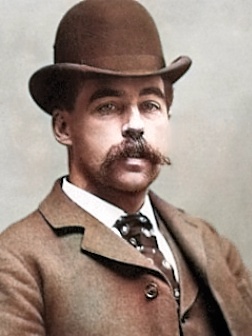
On Friday 13th September 1973, 20-year-old David McGreavy was left babysitting the three Ralph children in Worcester while their parents were out. He killed all three.

McGreavy then took a pick-axe to the bodies before impaling the remains on the wrought iron fence spikes of the house next door, where they were discovered by neighbours. The killings, carried out on the date now inseparable from bad luck and horror folklore, later fed the case's grim nickname as Britain's real life Friday the 13th murders. McGreavy was convicted and given three life sentences.


Friday the 13th
Friday the 13th

⬅ See all events from 13 September

Spread the word on your favourite platform!

1865: He Meant No Harm, Said the Man He Stabbed: Thomas Bushell Hanged at Fremantle

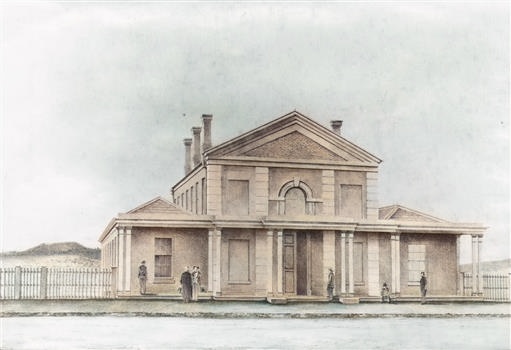
Thomas Bushell, an Imperial convict working in the bake-house at the Convict Establishment in Fremantle, took a 12-inch dough-knife from the bake-house on Sunday 9 July 1865. During the muster of prisoners for church service on C and D landing, he struck warder George Hollis on the head, then stabbed him in the back as Hollis passed, prompting Hollis to cry out, "Secure Bushell, for he has stabbed me."

At his trial before Chief Justice Burt on 6 September 1865, the wounded warder himself testified that he did not believe Bushell had meant to kill him. The jury convicted him anyway of maliciously wounding with intent to murder, and he was sentenced to death and hanged just days after the verdict.

Bread Knife
Bread Knife

⬅ See all events from 12 September

Spread the word on your favourite platform!

1982: A Death Row Killer for Hire: Bomb in the Radio Speaker

Serial killer Donald Gaskins, already condemned to die at Central Correctional Institution, murdered fellow death row inmate Rudolph Tyner using a homemade bomb built from C4 plastic explosive concealed inside a device disguised as a portable radio speaker. The device was passed to Tyner and detonated, killing him instantly.

Gaskins carried out the killing as a paid hit, hired for 2,000 dollars by Tony Cimo, the son of a couple Tyner had murdered years earlier. Cimo wanted revenge on his parents' killer and used Gaskins, already notorious as one of South Carolina's most prolific murderers, to get it from inside the prison itself.

Mobster planting a time bomb in a car engine compartment

⬅ See all events from 12 September

Spread the word on your favourite platform!

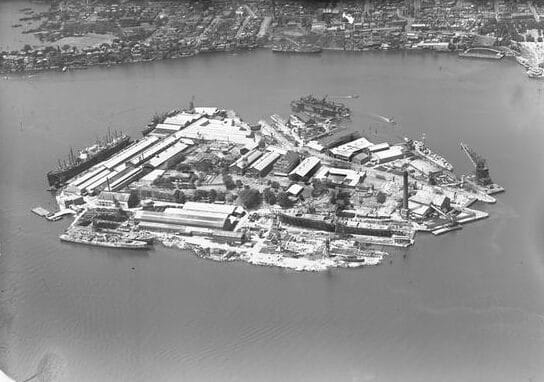
1863: The Escape-Proof Prison That Wasn't: Captain Thunderbolt Breaks Out of Cockatoo Island

Frederick Wordsworth Ward, the bushranger known as Captain Thunderbolt, was serving time on Sydney's Cockatoo Island, a prison ringed by harbour currents and sheer sandstone cliffs and widely declared impossible to escape. On the night of 11 September 1863, Ward slipped his cell and plunged into the water, swimming through the cold, shark infested harbour to the mainland shore.

The breakout humiliated colonial authorities and turned Ward into a folk figure almost overnight. He spent the next seven years roaming the bush of northern New South Wales, robbing coaches, inns and travellers as one of the colony's most enduring and elusive bushrangers before he was finally shot dead by police near Uralla in 1870.

Cockatoo Island, Sydney, 1951. Photograph by Frank Hurley. National Library of Australia, PIC FH/7951. Out of copyright.

⬅ See all events from 11 September

Spread the word on your favourite platform!
On This Day in True Crime History

Subscribe to Dark Stories

True crime stories, dark history and tour news, straight to your inbox.