1996: The Menendez Brothers Split Up: Sent to Separate Maximum-Security Prisons

After their conviction for the 1989 shotgun murders of their parents, Jose and Kitty Menendez, in the family’s Beverly Hills home, the California Department of Corrections classified Lyle and Erik as maximum-security inmates and separated them, ending years of the brothers being held together. Lyle was sent to the California Correctional Institution near Tehachapi, while Erik was sent to California State Prison near Sacramento.

The brothers had initially told police that intruders, possibly connected to organised crime, were responsible for the killings. Suspicion grew after investigators noted their lavish spending in the months following the murders and discovered they had hired a computer expert to delete their father’s recently updated will. Erik ultimately confessed to the killings during sessions with his psychologist, describing a desire to escape a controlling father’s demanding expectations, a disclosure that led to both brothers’ arrests.


Beverly Hills sign in Hollywood, Los Angeles against a blue cloudy sky | ID 1216184 © Stephen Coburn | Dreamstime.com
ID 1216184 © Stephen Coburn | Dreamstime.com

⬅ See all events from 10 September

Spread the word on your favourite platform!

1971: Four Days of Rebellion: the Attica Prison Riot Leaves 39 Dead

On September 9, 1971, inmates at Attica Correctional Facility in New York seized control of the prison, taking dozens of guards and staff hostage in protest over brutal conditions, overcrowding, and demands for basic political and civil rights. For four days the prisoners held the yard, negotiating with officials and issuing a list of demands broadcast to the watching public.

On September 13, on the order of Governor Nelson Rockefeller, state troopers and police stormed the facility, opening fire on inmates and hostages alike. By the time the smoke cleared, 39 people were dead, including ten hostages, most killed not by prisoners but by the retaking force’s own gunfire.

The riot remains one of the deadliest prison uprisings in American history and exposed the brutal conditions inside Attica, triggering decades of lawsuits, investigations, and a landmark settlement for survivors and victims’ families.

Prison Inmate
Prison Inmate

⬅ See all events from 9 September

Spread the word on your favourite platform!

2005: The Granny Killer Found Hanging in His Cell

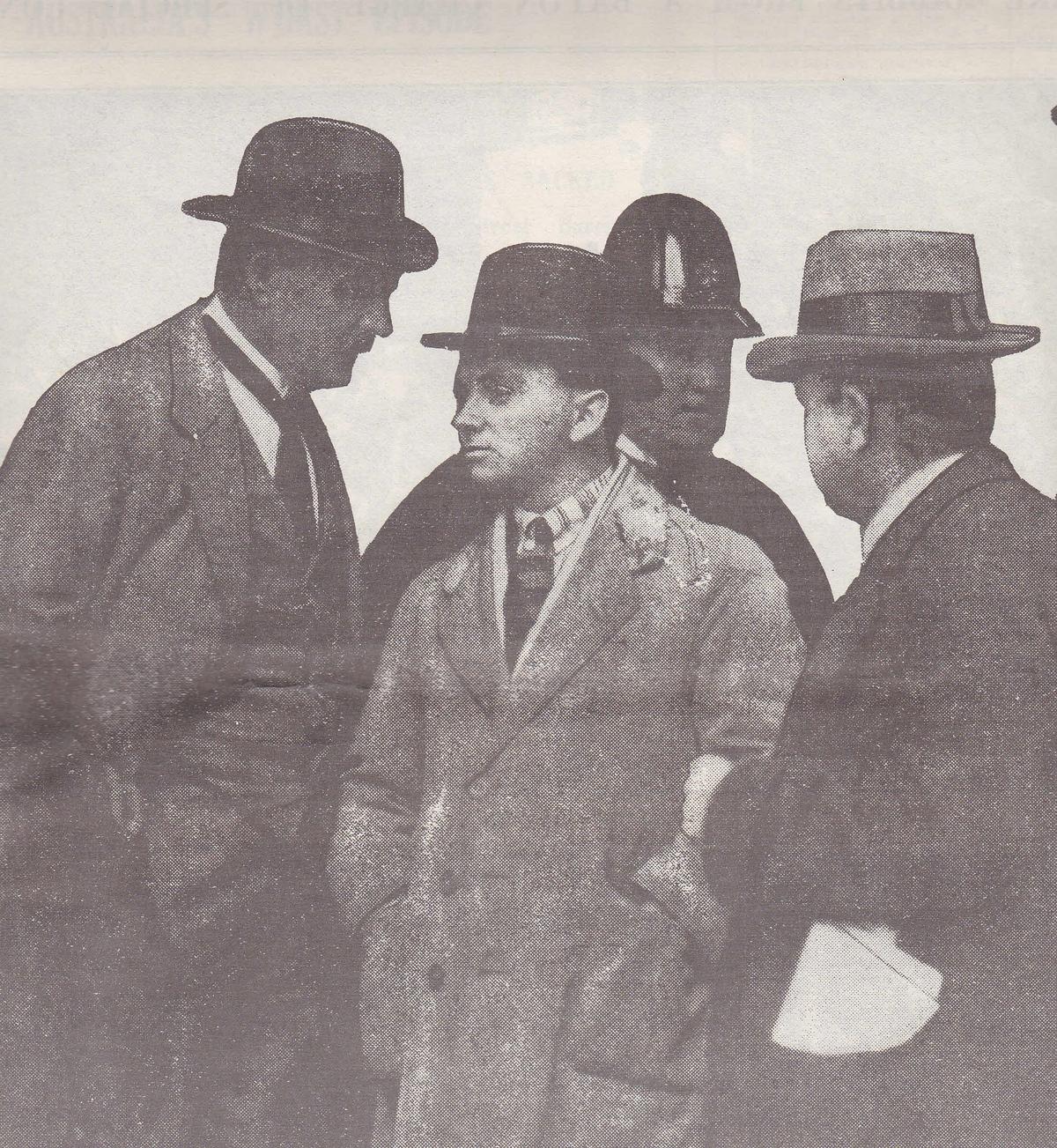
John Wayne Glover, 72, was found hanging from a shower rail in his cell at Lithgow prison in New South Wales. He had been serving life without parole for the murder of six elderly women on Sydney‘s North Shore between 1989 and 1990. The mayor of Mosman described his death as the end of a terrible era.

No evidence has ever surfaced that Glover killed before 1989, when he was 56 and had already been married for 20 years with children; his wife had no idea of the violence in his past. He only admitted to the murders once confronted with the police evidence against him.

Glover denied responsibility for other crimes in which he was a prime suspect. Years after his conviction, he admitted he never worried about who his victims were or why he killed them; he said he wanted to stop but could not, and simply returned to his normal life after each murder.

Prison Cell
Prison Cell

⬅ See all events from 9 September

Spread the word on your favourite platform!

1863: An Escaped Convict Asked for Directions After a Fatal Attack, Then Was Hanged at Perth Gaol

John Thomas, a convict known as prisoner number 7279, escaped from a work party at Sutherland’s Bay in June 1863, taking a blanket, a carpenter’s axe and other items. He made his way to Peninsula Farm near Perth, where he entered the cottage of 70-year-old servant Duncan Urquhart and began helping himself to clothing.

When Urquhart returned and discovered the intruder, Thomas fled through a window armed with Urquhart’s own axe. He pursued the elderly man outside and struck him repeatedly, fracturing his skull. Despite his terrible injuries, Urquhart managed to make his way more than half a mile towards the farmhouse on his hands and knees, covered in blood.

Around noon, farmhouse owner Joseph Hardey stepped outside and saw a stranger walking up the cart road, coatless and carrying a bundle over his shoulder. The man calmly asked Hardey for directions to a property several miles further inland, apparently unconcerned that the man he had just attacked lay gravely injured nearby. Hardey later identified the stranger as Thomas.

Urquhart survived for more than two months, but died in the Colonial Hospital on 24 August 1863 from his injuries. Thomas was tried before Chief Justice Burt at the Supreme Court on 2 September and convicted of wilful murder. He was hanged in front of Perth Prison on 8 September 1863.

Carpenters axe
Carpenters axe

⬅ See all events from 8 September

Spread the word on your favourite platform!
On This Day in True Crime History

Subscribe to Dark Stories

True crime stories, dark history and tour news, straight to your inbox.