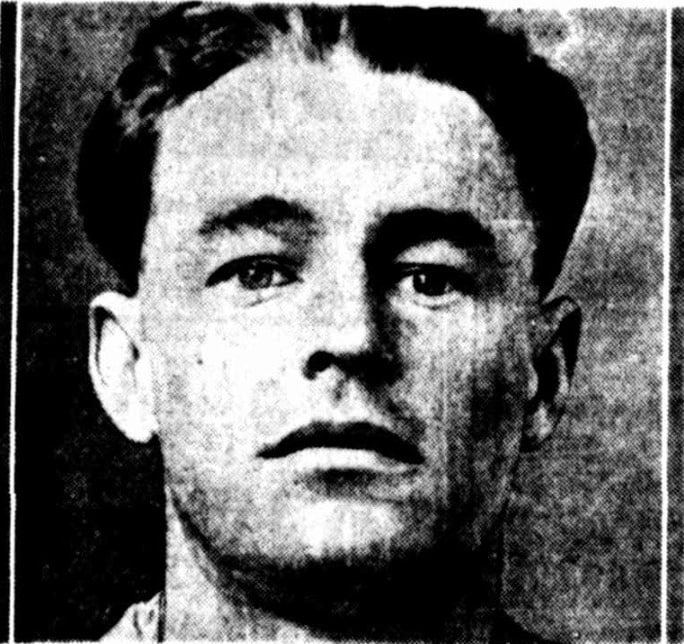
John Trevor “Jack” Kelly was found guilty of kidnapping on 23rd September 1937, and was sentenced to eighteen months’ imprisonment, with a recommendation that he undergo observation following concerns about lasting effects from a motor accident.
Released in November 1938, Kelly committed murder less than three months later. He stood trial before the same judge who had sentenced him for kidnapping, but this time he was sentenced to death, becoming the last prisoner executed in New South Wales.
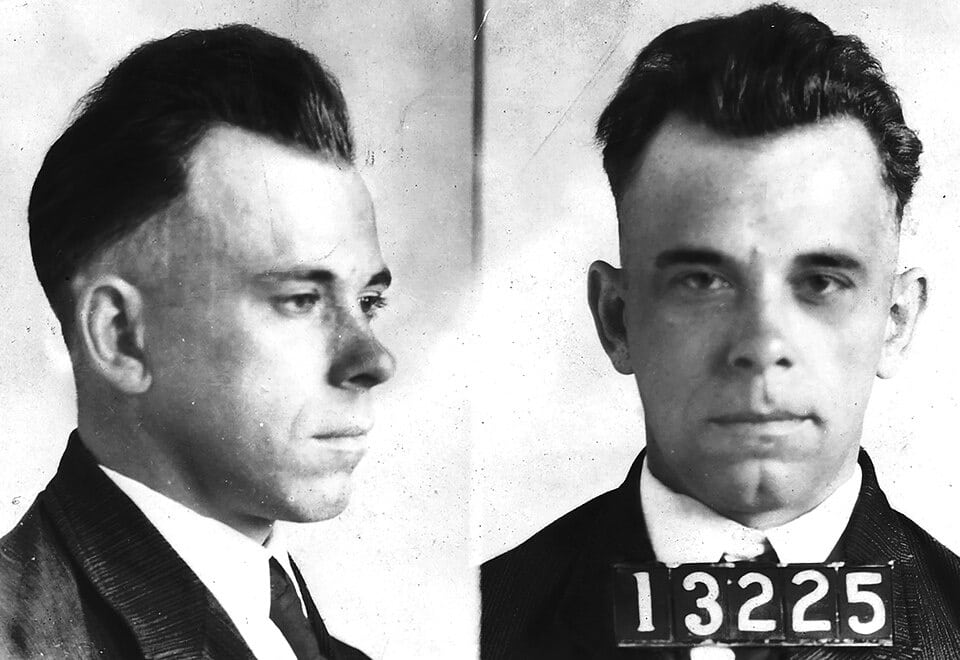
On September 22, 1933, ten prisoners broke out of the Indiana State Prison at Michigan City in a violent escape that killed two guards. The breakout was planned from inside by seasoned bank robber Harry Pierpont, with handguns smuggled to the crew by John Dillinger, freshly paroled after nine years behind bars, using arrangements made by Pierpont's girlfriend.
In a strange twist, Dillinger himself was not among the men who walked free that day. Just days earlier he had been arrested and jailed in Dayton, Ohio, meaning his former cellmates had to turn around and break him out shortly after springing themselves. The escapees would go on to form the core of the notorious Dillinger gang, launching a violent crime spree across the American Midwest.
A Government agent later wrote that Dillinger's career "graphically illustrates the inadequacies of our system," noting that nine years in prison had done nothing to rehabilitate a man determined to become a professional bank robber.
Angelo Buono Jr., one half of the killing partnership known as the Hillside Stranglers, died of a heart attack at age 67 while serving a life sentence without parole at Calipatria State Prison in California. He had been convicted of nine murders committed with his cousin Kenneth Bianchi in Los Angeles between 1977 and 1978, victims who were kidnapped, tortured and strangled before their bodies were dumped on hillsides around the city.
Buono ran an upholstery shop that served as a base for the pair, luring young women into his van before the killings. Bianchi, who was arrested first in Washington State, struck a deal and testified against Buono in exchange for avoiding the death penalty, a betrayal that helped seal his cousin's conviction after one of the longest and most expensive criminal trials in California history.
Buono spent the rest of his life in prison showing no remorse for the killings, dying quietly behind bars rather than facing execution.
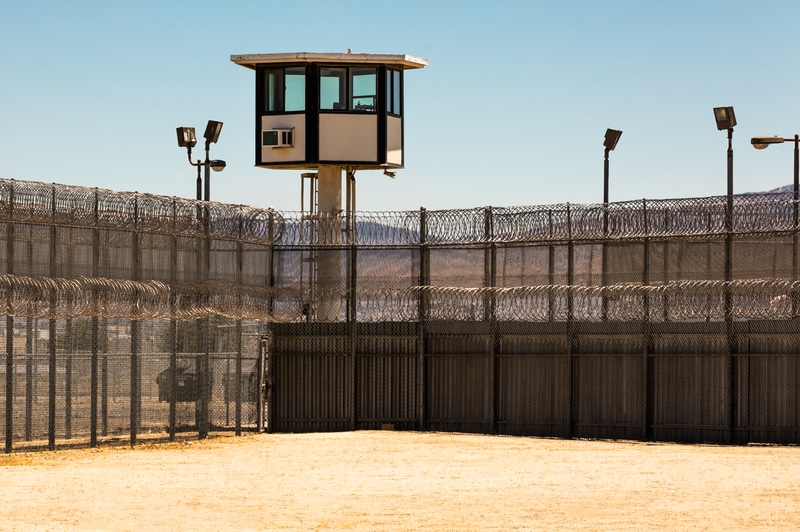
Empty desert prison yard with guard tower in background
On 20 September 1822, Alexander Pearce, Bob Greenhill and six other convicts escaped the brutal penal outpost of Macquarie Harbour on Tasmania's west coast, plunging into some of the most impenetrable wilderness in the colony with almost no food or supplies.
As starvation set in, the group turned on itself. Greenhill, who had once been a butcher, took the lead in killing and butchering their companions one by one to survive, and Pearce joined him in eating the flesh of the dead.
Eventually only Pearce and Greenhill remained, each watching the other, until Pearce killed Greenhill as well and continued alone, becoming the last man standing from the original party of eight.