1960: Aunt Thally Was Still Pouring Tea for Fellow Inmates the Day She Died in Prison

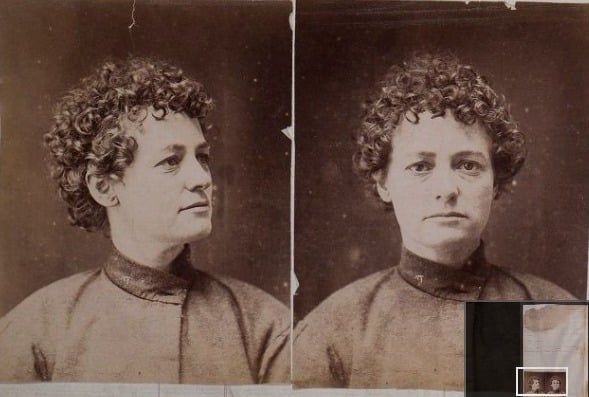
Caroline Grills earned the nickname Aunt Thally for the thallium she slipped into the tea and food of relatives and neighbours, a slow, trusted poisoner convicted in Sydney in 1953 after several deaths in her circle were finally traced back to her cheerful hospitality.

Sentenced to life, she was sent to the State Reformatory for Women, where she settled into prison life with the same warm, motherly manner that had once made her so welcome at other people's tables. She kept making tea for fellow inmates right up until her death on 6 October 1960.

She never publicly expressed remorse for her crimes, dying as she had lived behind bars: smiling, sociable, and giving no hint of guilt.


Learn to make your own tea.

⬅ See all events from 6 October

Spread the word on your favourite platform!

1895: "I Wonder How Many More Times?": George Dean Rearrested in a Sydney Poison Case

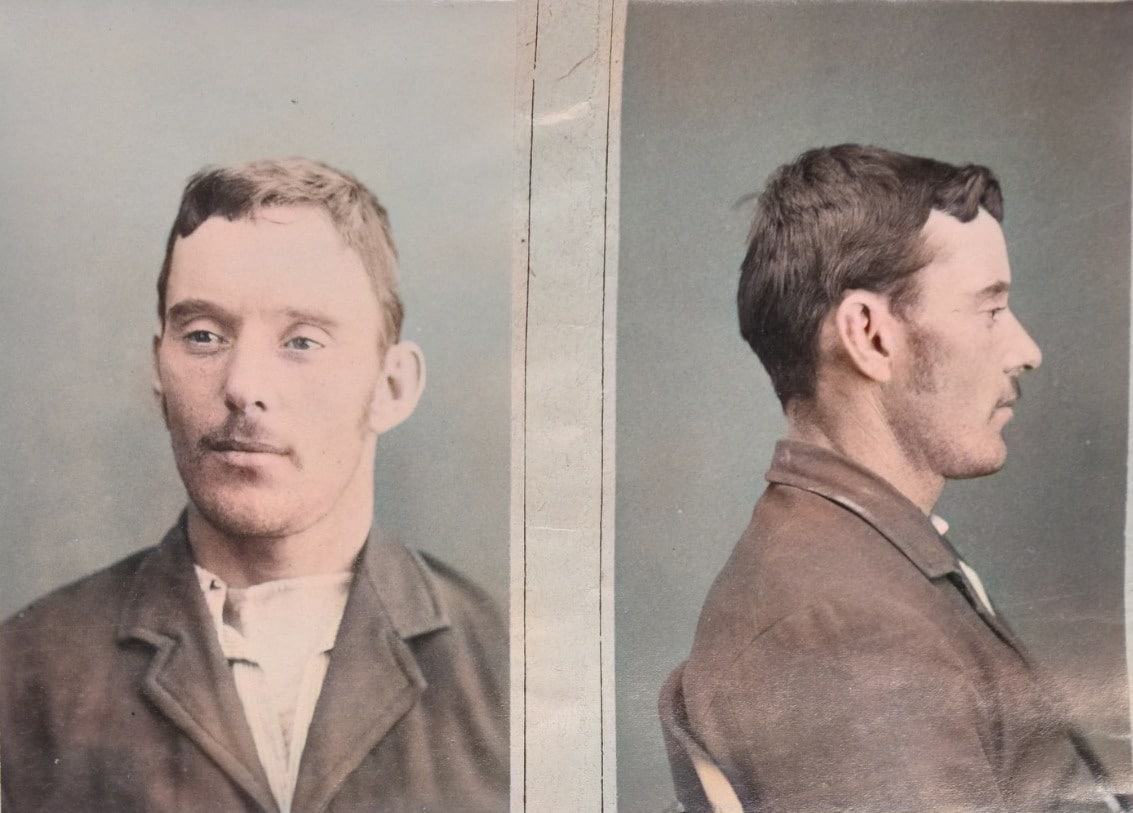
George Dean had already escaped the gallows once, pardoned after a Royal Commission cast doubt on the poisoning case against his wife, Mary. Then a North Shore chemist named Smith came forward, admitting he had sold Dean arsenic and strychnine after Dean claimed he needed a double dose and two poisons to deal with rats on his property.

On 5 October 1895 detectives approached Dean just as he stepped off his ferry at Sydney's Circular Quay, still dressed in his captain's uniform, and arrested him again. "I wonder how many more times I shall be arrested over this affair," he remarked, before going with the detectives.

Dean subsequently confessed in writing to poisoning his wife. He was convicted of perjury committed to procure his own acquittal and sentenced to fourteen years, while his former lawyer and others faced charges of conspiring to pervert the course of justice.

George Dean lemon syrup case. Prison photograph. Credit: Museums of History NSW, State Archives Collection.

⬅ See all events from 5 October

Spread the word on your favourite platform!

1889: The Devoted Wife Who Poisoned Her Husband in Melbourne, Then Killed Three More

Henry Needle was a robust carpenter until 1889, when he began suffering violent, unexplained vomiting at the family home in Richmond, near Melbourne. His doctor once found untouched broth and jelly by his bed, and noted Henry had grown strangely wary of food prepared by his wife, Martha. He died on 4 October 1889; his death was recorded as hepatitis, no post-mortem was ordered, and no suspicion touched the devoted nurse at his side.

The truth emerged five years later, after police caught Martha handing a laced cup of tea to another man and Henry's body was exhumed and found packed with arsenic, along with the bodies of the couple's three young children, all of whom had died in her care under equally mysterious circumstances. Martha Needle was hanged at Melbourne Gaol in October 1894 for the poisoning of her fiance's brother, the last of at least five family members she is believed to have killed.

Martha Needle: Public Record Office Victoria, VPRS 516/P0000, Central Register of Female Prisoners, register nos. 5926–6415 (1891–1896).

⬅ See all events from 4 October

Spread the word on your favourite platform!

1982: Seven Dead, No One Ever Charged: the Chicago Tylenol Poisonings

On September 29, 1982, 12 year old Mary Kellerman took a Tylenol capsule for a cold and died within hours. Within two days six more people in the Chicago area died the same way, including three members of a single family, the Januses, who had unknowingly shared capsules from the same tainted batch.

Someone had opened bottles on store shelves, replaced the medicine inside with potassium cyanide, and resealed them for unsuspecting buyers to find. No poisoner was ever caught. A man named James W. Lewis was convicted of extortion after writing to the manufacturer claiming responsibility and demanding a million dollars to stop the deaths, but he later insisted the letter was a bluff, and investigators could never tie him to the actual killings.

The case remains unsolved to this day, but it changed how medicine is sold worldwide, ending loose powder capsules and ushering in the tamper proof seals now standard on every bottle.

Capsules of Tylenol Pain Killer. A container of Tylenol tablets pain killer. | ID 207734574 © Arne Beruldsen | Dreamstime.com
ID 207734574 © Arne Beruldsen | Dreamstime.com

⬅ See all events from 29 September

Spread the word on your favourite platform!
On This Day in True Crime History
1863·Given a Glass of Brandy and Told to Shoot: A Servant Hanged in Melbourne for a Shanty Murder
1863·The Lover Whose Pistol Misfired: David Gedge Hanged in Melbourne for a Murder Near Mansfield
1863·On the Scaffold, She Begged Her Lover to "Clear Her": the First Woman Hanged in Melbourne
1880·Such Is Life: Ned Kelly Hanged in Melbourne for the Murder of Constable Lonigan
More Crime On This Day →

Subscribe to Dark Stories

True crime stories, dark history and tour news, straight to your inbox.