1963: The Great Train Robbery Nets 2.6 Million Pounds in a Single Night

In the early hours of 8 August 1963, a gang of fifteen robbers, led by Bruce Reynolds, stopped the Glasgow-to-London Royal Mail train at Bridego Railway Bridge, Ledburn, Buckinghamshire. Acting on inside information from a senior Royal Mail security officer known only as ‘The Ulsterman’, they had tampered with trackside signals to halt the train. Driver Jack Mills was struck over the head with a metal bar and suffered serious, lasting injuries. The gang made off with 2.61 million pounds, then equivalent to around 64 million in 2024 values.

The robbers hid at Leatherslade Farm, 27 miles from the scene, but police found the hideout. A Monopoly board covered in fingerprints proved to be their undoing. Gang members including Gordon Goody, Buster Edwards, Charlie Wilson, Ronnie Biggs, and others were arrested and convicted. The ringleaders received 30-year sentences. The bulk of the stolen money was never recovered.


Great Train Robbery - Bank Holiday Windfall
Great Train Robbery – Bank Holiday Windfall

⬅ See all events from 8 August

Spread the word on your favourite platform!

1919: The Fitzroy Vendetta Erupts: Shots Fired into a Sly-Grog Shop, Squizzy Taylor Acquitted

On the night of 5 August 1919, shots were fired into a sly-grog shop at 31 Fleet Street, Fitzroy, wounding three people: Minnie Clarke, Dick Paget, and James Darcy. All three were treated at St Vincent’s Hospital and all three refused to speak to police. The attack was part of the bloody Fitzroy Vendetta, a running war between Richmond and Fitzroy underworld factions that had left a trail of shootings across Melbourne.

Police observed Leslie “Squizzy” Taylor and two other men leave the area by motor-car in the early hours and arrested him the following day in Bourke Street. At the Fitzroy Court, witnesses including a horse trainer, a miner, and a bookmaker’s clerk all placed Taylor inside a nearby house at the time of the shooting. The bench acquitted him. It was a result that would define his career: ten prior convictions, a reputation as a sneak thief and companion of thieves, and a courtroom that could never quite catch him.

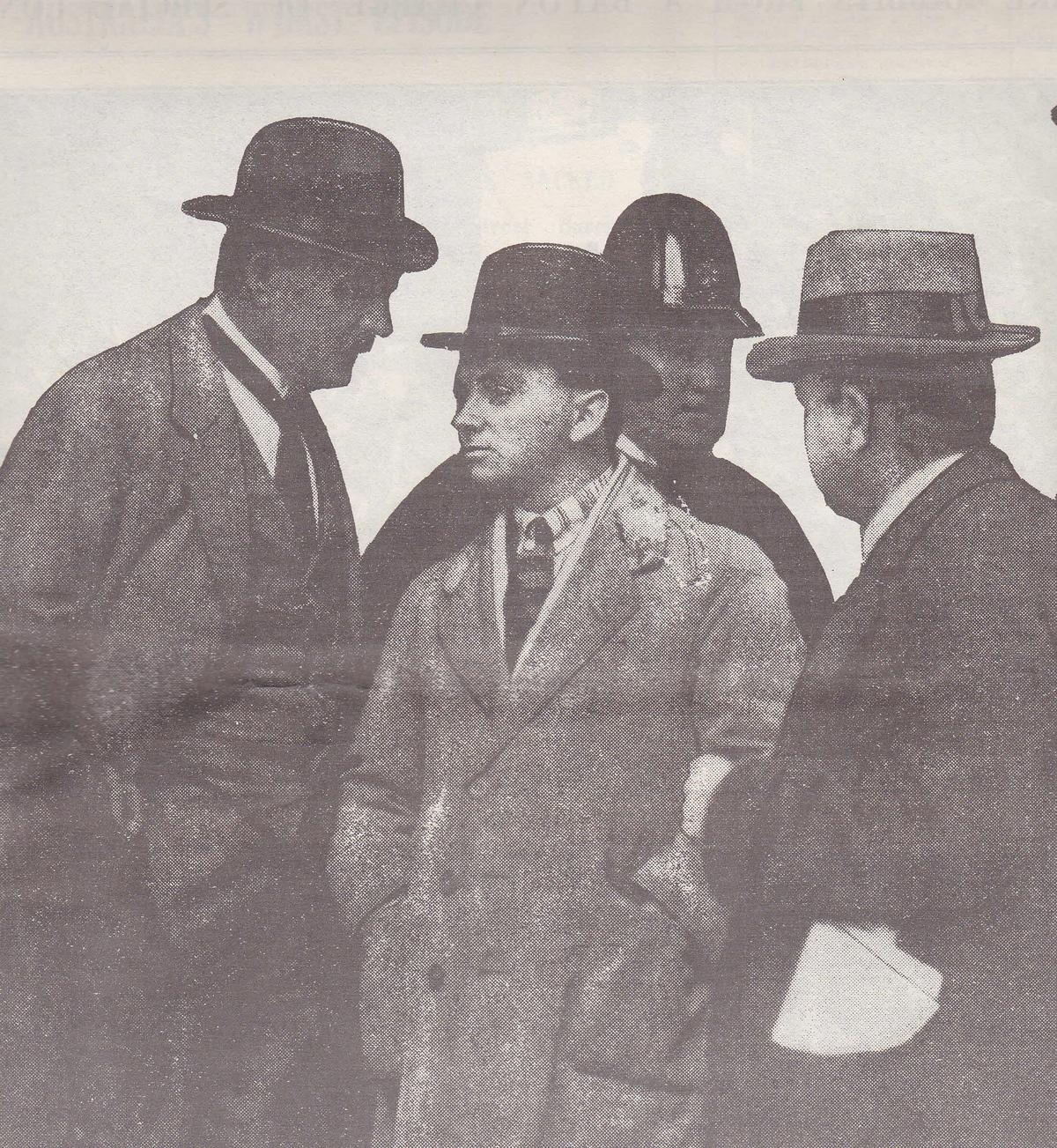
Squizzy Taylor surrendering to police, September 1922. Image: The Sun, Melbourne, 22 September 1922. Public domain in Australia.

⬅ See all events from 5 August

Spread the word on your favourite platform!
On This Day in True Crime History
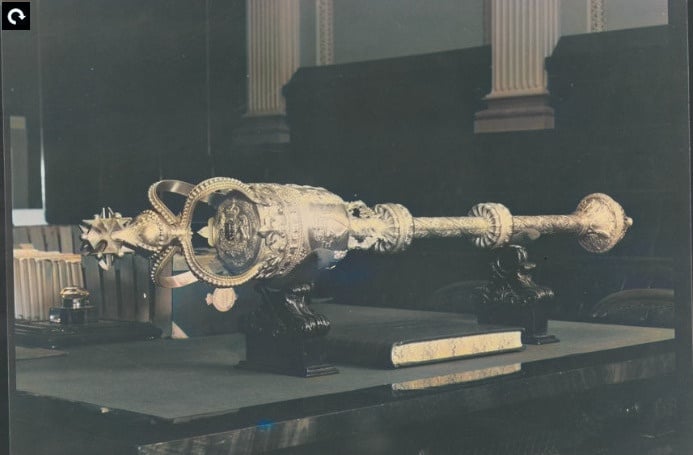
1891·The Mace, the Madam, and a Melbourne Scandal That Never Died
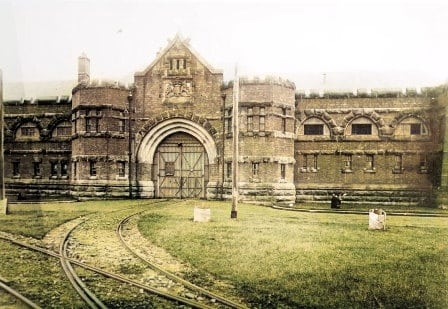
1959·Through a Chapel Ventilator: the Sydney Jailbreak That Triggered Australia's Biggest Manhunt
More Crime On This Day →

Subscribe to Dark Stories

True crime stories, dark history and tour news, straight to your inbox.