1917: Mata Hari Executed by Firing Squad as a German Spy in Paris

She was born Margaretha Zelle in the Netherlands and reinvented herself in Paris as Mata Hari, an exotic dancer whose stage act and string of wealthy, often military, lovers made her a sensation across Europe. When war came, French intelligence suspected she was selling pillow talk to Germany.

The evidence against her was thin and largely circumstantial, built on intercepted telegrams and a reputation for scandal rather than proof. A French military tribunal convicted her of espionage anyway, and she was executed by firing squad outside Paris on 15 October 1917.

She refused a blindfold and reportedly blew a kiss to the soldiers before they fired, going to her death still insisting she had never betrayed France.
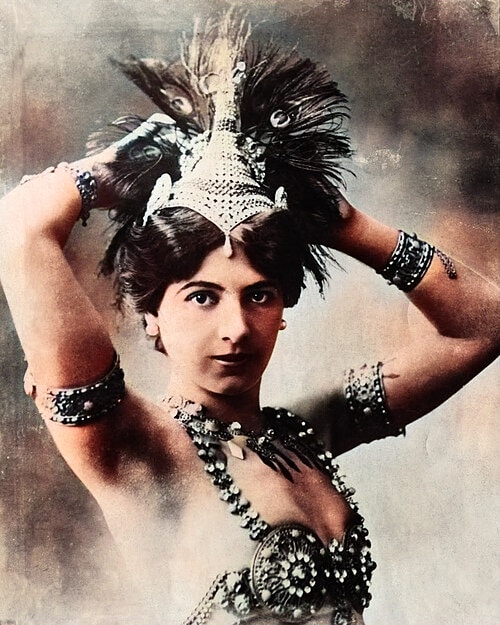

Mata Hari - 1910
Mata Hari – 1910

⬅ See all events from 15 October

Spread the word on your favourite platform!

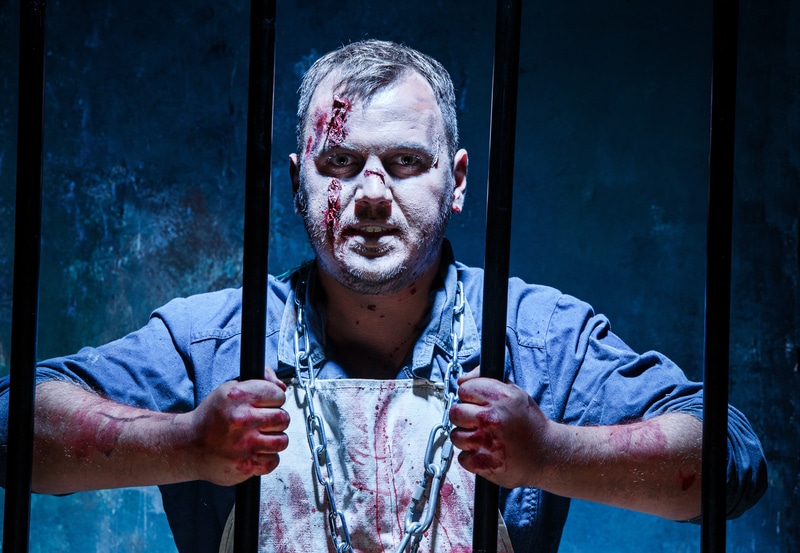
1992: Eyes Removed, Organs Eaten: Andrei Chikatilo Convicted of 52 Murders in Rostov

Andrei Chikatilo cut the eyes from his victims, believing the dead retained an image of their killer burned into their retinas. He could only reach climax while torturing or murdering, and prosecutors said he ate parts of his victims, including their sexual organs, over a killing spree across the Rostov region that claimed at least 52 lives, mostly women and children lured into forests and fields.

On this day a Russian court convicted him on all counts. He was executed by a single shot to the back of the head, a death far quicker than any he gave the people he killed.

Cannibalisation of some of the victims.

⬅ See all events from 15 October

Spread the word on your favourite platform!

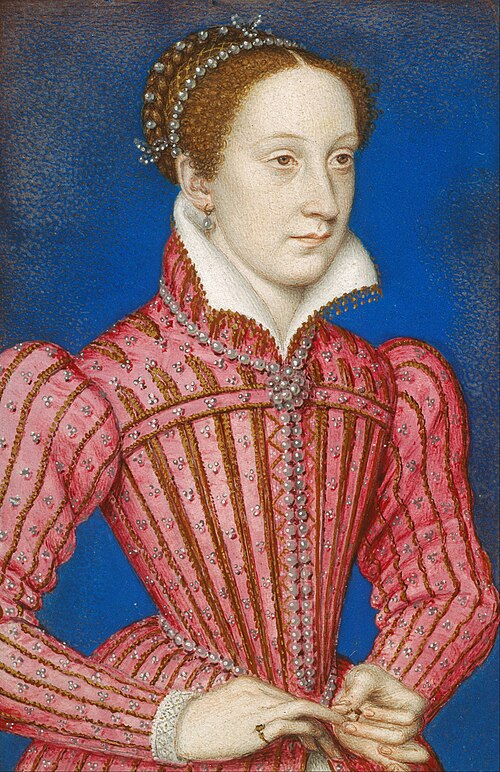
1586: A Queen on Trial for Her Life: Mary, Queen of Scots, Faces the Crown She Threatened

She had already lost one throne and spent nearly two decades a prisoner in England, but in October 1586 Mary, Queen of Scots, was brought before a tribunal of English noblemen at Fotheringhay Castle, accused of plotting to assassinate her own cousin, Queen Elizabeth I. Letters allegedly written in cipher, part of what became known as the Babington Plot, were produced as evidence that she had approved a plan to murder Elizabeth and seize the English crown for herself.

Mary denied any part in the conspiracy and refused at first to recognise the court’s authority over an anointed queen. The trial proceeded regardless, and the verdict that followed would send her to the executioner’s block the following year.

Portrait of Mary Queen of Scots in royal attire

⬅ See all events from 14 October

Spread the word on your favourite platform!

1307: Friday the 13th: King Philip the Fair Orders the Arrest of the Knights Templar

Before dawn on Friday 13 October 1307, royal officers across France moved on hundreds of Knights Templar at once, arresting the warrior monks in their own preceptories under sealed orders opened simultaneously nationwide. King Philip the Fair, deeply in debt to the order he had once sworn to protect, accused its knights of heresy and secret blasphemous rites.

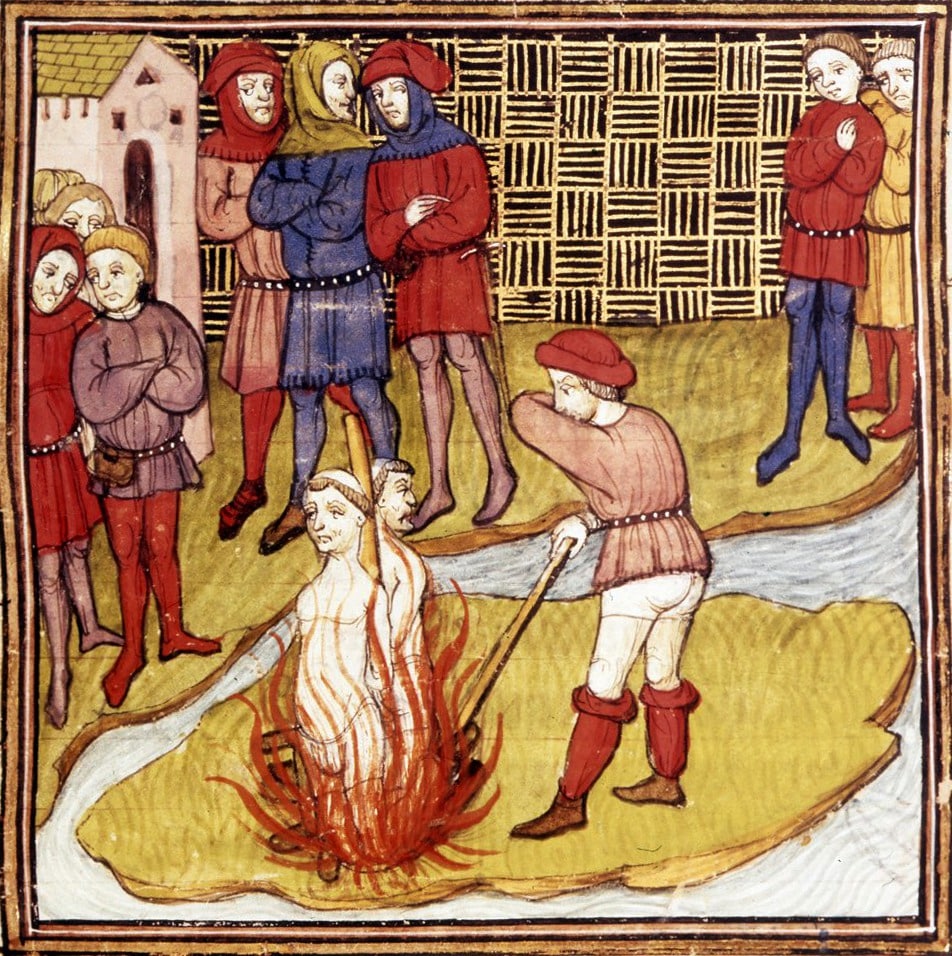
Under torture, many confessed to charges historians now regard as fabricated to justify seizing the order’s vast wealth. The arrests marked the beginning of the end for the Templars, who were suppressed within a few years and their leaders burned at the stake, and contributed to the enduring misfortune of the date of Friday the 13th.

Medieval illustration of the Grand Master of the Templars burning at the stake.

⬅ See all events from 13 October

Spread the word on your favourite platform!
On This Day in True Crime History

Subscribe to Dark Stories

True crime stories, dark history and tour news, straight to your inbox.