1949: Born in Venezuela: the Birth of Carlos the Jackal, the Worlds Most Wanted Terrorist

Ilich Ramirez Sanchez was born in Venezuela on 12 October 1949, the son of a Marxist lawyer who named him after Lenin. Raised between a devoutly Catholic mother and a father devoted to revolutionary politics, he would grow up to become one of the most notorious political terrorists of the twentieth century.

As Carlos the Jackal, he carried out assassinations, bombings and hostage takings across Europe through the 1970s and into the 1980s, including the infamous 1975 raid on the OPEC headquarters in Vienna. For years he evaded capture using a fake Peruvian passport bearing the alias Carlos Andres Martinez Torres, fitted with a deliberately poor photograph he later admitted was a likeness intentionally bad, designed to throw investigators off his trail. That very passport, seized by French police who did not yet know his real identity, is the reason the world came to know him only as Carlos.
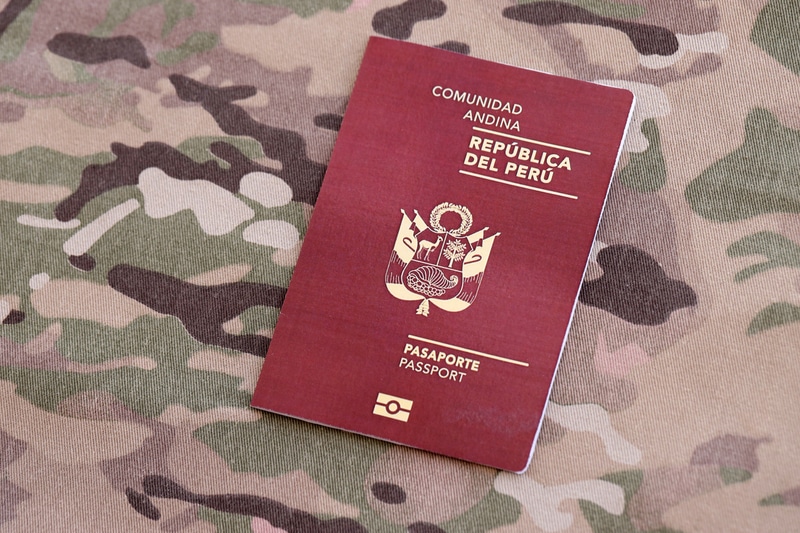

Peruvian passport - real or fake?
Peruvian passport – real or fake?

⬅ See all events from 12 October

Spread the word on your favourite platform!

1984: The Brighton Bomb: the IRA Attempt to Wipe Out Margaret Thatcher and Her Cabinet

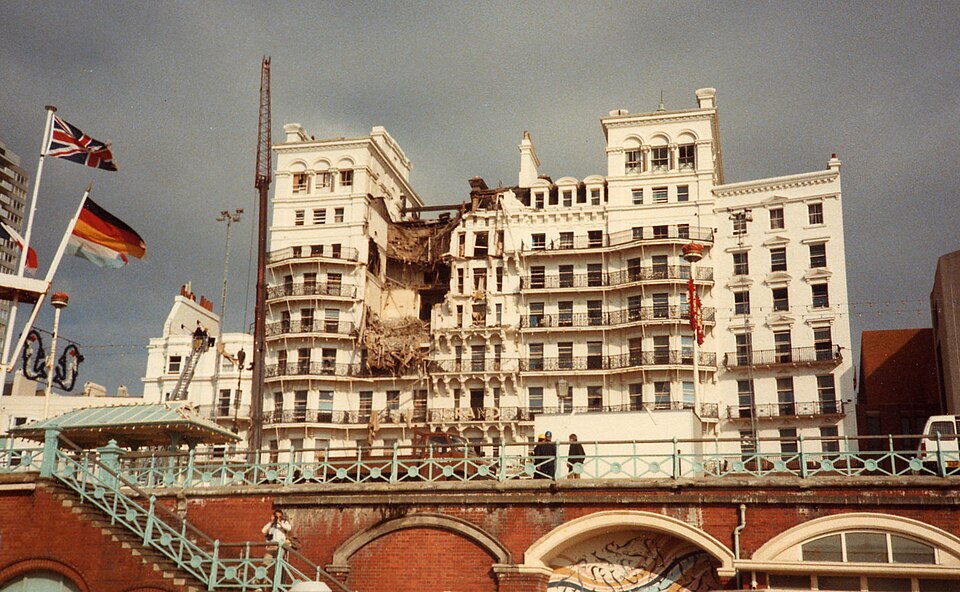
The Grand Hotel in Brighton was packed with Britain’s Conservative leadership for their annual conference when a long-delay bomb, planted by the Provisional IRA weeks earlier in a guest room, tore through the building in the early hours. Margaret Thatcher was still awake working on her conference speech in the room next door and escaped with only cuts, but five people died in the rubble and 31 more were injured, some permanently maimed.

The bomber, Patrick Magee, had checked into the hotel under a false name and set the timer so far in advance that he was long gone before it detonated. The IRA’s chilling statement afterward noted that Thatcher had been lucky that day, but they would only need to be lucky once. Magee was later caught through forensic evidence left on the bomb casing and convicted for the attack.

Grand Hotel, Brighton, after the bombing, 1984. Photo: D4444n / Wikimedia Commons, CC BY-SA 3.0 (creativecommons.org/licenses/by-sa/3.0/).

⬅ See all events from 12 October

Spread the word on your favourite platform!

1789: The Doctor Who Wanted Death to Be Humane: Joseph Guillotin Proposes a Single-Blow Beheading Machine

In Versailles in 1789, a physician named Joseph Guillotin stood before France’s new National Assembly and argued that execution should not be a matter of rank or suffering. He proposed that every condemned prisoner, noble or commoner, die the same way: instantly, by a single blow of a blade, rather than by the axe, the sword, or the rope, methods that often took multiple strokes or slow strangulation to finish the job.

Guillotin framed it as a mercy, a way to strip cruelty and class privilege out of state killing. He did not invent the device that would later carry his name, nor did he ever operate one, but the machine built from his proposal would go on to define the French Revolution’s Reign of Terror, and the word guillotine would forever be linked to the man who only meant to make dying less brutal.

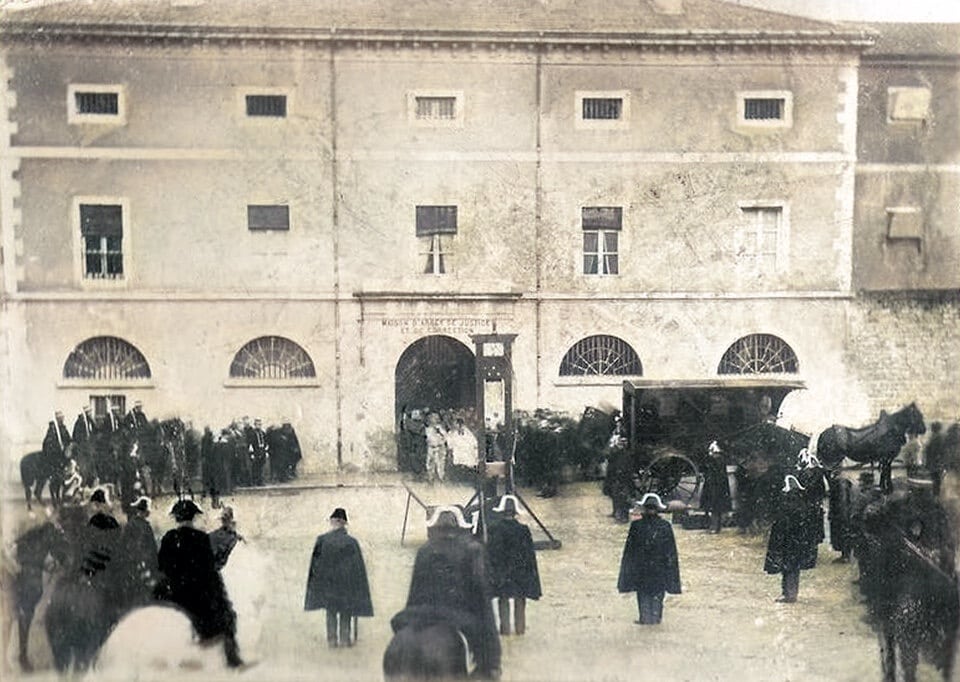
Public guillotine execution scene 1897

⬅ See all events from 10 October

Spread the word on your favourite platform!

1536: The Price of an English Bible: William Tyndale Strangled and Burned for Heresy

William Tyndale committed one crime: he translated the New Testament into English so ordinary readers could understand it for themselves, defying a Church that insisted scripture remain in Latin and under clerical control. Hunted across Europe by agents loyal to Henry VIII’s government, he was finally betrayed and arrested in Antwerp.

Tried for heresy, he was condemned and taken to the fortress town of Vilvorde, where in October 1536 he was strangled at the stake and his body then burned. Within a few years, an English Bible drawing heavily on his translation was being placed in every parish church in the kingdom that had killed him.

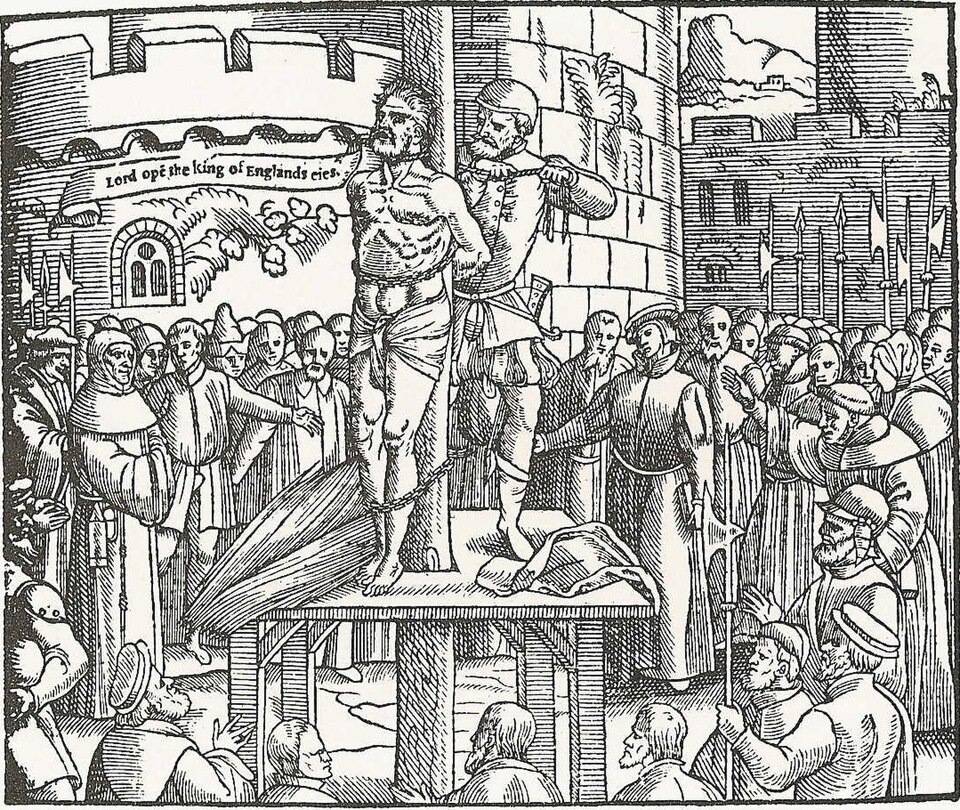
According to tradition, his final words were a prayer rather than a protest: “Lord, open the King of England’s eyes.”

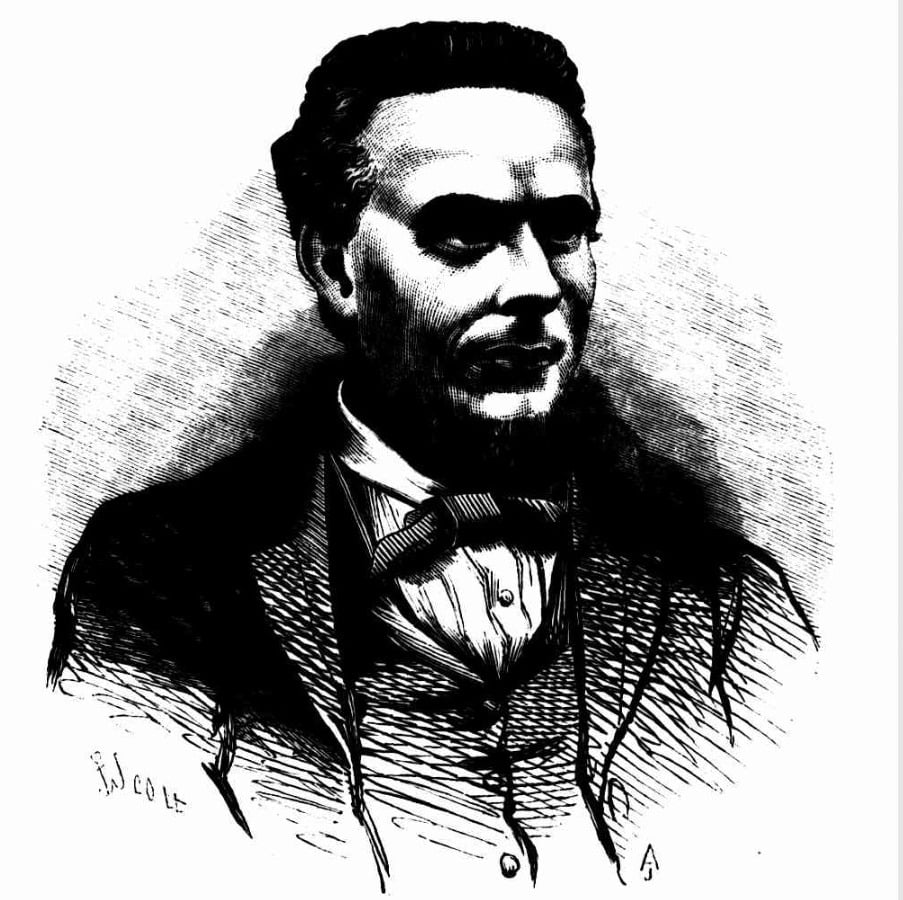
Portrait of William Tyndale from Foxes Book of Martyrs

⬅ See all events from 6 October

Spread the word on your favourite platform!
On This Day in True Crime History

Subscribe to Dark Stories

True crime stories, dark history and tour news, straight to your inbox.