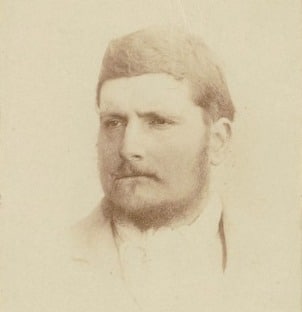
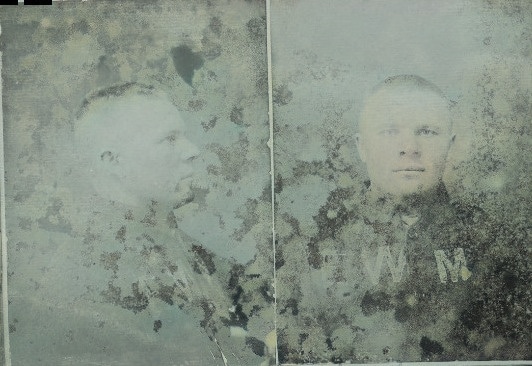
In 1979, Philadelphia police searching Ira Einhorn’s apartment found a locked steamer trunk shoved into a closet; inside were the mummified remains of his former girlfriend, Holly Maddux, missing for more than a year. Einhorn, a charismatic countercultural figure known as the Unicorn Killer, fled the country before trial and spent nearly two decades hiding in Europe before he was finally captured in France.

Extradited to the United States, Einhorn stood trial in 2002 and took the stand in his own defense, insisting CIA agents had killed Maddux and framed him. The jury took just two hours to convict him of first-degree murder, and he was sentenced the following day to life in prison without the possibility of parole.
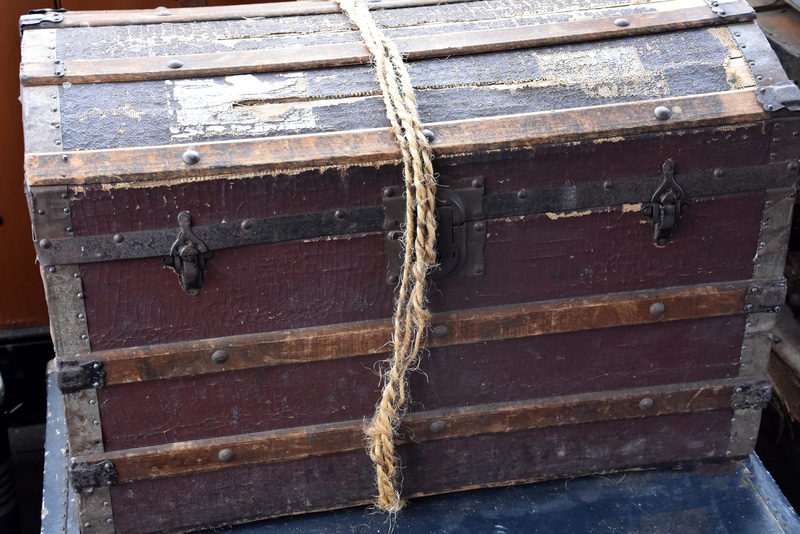

Vintage steamer trunk with secrets locked up tight.

⬅ See all events from 17 October

Spread the word on your favourite platform!

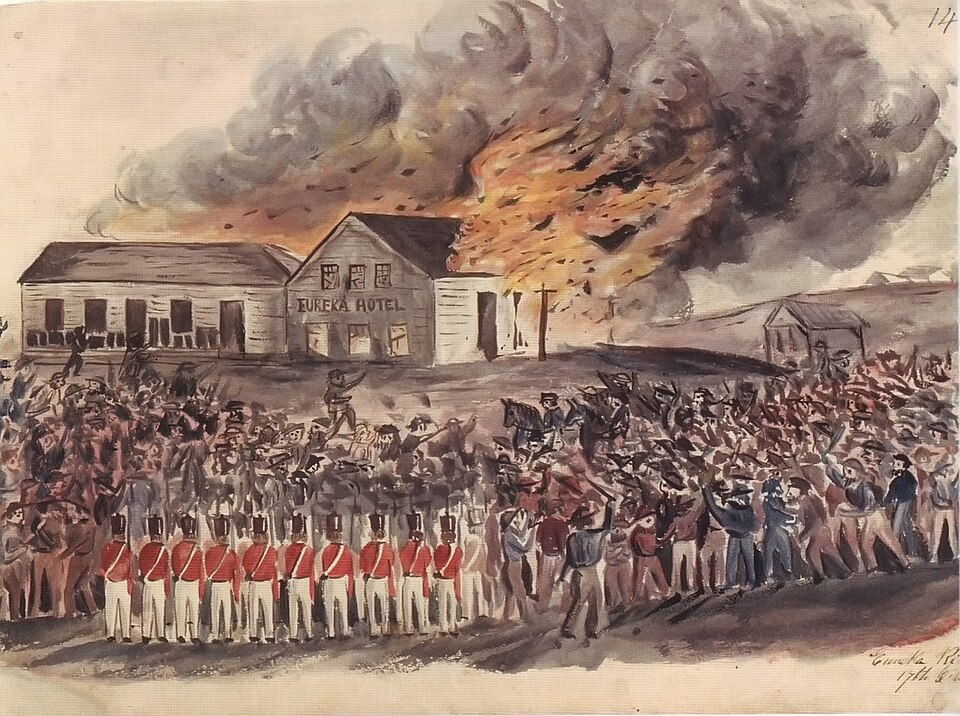
When the men accused of killing miner James Scobie walked free, the goldfields of Ballarat erupted. Roughly ten thousand miners massed near the Eureka Hotel, the pub where Scobie had been beaten to death, convinced the verdict was a stitch-up between the publican and the authorities.

The crowd set the hotel ablaze and turned on the officials sent to calm them: Gold Commissioner Rede was pelted with eggs as police and soldiers failed to restore order. The riot was a direct spark for the unrest that would culminate weeks later in the Eureka Stockade, one of the defining clashes of Australian colonial history.

Burning of Bentleys Hotel during the Eureka Riot 1854

⬅ See all events from 17 October

Spread the word on your favourite platform!

He had survived gang wars, bribery and a carefully built image as a Robin Hood of the Chicago slums, but it was not a murder charge that finally caught Al Capone. Federal prosecutors built a case not on bootlegging or bloodshed but on unpaid taxes, a paper trail he had never bothered to hide.

When the original jury pool was found to have been tampered with, the judge swapped it out entirely on the morning of the trial, stripping away whatever quiet deals Capone’s men had arranged in advance. The replacement jurors heard days of complex financial testimony, then took just nine hours to convict. On 17 October 1931, Capone was sentenced to 11 years in federal prison, the longest tax evasion sentence ever handed down to that point, ending the public myth with a ledger rather than a gun.

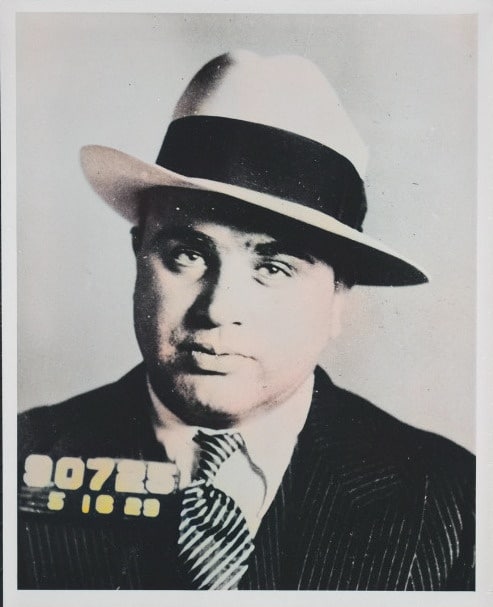
Al Capone, Philadelphia, 16 May 1929. U.S. National Archives, NAID 24520406. Use unrestricted.

⬅ See all events from 17 October

Spread the word on your favourite platform!

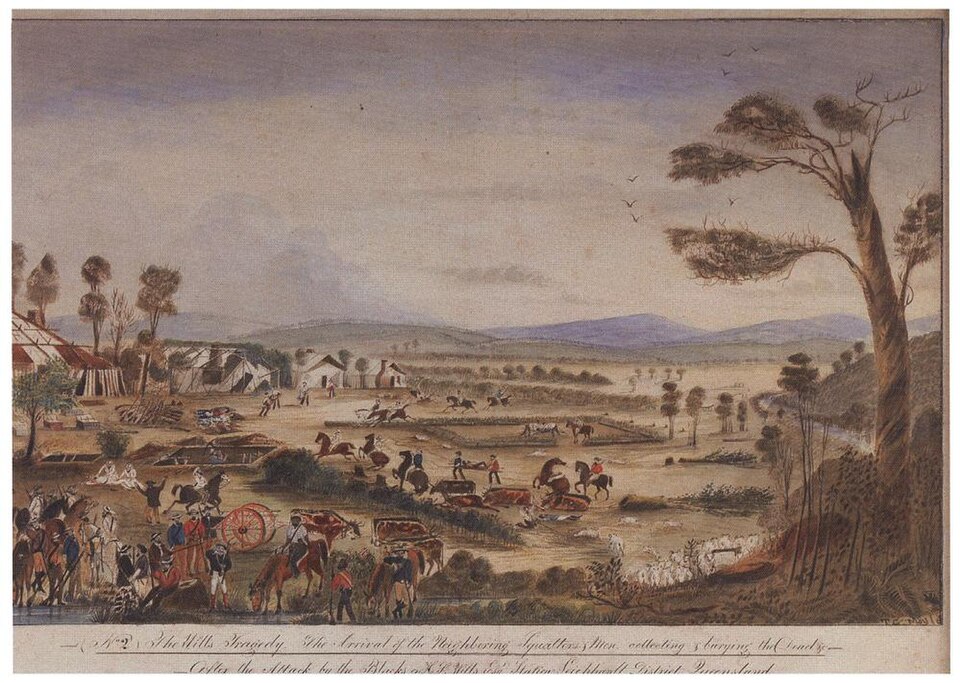
In October 1861 the politician Horatio Wills led an enormous settler train, more than 10,000 sheep and a line of bullock wagons, onto Gayiri land in Central Queensland to establish a cattle station at Cullin-la-ringo, without seeking permission from the people whose country it was. Tensions were already high: a neighbouring squatter had wrongly accused Gayiri men of stealing cattle and had several killed over it.

On 17 October, Aboriginal people who had been passing through the camp all day attacked, killing nineteen of the twenty-five settlers present, including Wills himself. Only a handful escaped, among them his teenage son Tom Wills, later a celebrated cricketer and co-founder of Australian rules football.

The arrival of the neighbouring squatters and Mon collecting and burying the dead. By T.G.Moyle: 1861

⬅ See all events from 17 October

Spread the word on your favourite platform!
On This Day in True Crime History

Subscribe to Dark Stories

True crime stories, dark history and tour news, straight to your inbox.