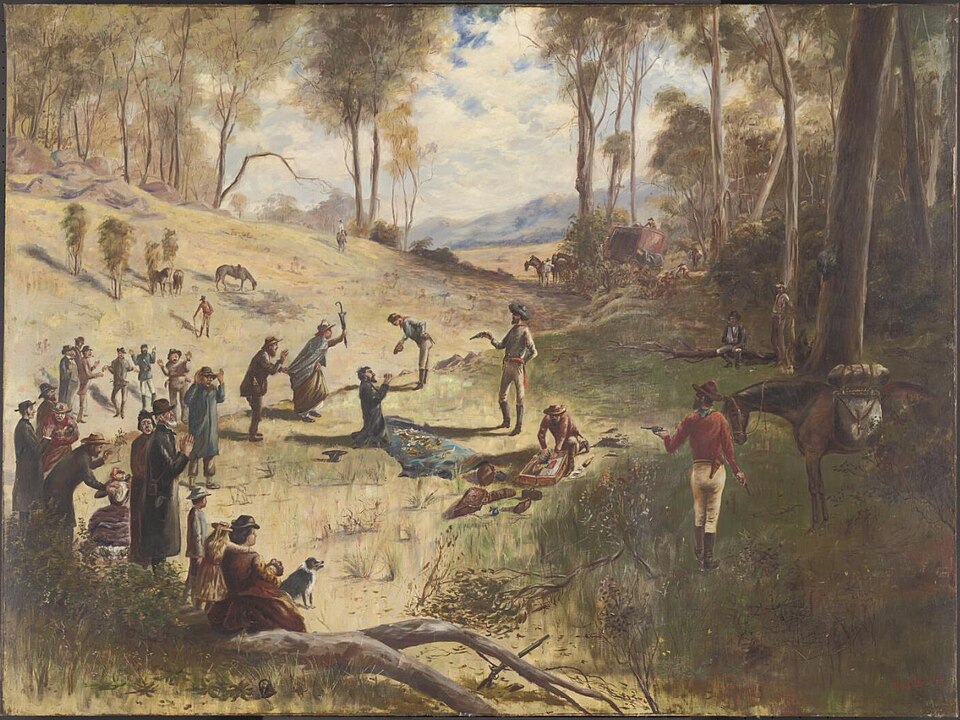
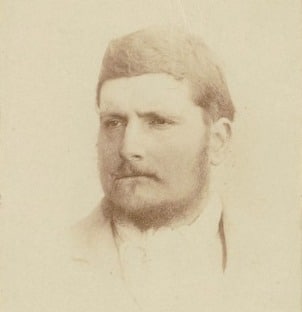
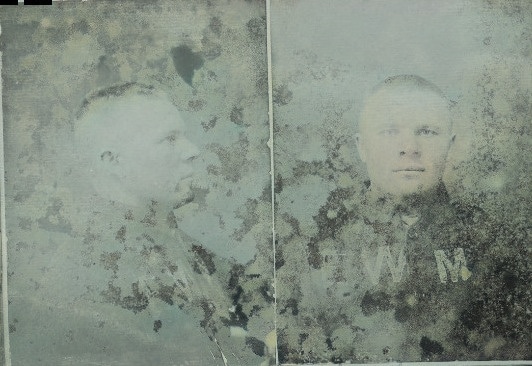
In October 1861 the politician Horatio Wills led an enormous settler train, more than 10,000 sheep and a line of bullock wagons, onto Gayiri land in Central Queensland to establish a cattle station at Cullin-la-ringo, without seeking permission from the people whose country it was. Tensions were already high: a neighbouring squatter had wrongly accused Gayiri men of stealing cattle and had several killed over it.

On 17 October, Aboriginal people who had been passing through the camp all day attacked, killing nineteen of the twenty-five settlers present, including Wills himself. Only a handful escaped, among them his teenage son Tom Wills, later a celebrated cricketer and co-founder of Australian rules football.
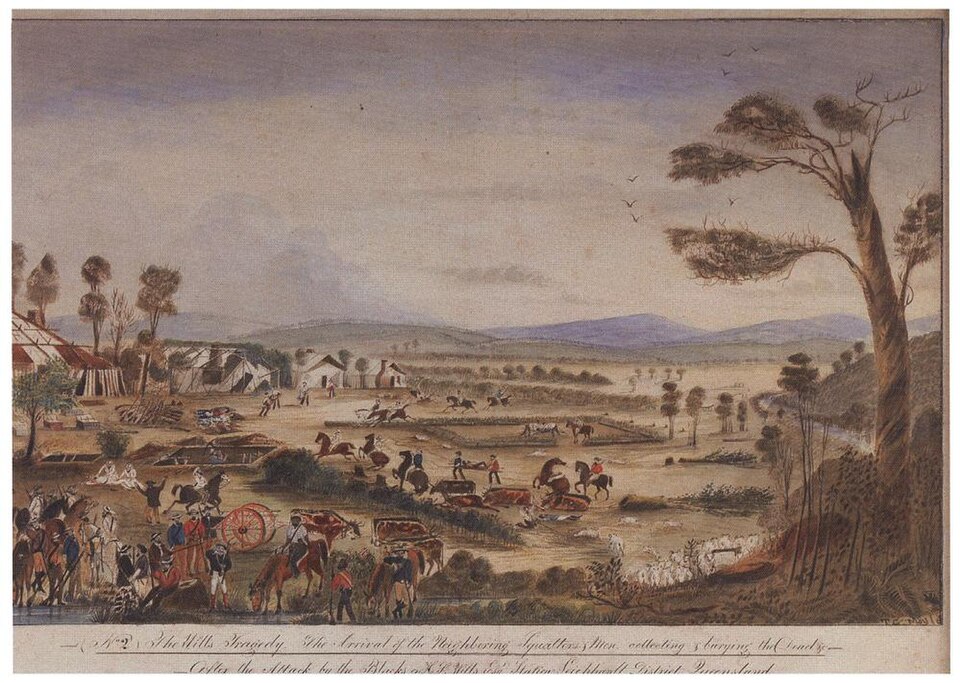

The arrival of the neighbouring squatters and Mon collecting and burying the dead. By T.G.Moyle: 1861

⬅ See all events from 17 October

Spread the word on your favourite platform!

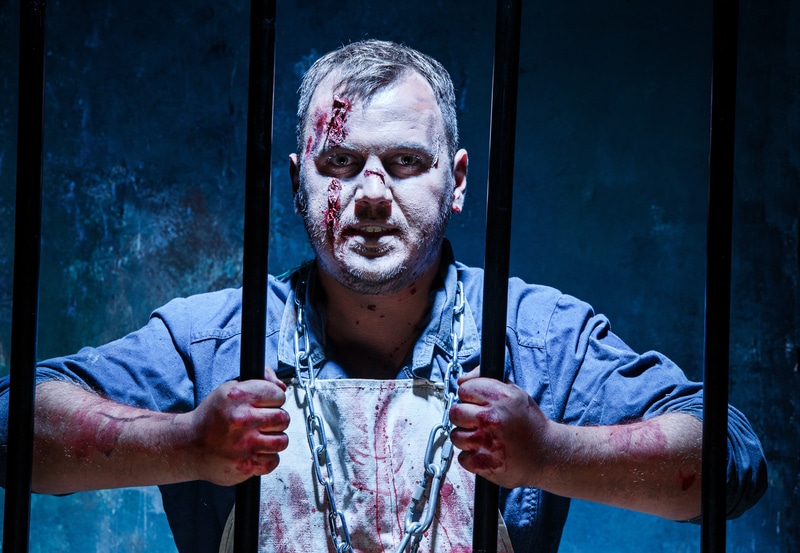
John Hill, a butcher, had spent the day drinking with Simon Burn at Parramatta on 5 October 1794 when he turned on the woman he lived with, beating her until Burn stepped in to stop him. Hill stabbed Burn through the heart; dying within the hour, Burn had just enough strength left to name his killer before witnesses, declaring that the butcher had done it. Burn, a First Fleet convict who had earned his freedom and settled his own farm, was reportedly the first free man in the colony to be murdered by another colonist.

Hill tried to set up an alibi at his trial, but the wound and Burn’s own dying words undid him. He was hanged at Sydney on 16 October 1794, his body handed over for dissection as his sentence required.

Bloody Halloween killer dressed as butcher on dark blue background

⬅ See all events from 16 October

Spread the word on your favourite platform!

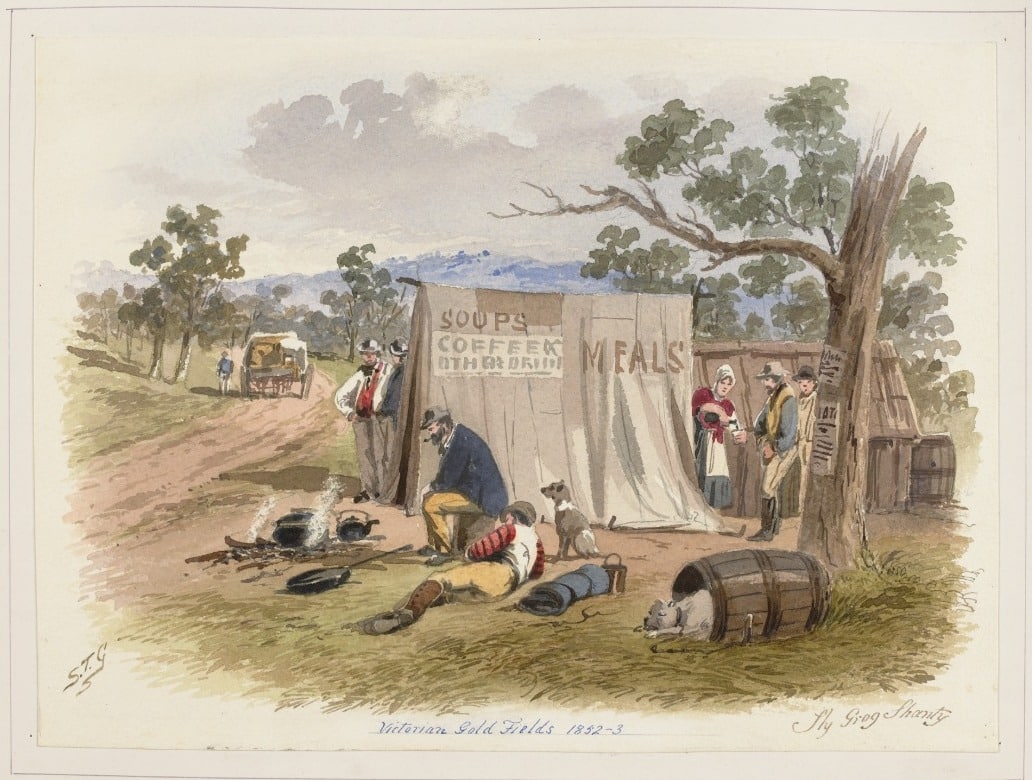
At a settler’s hut near Burwood, outside Sydney, bushranger Thomas Mustin levelled a loaded musket point-blank at a visiting neighbour, and pulled the trigger. It merely flashed in the pan; he drew a pistol, and that misfired too, and in the scuffle that followed Mustin and his companions escaped briefly into the bush.

Mustin, Daniel Watkins and John Brown were convicted over this attack and a string of armed robberies around Burwood and the Liverpool Road, including one household where the terrified wife recognised Brown as a former constable but was too afraid to say so.

On 16 October 1826 the three were marched from Sydney Gaol under military escort. All three acknowledged the justice of their sentence on the scaffold and prayed for mercy, offering no claim of innocence. They hanged together on a temporary gallows at Burwood, and their bodies were left on display throughout the day.

Bushrangers holding up coach passengers illustrated scene

⬅ See all events from 16 October

Spread the word on your favourite platform!

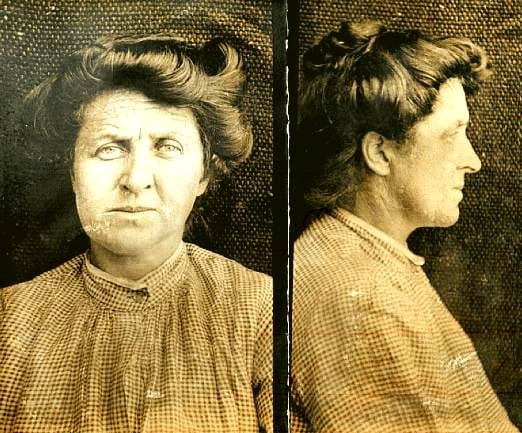
Seven year old Olive Morris died on this day in East Perth, her throat swabbed raw, just as her older sister Annie had died months before. Both times the family doctor, Cuthbert, signed the same death certificate: diphtheria. Both times he was wrong.

What the certificate did not record was hydrochloric acid, swabbed onto the children’s throats by their father’s partner, Martha Rendell, under the guise of treating illness. The pattern would not be noticed for two more years, until a third child in the household died the same way and police finally ordered the earlier graves reopened.

The exhumations in 1909 revealed what two death certificates had missed, and set in motion the case that would end with Rendell on the gallows.

Martha Rendell
Martha Rendell

⬅ See all events from 16 October

Spread the word on your favourite platform!
On This Day in True Crime History

Subscribe to Dark Stories

True crime stories, dark history and tour news, straight to your inbox.