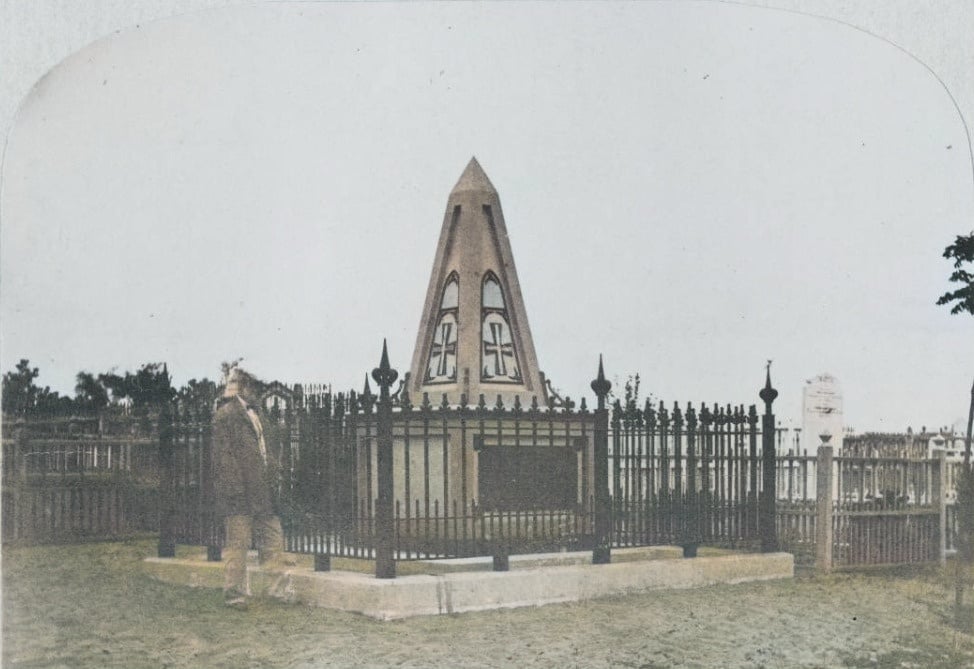
When Governor Phillip and the Reverend Richard Johnson chose a quiet spot on the outskirts of town for a burial ground in September 1792, the first person laid to rest there is believed to have been a convict named Michael Dunn. The site, later known as the Old Sydney Burial Ground or the George Street Burial Ground, now lies beneath Sydney Town Hall.

For 27 years the cemetery operated with almost no formal oversight: it was never gazetted, no trustees were appointed and no burial register or plan was kept. The Reverend William Cowper later admitted that “the dead of all communions were interred indiscriminately”, though social distinctions persisted among the military, with non-commissioned officers of different regiments buried in separate corners of the ground.

Once the cemetery closed in 1820 and burials moved to Brickfield Hill, now the site of Central railway station, the old ground fell into grim disrepair. Headstones were vandalised, pigs, goats and horses wandered among open graves, and grave robbers were blamed for prising up leaden coffins. A committee report even noted men using the abandoned cemetery to relieve themselves, and in hot weather the stench became unbearable.

Despite public opposition to disturbing the dead, the City of Sydney eventually cleared the site to build its Town Hall, ending nearly a century of neglect over the city’s first burial ground.
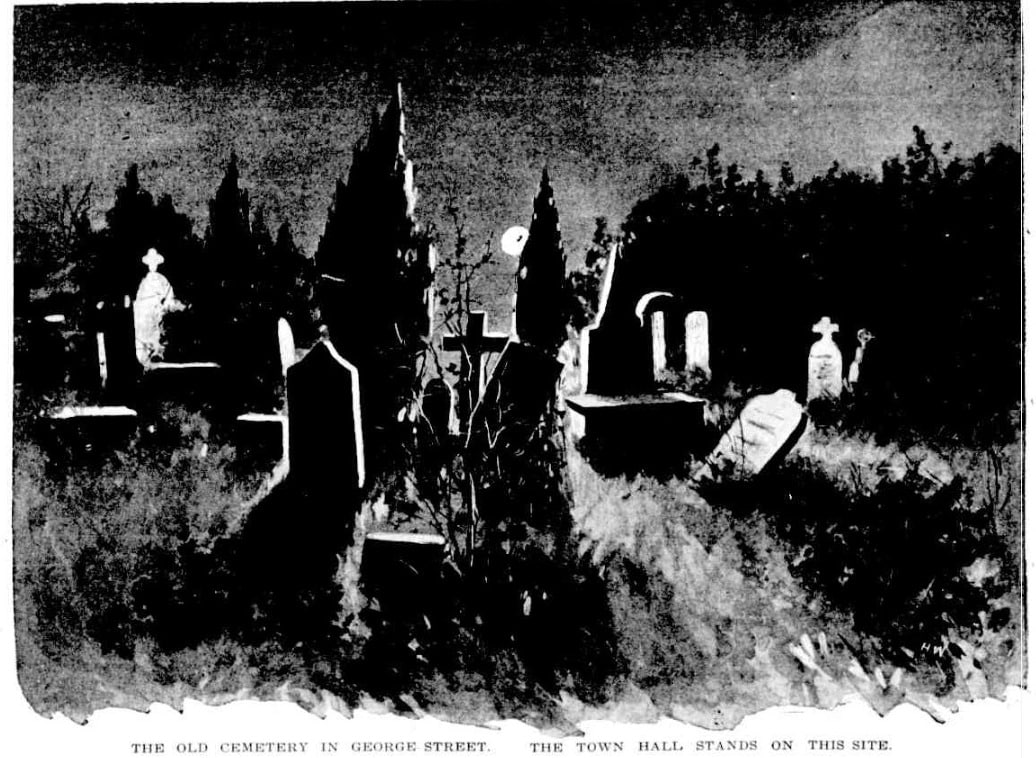

Old Sydney burial ground historic cemetery illustration

⬅ See all events from 8 September

Spread the word on your favourite platform!

Harold Shipman was arrested on 7 September 1998 after police investigated the death of his patient Kathleen Grundy, who had left him £386,000 in a will that turned out to be forged. The clumsy fake unravelled quickly: a Brother typewriter matching the one used to produce the document was found in Shipman’s possession, and Grundy’s own family, alarmed that their mother would never have cut them out, had already raised suspicions with a solicitor.

The arrest opened the door to a far larger inquiry. Detectives uncovered a pattern of lethal diamorphine injections administered to elderly patients under his care, alongside falsified medical records designed to make the deaths look natural.

Shipman was eventually linked to the deaths of at least 215 patients over more than two decades, making him one of the most prolific serial killers in British history.

Last will and testament typed on aged paper with vintage typewriter

⬅ See all events from 7 September

Spread the word on your favourite platform!

The last known thylacine, a carnivorous marsupial, died in captivity at Hobart Zoo in Tasmania. The animal is believed to have perished from neglect, left exposed to extreme temperatures after keepers failed to provide adequate shelter.

Thylacines once ranged across mainland Australia and New Guinea before vanishing there thousands of years earlier, surviving only in Tasmania. Relentless hunting, driven by bounties paid to farmers who blamed the species for livestock losses, combined with the introduction of invasive predators, drove the population to collapse. Benjamin’s death marked the extinction of the species, a loss that went largely unnoticed at the time and was only recognised in hindsight as the end of a unique Australian predator.

Thylacine mother with joey in pouch in Australian outback

⬅ See all events from 7 September

Spread the word on your favourite platform!

On September 7, 1876, the Jesse James-Younger Gang rode into Northfield, Minnesota, intending to rob the First National Bank. Inside, cashier Joseph Lee Heywood refused to open the safe even as a revolver was pressed to his head and he was pistol-whipped; he was shot dead at his desk for his defiance, having falsely claimed the safe was on a time lock.

Outside, armed townspeople grabbed rifles and shotguns and opened fire from doorways and windows along the main street. Two of the raiders, Clell Miller and William Stiles, were killed in the street, and several others were wounded before the surviving gang members fled empty-handed.

A massive manhunt followed through the Minnesota countryside. Jesse and Frank James eventually broke away and escaped, but Cole, Jim and Bob Younger were tracked down two weeks later, badly wounded, and captured. The disastrous raid effectively destroyed the gang as a fighting unit and ended its run of successful robberies.

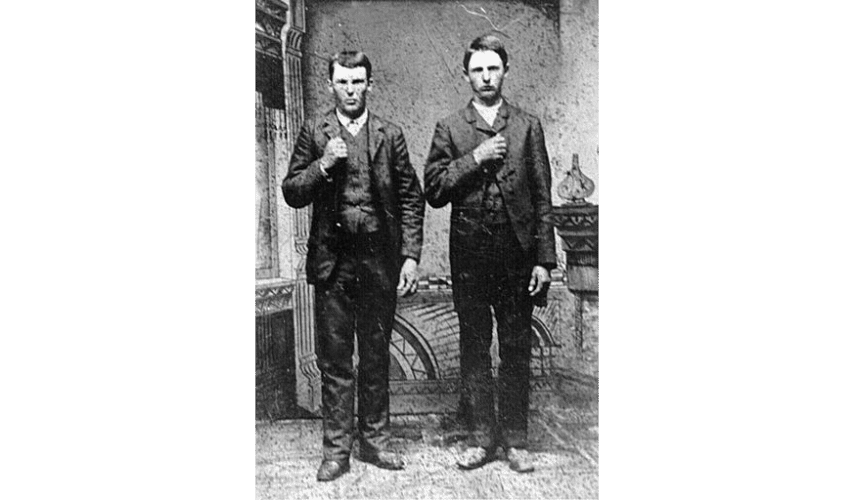
Jesse and Frank James

⬅ See all events from 7 September

Spread the word on your favourite platform!
On This Day in True Crime History

Subscribe to Dark Stories

True crime stories, dark history and tour news, straight to your inbox.