1957: The Real-Life Horror Behind Psycho: Ed Gein Arrested After a House Built From Human Remains

Bernice Worden, who ran the hardware store in Plainfield, Wisconsin, vanished from behind her own counter on the morning of 16 November 1957, the till left open and blood pooled on the floor. Her last customer the evening before had been a quiet local farmhand named Ed Gein, due back that morning for a gallon of antifreeze. Police arrested him that night, and in a shed on his property found Worden's decapitated body strung upside down by the ankles, gutted like a deer carcass.

What they found inside his farmhouse was worse. Chairs upholstered in human skin, bowls carved from skulls, masks peeled from women's faces, and a crudely stitched bodysuit Gein had made so he could, in his words, become his dead mother. He confessed to decades of nighttime grave robbing and to shooting tavern owner Mary Hogan three years earlier, her skull found wrapped in his house alongside Worden's.

Declared unfit for trial, Gein spent over a decade in a mental hospital before finally facing court in 1968. He was found guilty of Worden's murder but legally insane, and was committed for the rest of his life.

At trial Gein insisted the killing was an accident, claiming the rifle discharged while he examined it in the store and that he had no memory of the moments after.

Gein's crimes, and the farmhouse full of human remains, became the direct inspiration for Robert Bloch's 1959 novel Psycho and Alfred Hitchcock's 1960 film of the same name, turning a quiet Wisconsin farmhand into the template for Norman Bates and a generation of fictional killers that followed.
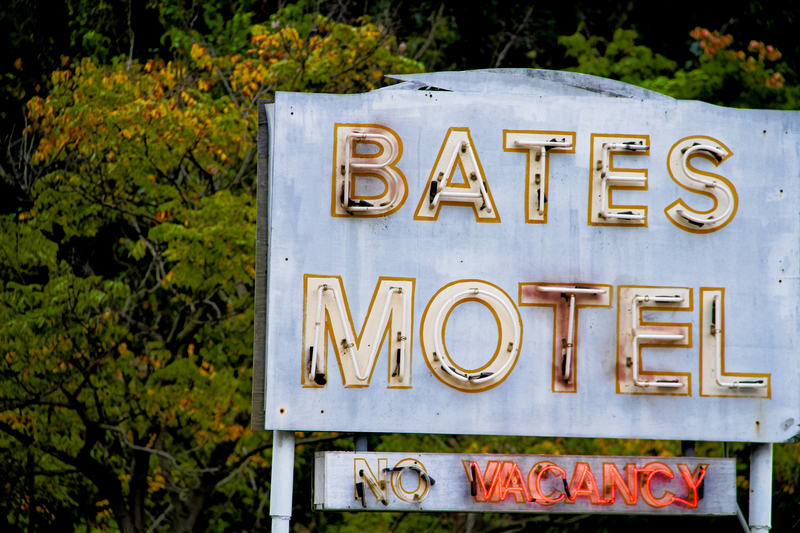

LOS ANGELES,CALIFORNIA,USA - Universal studios Hollywood - Bates Motel Sign from famous Hitchcock movie `PSYCHO` | ID 82085786 © Usataro | Dreamstime.com
ID 82085786 © Usataro | Dreamstime.com

⬅ See all events from 16 November

Spread the word on your favourite platform!

1792: Sydney's First Grave: The Convict Buried Beneath What Is Now the Town Hall

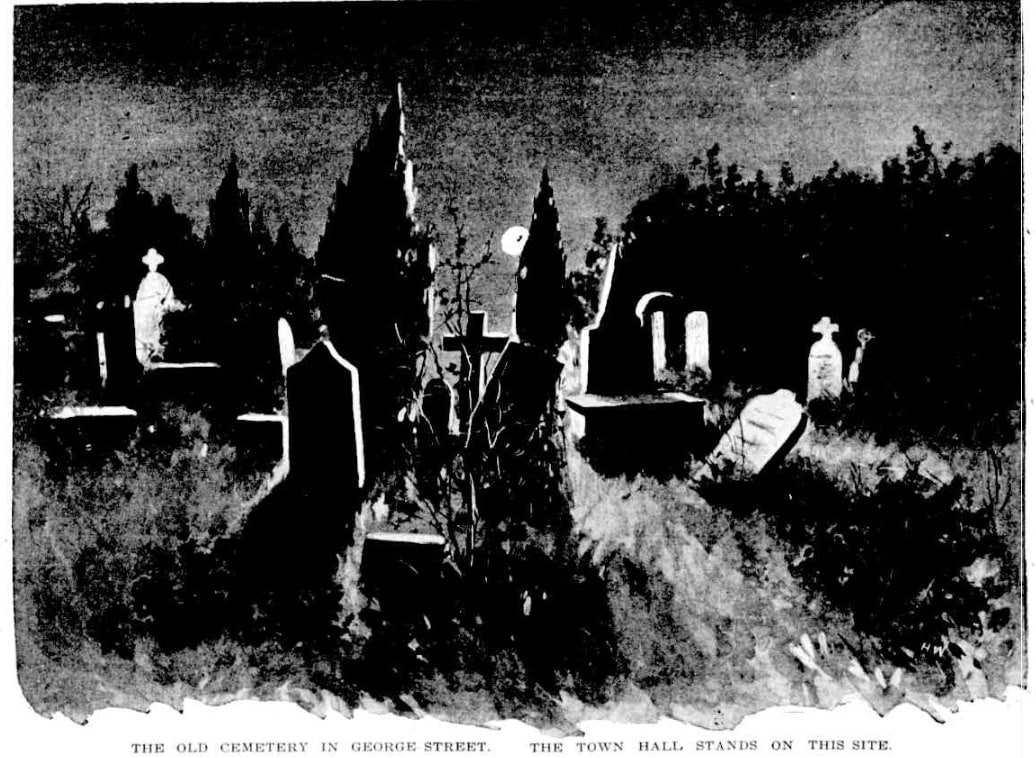
When Governor Phillip and the Reverend Richard Johnson chose a quiet spot on the outskirts of town for a burial ground in September 1792, the first person laid to rest there is believed to have been a convict named Michael Dunn. The site, later known as the Old Sydney Burial Ground or the George Street Burial Ground, now lies beneath Sydney Town Hall.

For 27 years the cemetery operated with almost no formal oversight: it was never gazetted, no trustees were appointed and no burial register or plan was kept. The Reverend William Cowper later admitted that "the dead of all communions were interred indiscriminately", though social distinctions persisted among the military, with non-commissioned officers of different regiments buried in separate corners of the ground.

Once the cemetery closed in 1820 and burials moved to Brickfield Hill, now the site of Central railway station, the old ground fell into grim disrepair. Headstones were vandalised, pigs, goats and horses wandered among open graves, and grave robbers were blamed for prising up leaden coffins. A committee report even noted men using the abandoned cemetery to relieve themselves, and in hot weather the stench became unbearable.

Despite public opposition to disturbing the dead, the City of Sydney eventually cleared the site to build its Town Hall, ending nearly a century of neglect over the city's first burial ground.

Old Sydney burial ground historic cemetery illustration

⬅ See all events from 8 September

Spread the word on your favourite platform!
On This Day in True Crime History

Subscribe to Dark Stories

True crime stories, dark history and tour news, straight to your inbox.