President Woodrow Wilson vetoed it, warning that banning alcohol while rationing wartime grain made no sense now the war was over. Congress disagreed, and on this day in 1919 the Senate and House of Representatives overrode his veto, pushing the Volstead Act into law and setting a date to enforce the newly ratified Eighteenth Amendment.

The Act gave Prohibition its teeth: it defined any drink over 0.5 percent alcohol as illegal and handed federal agents the power to raid, seize and prosecute. Within months, that vacuum would be filled not by sobriety but by bootleggers, speakeasies and the organised crime syndicates who built fortunes smuggling what the law had just made forbidden.
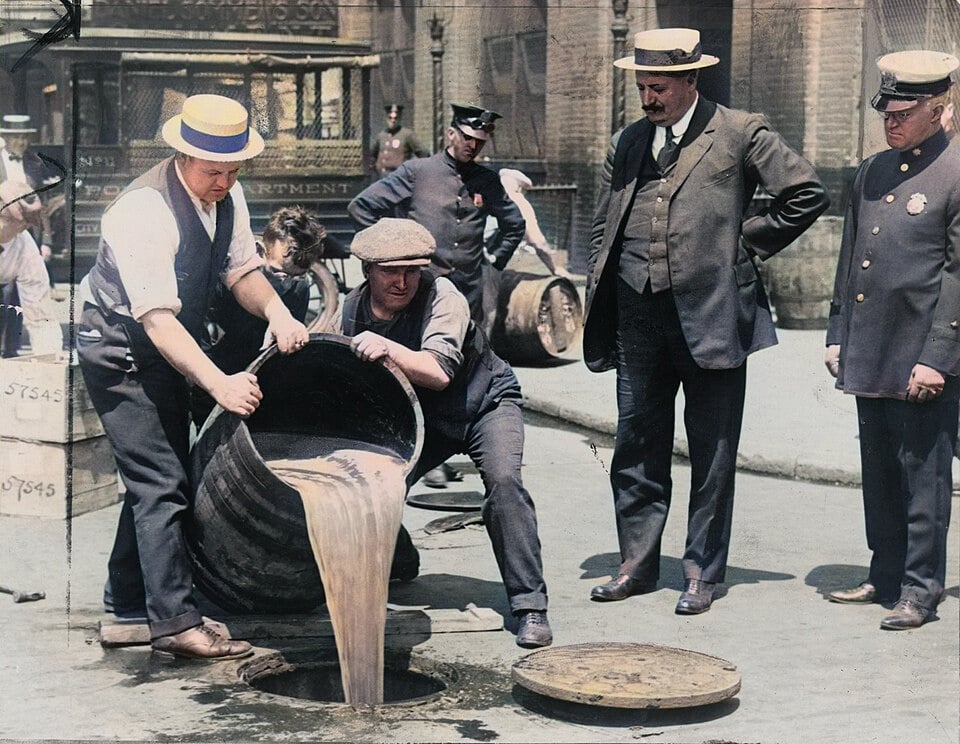

New York City Deputy Police Commissioner overseeing the disposal of confiscated liquor during Prohibition, c. 1921. Source: Library of Congress.

⬅ See all events from 28 October

Spread the word on your favourite platform!

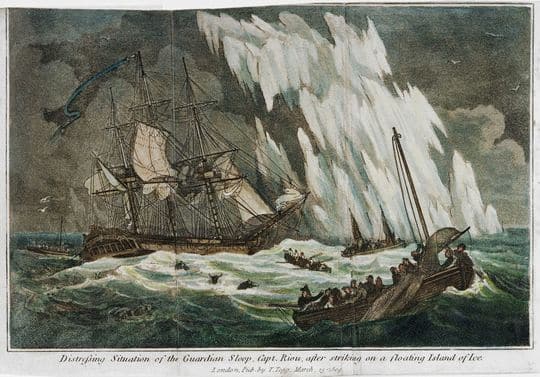
William Harris had only just walked free from a Birmingham gaol, a three month sentence for robbing an outhouse behind him, when he broke into another house in the same street that same night. Caught in the act, he was convicted of burglary and condemned to death, later reprieved to transportation for life. He survived the notorious Second Fleet voyage aboard the Neptune, one of the deadliest convict crossings in Australia’s history, in which scores of prisoners perished before the ship ever reached Sydney.

In the young colony, Harris fell in with fellow convict Edward Wildblood, and the pair spent weeks pilfering from other convicts’ huts before fleeing into the bush. Recaptured and chained together on bread and water, they escaped again within weeks and broke into a hut, beating a sick settler and stealing beef, flour, a frock and a book. Tried for the break-in, the two men were hanged together on this day in 1790, among the first executions carried out in the young colony, with settlers gathered to watch them die from a tree.

In an extraordinary coincidence, Harris and Wildblood were both recorded as having been born on 1 January 1764. Their lives would ultimately end together, on the same day and at the same gallows, aged just 26.

Second Fleet aka The Death Fleet in distress

⬅ See all events from 28 October

Spread the word on your favourite platform!

Jeremy Bamber told police his father had rung him at 3:30am to say his sister, Sheila Caffell, had gone berserk with his rifle, and when officers reached the family’s Georgian farmhouse in Essex that August morning in 1985, Sheila lay dead with the gun against her throat, having apparently shot her parents and her young twin sons before turning it on herself.

Detectives were sceptical that a woman recovering from schizophrenia could have fired the fatal shots twice into her own throat, and it was Bamber’s girlfriend who broke the case, telling police he had confessed the killings to her. A silencer later found hidden in a farmhouse cupboard proved decisive: it showed the rifle had been too long for Sheila’s reach when the shots were fired. Bamber was convicted on this day in 1986 and sentenced to life imprisonment, later made a whole life term with no possibility of parole.

He has always maintained his innocence, and decades on, still pursues appeals to have his conviction overturned.

Victorian Georgian farm house

⬅ See all events from 28 October

Spread the word on your favourite platform!

Henry Sherry had formed an attachment to Catherine Waldock, the wife of a neighbouring farmer near the Williams, and proposed they elope together; when she refused, he borrowed a gun and strychnine from a neighbour under the pretence of shooting a hawk. On 16 September 1885 he intercepted her and her two young sons as they walked home from an opossum hunt, led her a short distance away, raised the gun and said “Here goes” before shooting her dead in front of the boys.

The horror deepened once he was found the next morning. Sherry told a neighbour it had all been agreed between them, a pact in which he would kill Catherine and then himself. He claimed to have already swallowed the strychnine and tried to drown himself in a nearby pool, but both attempts failed, “I floated on the top like a corpse.” Resigned to his fate, he said plainly, “I am not going to build up any false hopes; I expect the rope for it.”

Tried and convicted of murder, he was hanged in Perth on this day in 1885. Witnesses described him walking to the scaffold erect and composed, showing almost no sign of fear as the trapdoor fell.

In a letter written to his wife before his death, Sherry acknowledged the “great sin” he had committed and admitted the justice of his sentence.

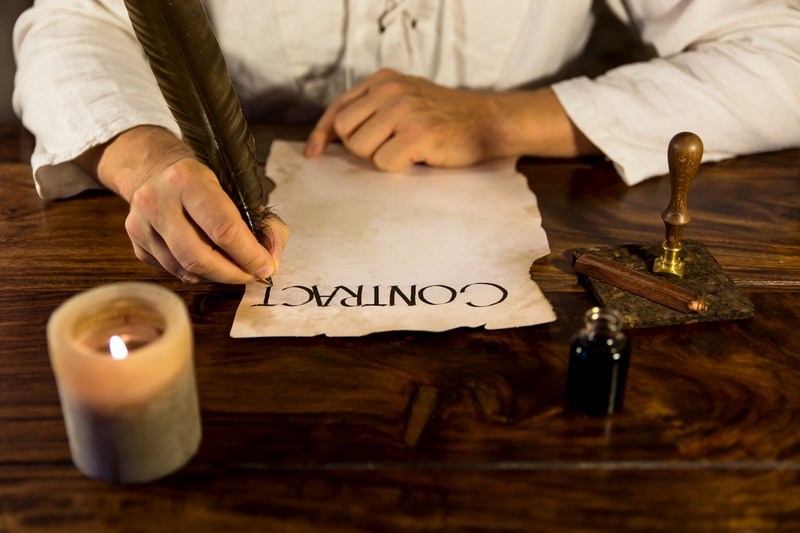
Signing a one sided death pact

⬅ See all events from 27 October

Spread the word on your favourite platform!
On This Day in True Crime History
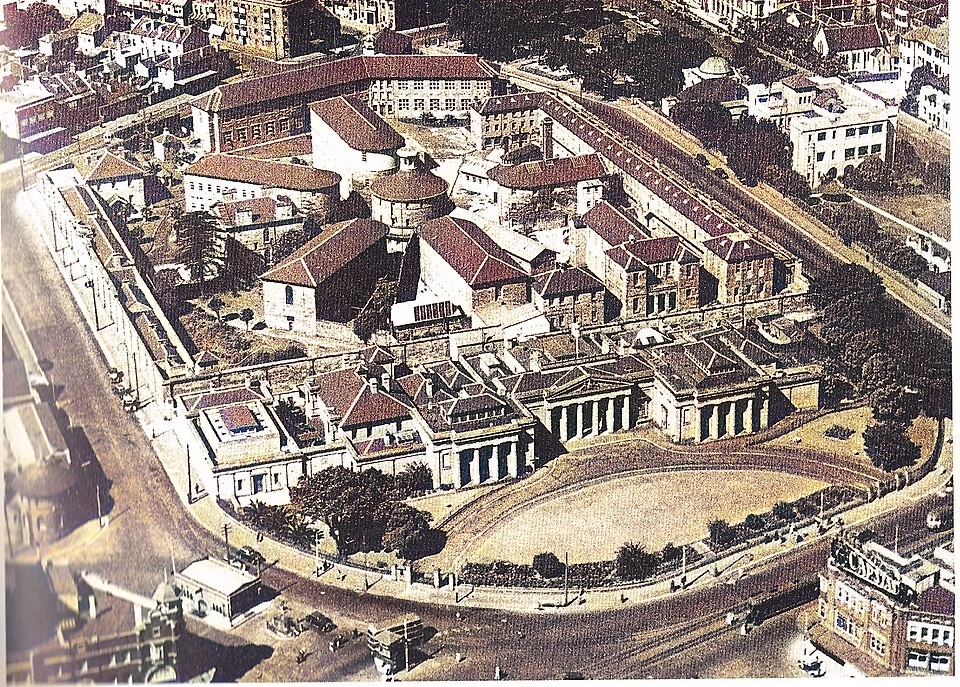
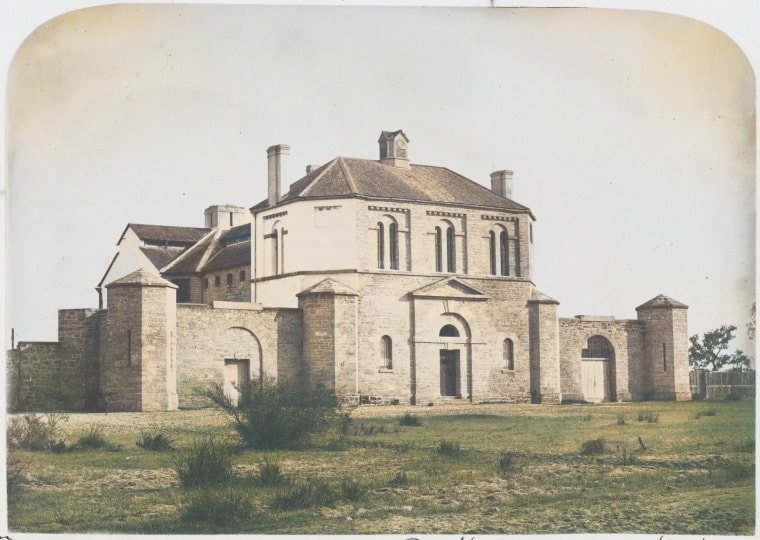
1841·First Blood on the Gallows: Two Men Hanged at the New Darlinghurst Gaol
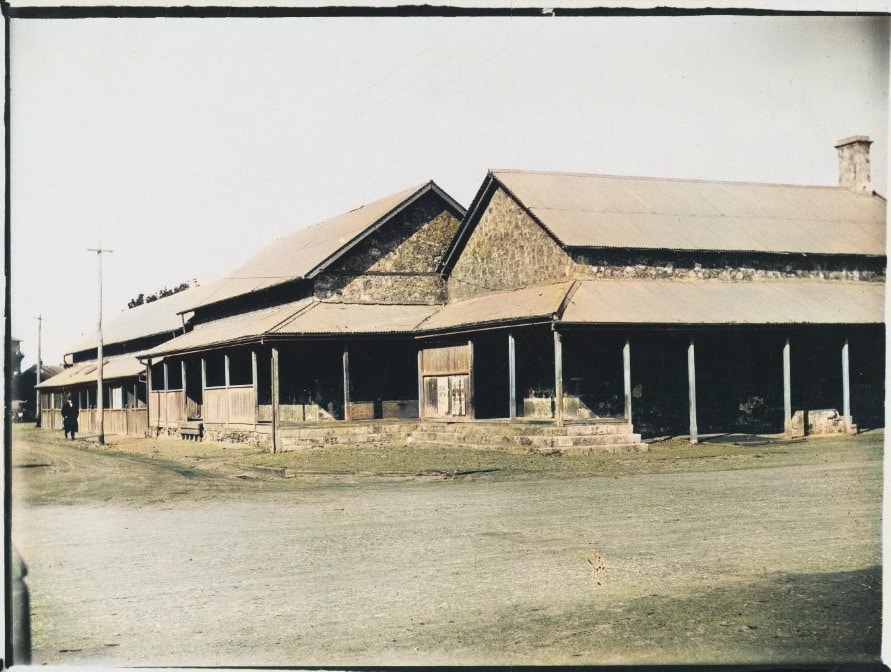
1857·Newly Freed, Then Shot by His Employer: A Convict Hanged in Perth for Attempted Murder
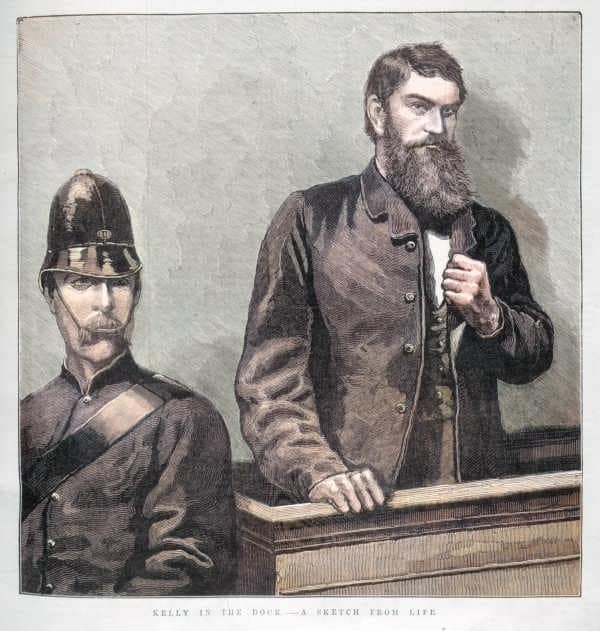
1880·Ned Kelly Sentenced to Hang in Melbourne
1907·He Knew Where She Kept Her Money, But Killed Her Instead: Hanged in Sydney for the Murder of a Widow
1927·Squizzy Taylor Buried in Melbourne as a Morbid Crowd Forces Police to Intervene
More Crime On This Day →

Subscribe to Dark Stories

True crime stories, dark history and tour news, straight to your inbox.