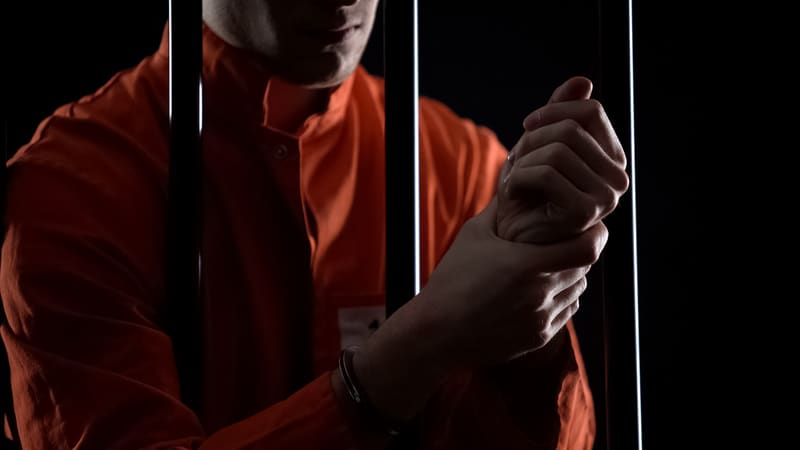
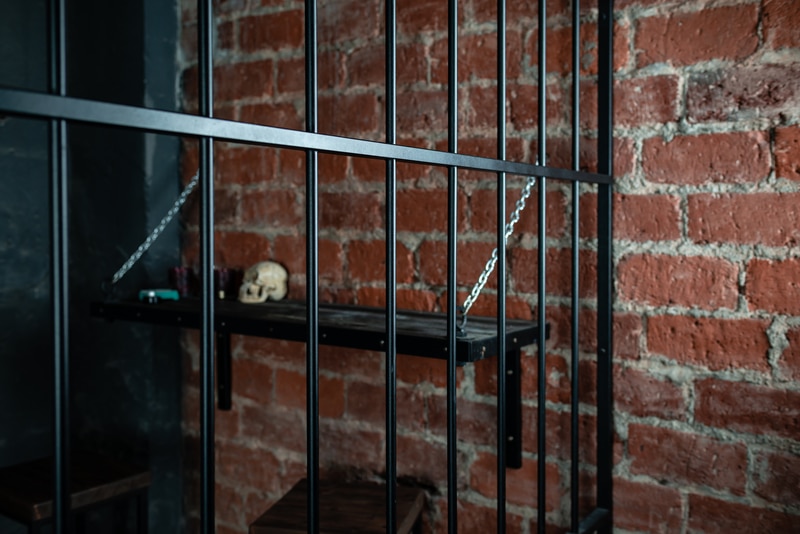
John Wayne Glover, 72, was found hanging from a shower rail in his cell at Lithgow prison in New South Wales. He had been serving life without parole for the murder of six elderly women on Sydney‘s North Shore between 1989 and 1990. The mayor of Mosman described his death as the end of a terrible era.

No evidence has ever surfaced that Glover killed before 1989, when he was 56 and had already been married for 20 years with children; his wife had no idea of the violence in his past. He only admitted to the murders once confronted with the police evidence against him.

Glover denied responsibility for other crimes in which he was a prime suspect. Years after his conviction, he admitted he never worried about who his victims were or why he killed them; he said he wanted to stop but could not, and simply returned to his normal life after each murder.

Prison Cell
Prison Cell

⬅ See all events from 9 September

Spread the word on your favourite platform!

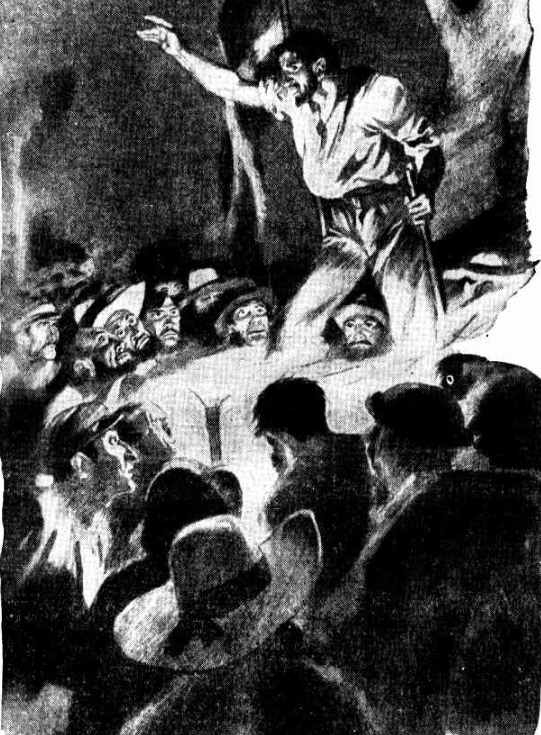
On September 9, 1971, inmates at Attica Correctional Facility in New York seized control of the prison, taking dozens of guards and staff hostage in protest over brutal conditions, overcrowding, and demands for basic political and civil rights. For four days the prisoners held the yard, negotiating with officials and issuing a list of demands broadcast to the watching public.

On September 13, on the order of Governor Nelson Rockefeller, state troopers and police stormed the facility, opening fire on inmates and hostages alike. By the time the smoke cleared, 39 people were dead, including ten hostages, most killed not by prisoners but by the retaking force’s own gunfire.

The riot remains one of the deadliest prison uprisings in American history and exposed the brutal conditions inside Attica, triggering decades of lawsuits, investigations, and a landmark settlement for survivors and victims’ families.

Prison Inmate
Prison Inmate

⬅ See all events from 9 September

Spread the word on your favourite platform!

On the morning of 10 July 1904, Mrs Veitch, wife of baker A. C. T. Veitch, was found dead in the passage of the family’s bakery on O’Grady Street, Clifton Hill, a suburb of Melbourne. She still clutched a buggy whip in her hand, and a deep gash on one hand suggested she had fought desperately for her life. Whoever attacked her had locked the back doors, the front gate and the shop door beforehand, and had even tried to silence the family’s terrier tied up in the yard, evidence of careful planning rather than a chance intrusion.

The body was discovered by James Coleman Augustus Williams, an employee of the bakery who had been out on his delivery round. He raised the alarm after a boy came to buy bread and got no answer. Williams was soon charged with the murder, and at trial evidence pointed to a robbery gone wrong at the nearby office, though nothing suggested any personal grievance against the victim.

Williams was hanged at Melbourne Gaol on 8 September 1904.

The night before his execution, Williams wrote out a formal confession, insisting the killing was not for gain or lust but committed “in a fit of passion”, and that Mrs Veitch “was always kind and good to me”. He asked that the public not judge his family for what he had done and thanked the gaol’s governor and chaplains for their kindness to him in his final days.

Vintage bakery storefront on a sunny day

⬅ See all events from 8 September

Spread the word on your favourite platform!

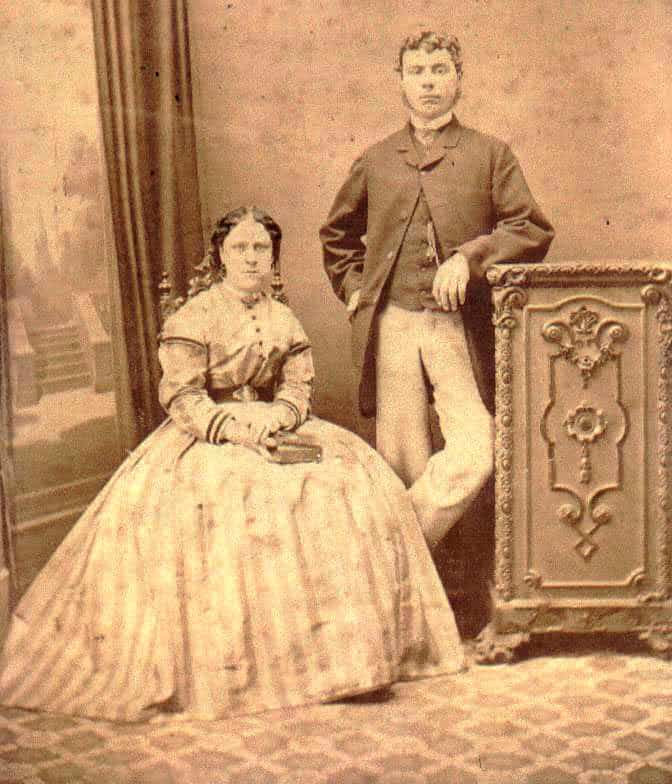
Annie Chapman was a heavy drinker who had turned to prostitution in London’s Whitechapel after her marriage collapsed and her daughter died, using the earnings to pay for drink and a bed for the night. On the night of her death she had no money for lodgings and went out to earn her rent; her body was found in the early hours in a backyard, her throat cut and her abdomen slashed open.

The killer had arranged her intestines over her shoulder and removed her uterus, taking it with him. An autopsy determined she had been sober at the time of her death, ruling out the drunkenness that had shaped so much of her life.

Her murder, following that of Mary Ann Nichols just over a week earlier, confirmed for police that a single killer, soon dubbed Jack the Ripper, was stalking the women of Whitechapel.

Portrait of Annie Chapman with her husband in 1869

⬅ See all events from 8 September

Spread the word on your favourite platform!
On This Day in True Crime History

Subscribe to Dark Stories

True crime stories, dark history and tour news, straight to your inbox.