Archives: Dark Stories: On This Day In True Crime History - Page 32
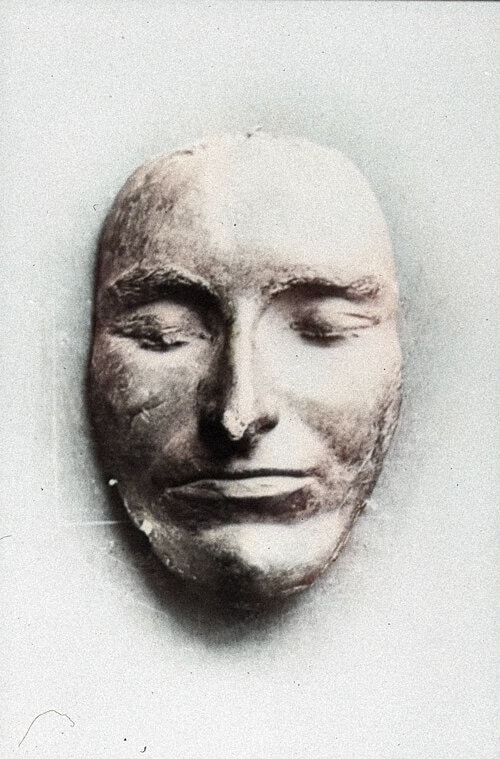
William Westwood was already notorious as Jackey Jackey, a bushranger transported twice and flogged repeatedly, when he helped lead the 1846 Cooking Pot Uprising on Norfolk Island, a desperate convict revolt sparked by brutal rations and treatment. In the chaos, three constables and an overseer were killed.
He was 26 when he was hanged on 13 October 1846, one of the largest mass executions in Australian penal history.
Death mask of William Westwood known as Jackey Jackey
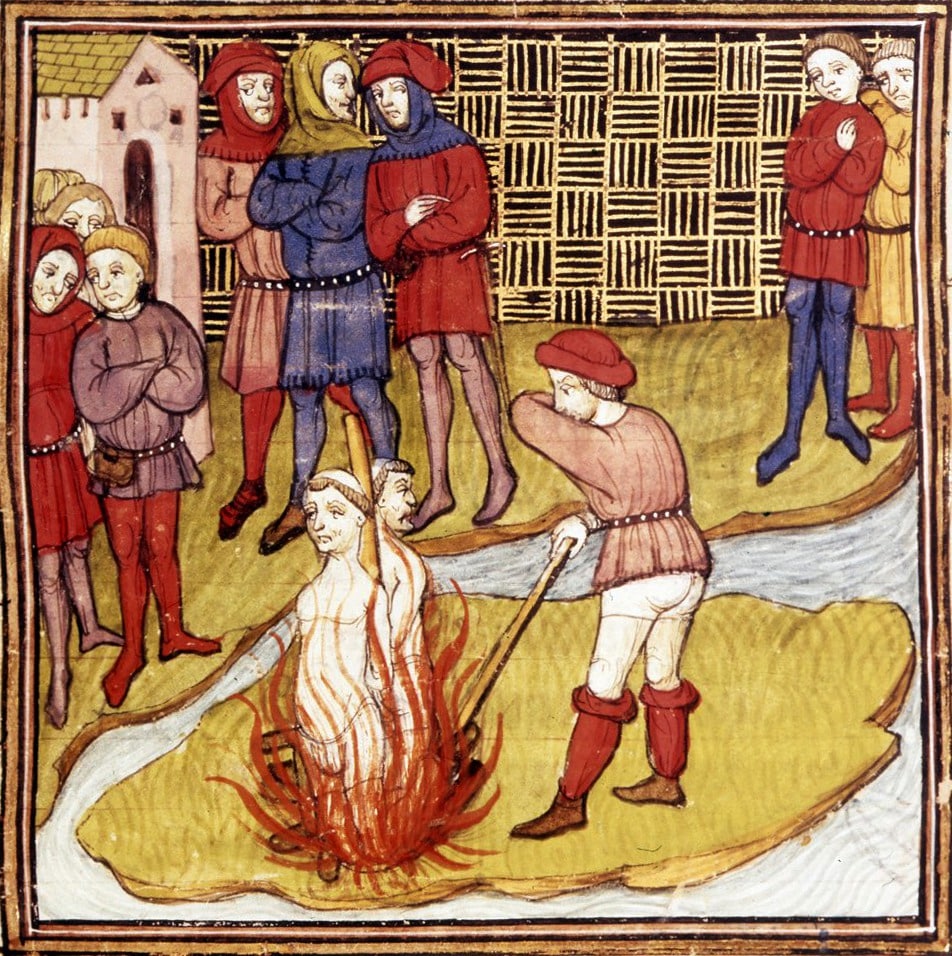
Before dawn on Friday 13 October 1307, royal officers across France moved on hundreds of Knights Templar at once, arresting the warrior monks in their own preceptories under sealed orders opened simultaneously nationwide. King Philip the Fair, deeply in debt to the order he had once sworn to protect, accused its knights of heresy and secret blasphemous rites.
Under torture, many confessed to charges historians now regard as fabricated to justify seizing the order’s vast wealth. The arrests marked the beginning of the end for the Templars, who were suppressed within a few years and their leaders burned at the stake, and contributed to the enduring misfortune of the date of Friday the 13th.
Medieval illustration of the Grand Master of the Templars burning at the stake.
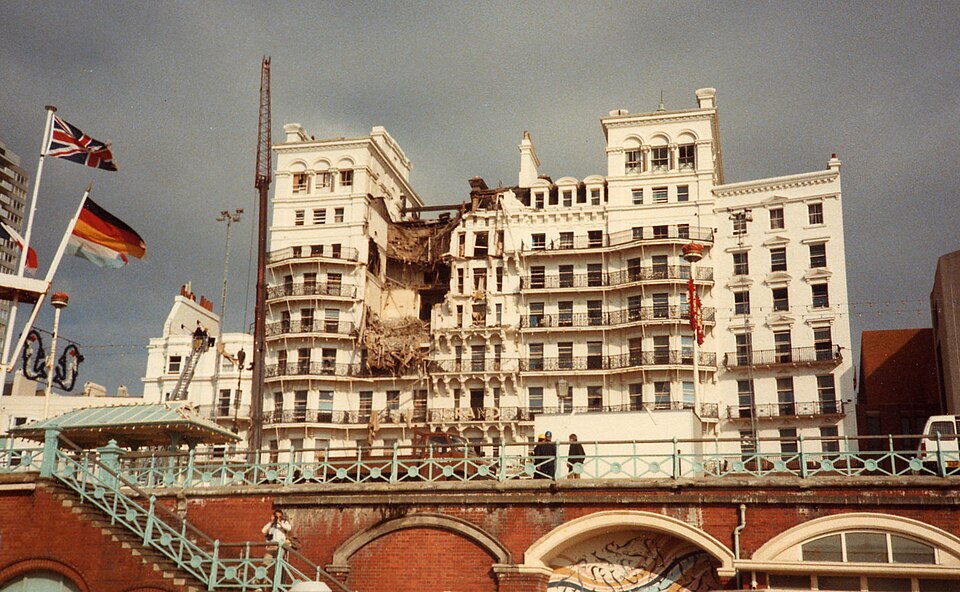
The Grand Hotel in Brighton was packed with Britain’s Conservative leadership for their annual conference when a long-delay bomb, planted by the Provisional IRA weeks earlier in a guest room, tore through the building in the early hours. Margaret Thatcher was still awake working on her conference speech in the room next door and escaped with only cuts, but five people died in the rubble and 31 more were injured, some permanently maimed.
The bomber, Patrick Magee, had checked into the hotel under a false name and set the timer so far in advance that he was long gone before it detonated. The IRA’s chilling statement afterward noted that Thatcher had been lucky that day, but they would only need to be lucky once. Magee was later caught through forensic evidence left on the bomb casing and convicted for the attack.
Grand Hotel, Brighton, after the bombing, 1984. Photo: D4444n / Wikimedia Commons, CC BY-SA 3.0 (creativecommons.org/licenses/by-sa/3.0/).
In the early hours of 12 October 1988, two young constables, Steven Tynan, 22, and Damian Eyre, 20, stopped to check an abandoned car on Walsh Street in South Yarra, Melbourne. Within minutes both were dead, gunned down in what police believed was a professional ambush by an armed robbery gang taking revenge for a suspect shot dead by detectives hours earlier.
Four men, among them Victor Peirce, stood trial in 1991 after one of the largest investigations Victoria Police had ever run. All were acquitted, and the case has never been officially solved.
In 2005, Peirce’s own wife Wendy, who had once given him a false alibi and was later convicted of perjury for it, broke her silence and told the press that her husband had planned and carried out the killings himself.
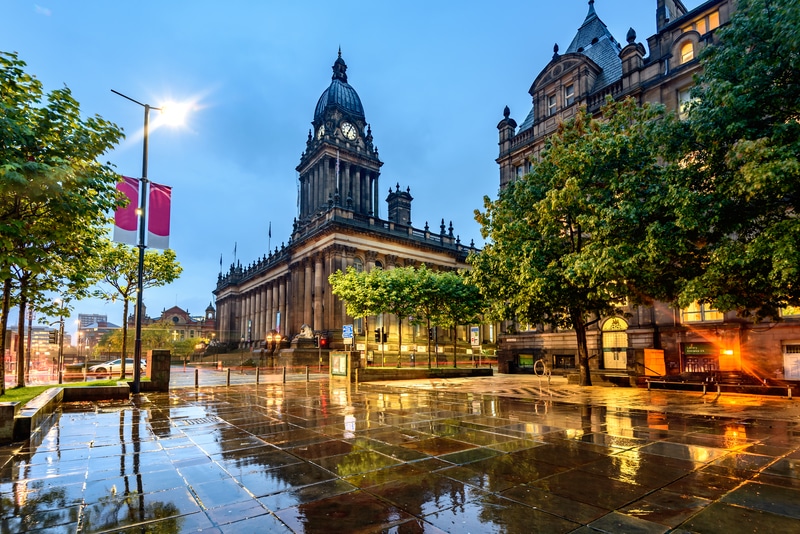
Melbourne laneway after rain with wet paving and blurred lights