Ramon Novarro had been one of Hollywood’s biggest stars of the silent era, hailed as the screen’s first Latin American leading man after his role in Ben-Hur made him a household name. By 1968 his career had faded, but two brothers, Paul and Tom Ferguson, had heard a rumour that he kept a fortune hidden somewhere in his Laurel Canyon home. The younger of the two got Novarro’s phone number from a former guest, called offering sexual services, and the pair talked their way inside.

When Novarro could not produce the money, because none existed, the brothers beat him for hours trying to force him to reveal where it was hidden. He died on 30 October 1968, choking on his own blood after the prolonged assault; the men left with just $20 taken from his bathrobe pocket. Both were convicted and served only a few years before being paroled in the mid-1970s.

Paul Ferguson denied responsibility for decades, but in a 1998 interview he finally admitted to killing Novarro.
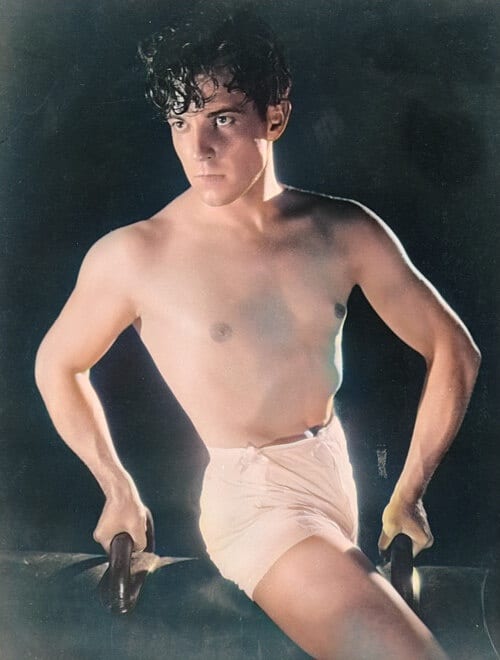

Portrait of Ramon Novarro in 1925

⬅ See all events from 30 October

Spread the word on your favourite platform!

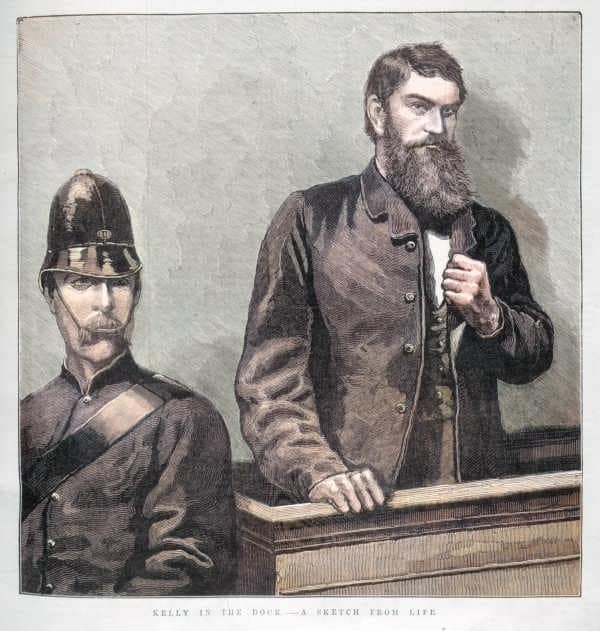
Ned Kelly, the leader of the Kelly Gang, had spent years outrunning the law across the Victorian bush, his armour and audacity turning him into both outlaw and folk hero. That ended after the siege at Glenrowan, where he was captured wounded and alone while the rest of his gang died in the shootout or the fire that followed.

He was tried in Melbourne for the murder of a police constable, and on this day in 1880 he was sentenced to death. Within weeks the man who had defied colonial police for years would be hanged, his legend only growing in the telling long after the rope did its work.

Ned Kelly in the dock courtroom illustration: colorised.

⬅ See all events from 29 October

Spread the word on your favourite platform!

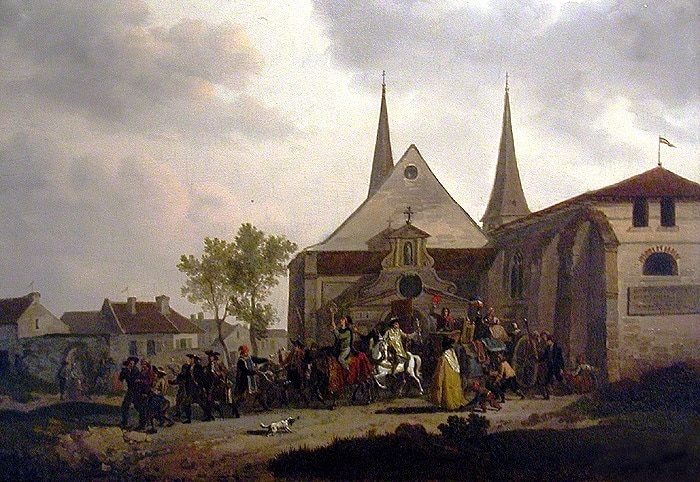
Sir Walter Raleigh had already cheated the executioner once. Convicted of treason within months of Queen Elizabeth’s death, after rivals whispered that he had opposed the accession of King James, he was spared at the last moment and spent thirteen years locked in the Tower of London instead.

Released in 1616 to hunt for gold in Guiana, Raleigh promised the voyage would bring no trouble with Spain. It did: his men attacked a Spanish outpost against direct orders, the expedition found no gold, and Raleigh came home to a king eager to please Madrid and an old death sentence still on the books. It was carried out in London on 29 October 1618.

On the scaffold he asked to examine the axe himself, running a thumb along the blade before remarking, “This is a sharp medicine, but it is a physician that will cure all diseases.”

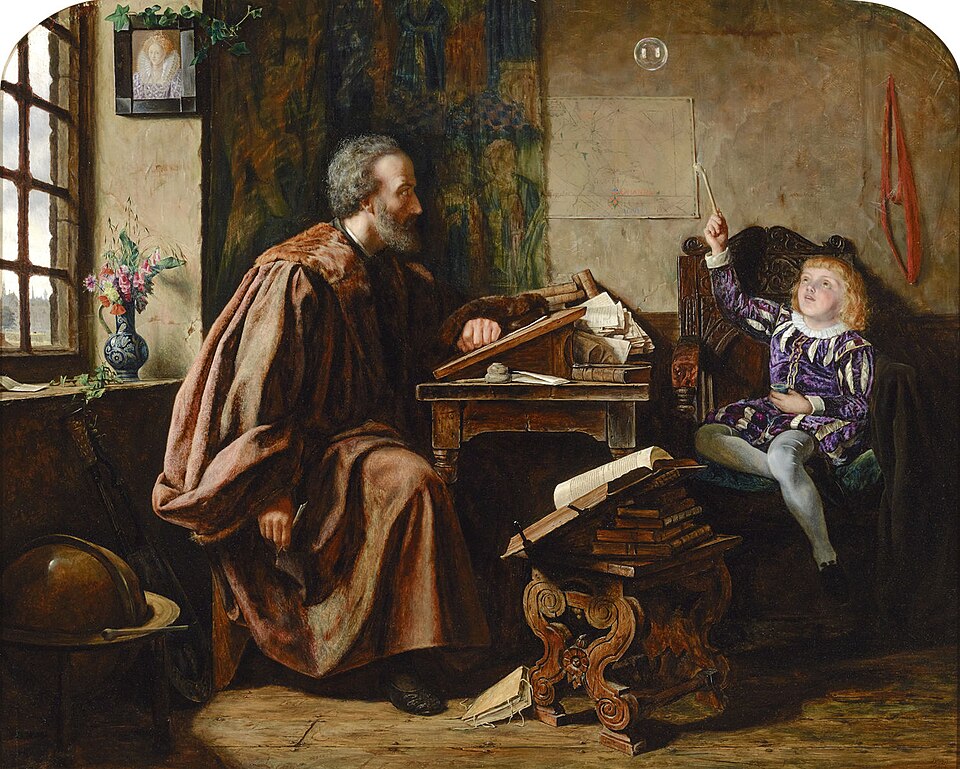
Sir Walter Raleigh imprisoned in the Tower of London by Henry Wallis

⬅ See all events from 29 October

Spread the word on your favourite platform!

John Lloyd, a ticket-of-leave convict working near Geraldton, shot his own labourer John Brown with intent to kill at Port Gregory in June 1857. Brown was himself a former convict, but only months earlier he had been granted a conditional pardon for manslaughter, finally free after years under sentence, before his own employer put a bullet in him.

Lloyd was tried and convicted that October, and hanged at Perth Gaol on this day in 1857. It was not his first brush with the gallows’ shadow: a decade earlier he had been transported for life from Wales for highway robbery, and had already served years in the colony before the shooting that finally ended his.

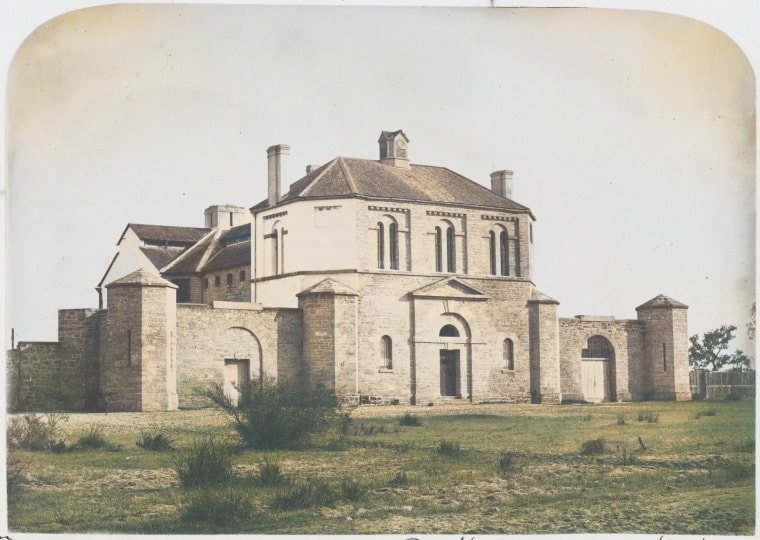
Old Perth Gaol circa 1862

⬅ See all events from 29 October

Spread the word on your favourite platform!
On This Day in True Crime History

Subscribe to Dark Stories

True crime stories, dark history and tour news, straight to your inbox.